
 中文简体
中文简体 русский
 Français
 Español
 Português
 Deutsch
 عربى
عربى italiano
 Türk
Türk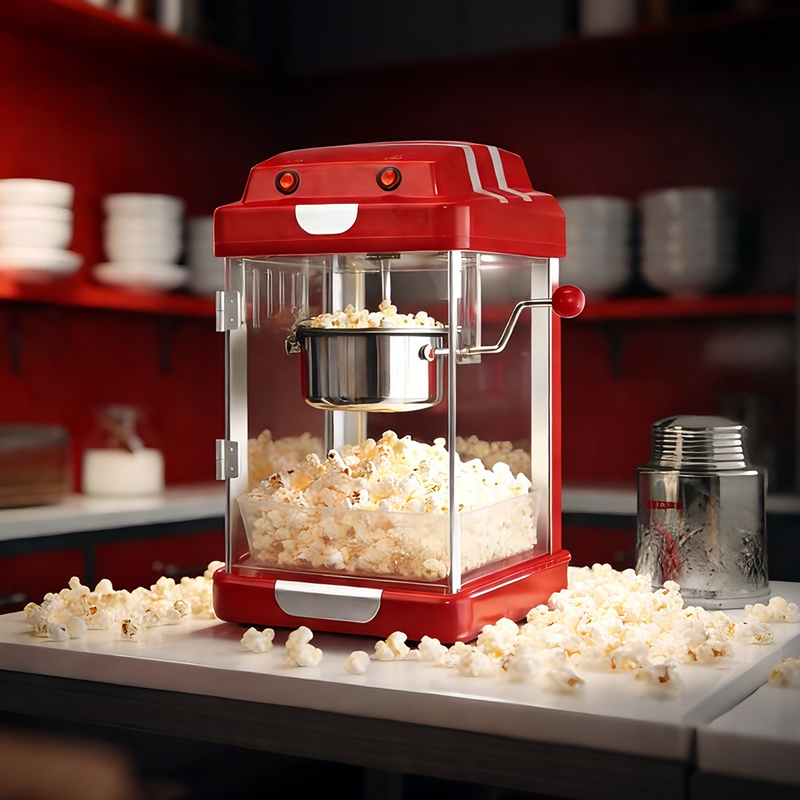
 Popcorn Maker
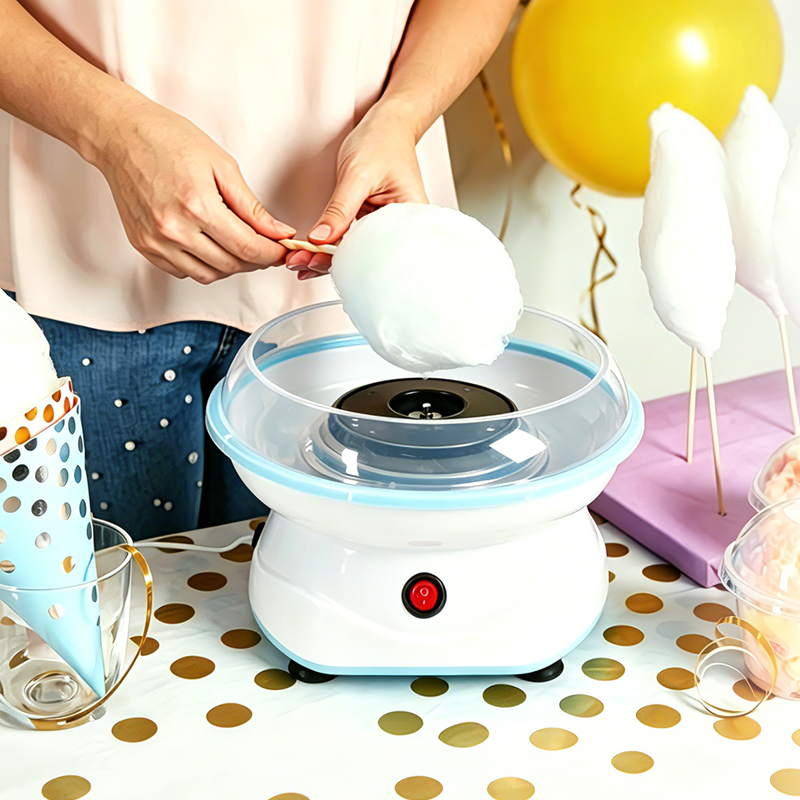
 Cotton Candy Maker
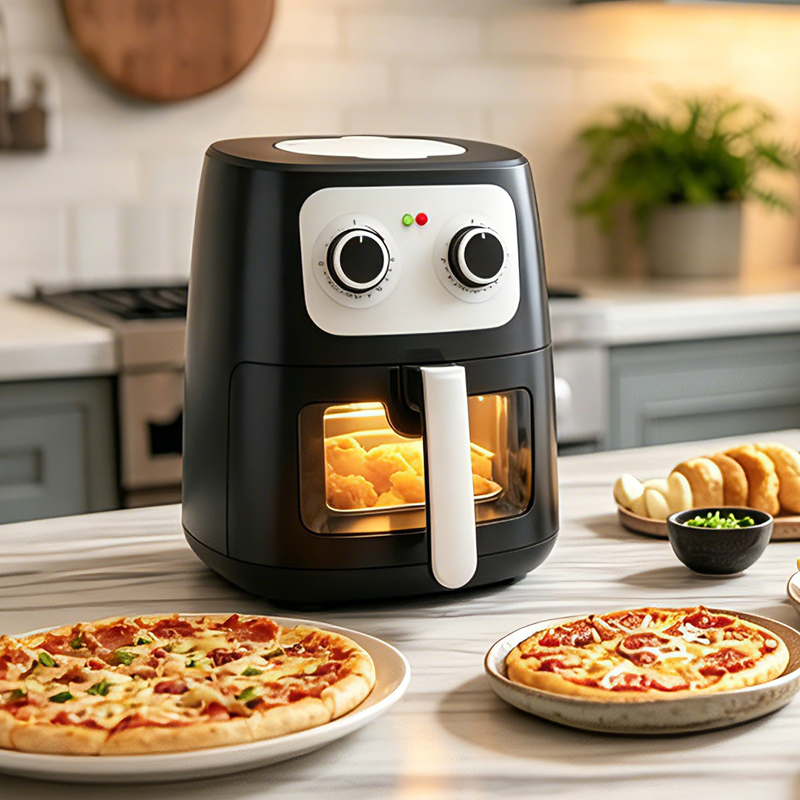
 Air Fryer
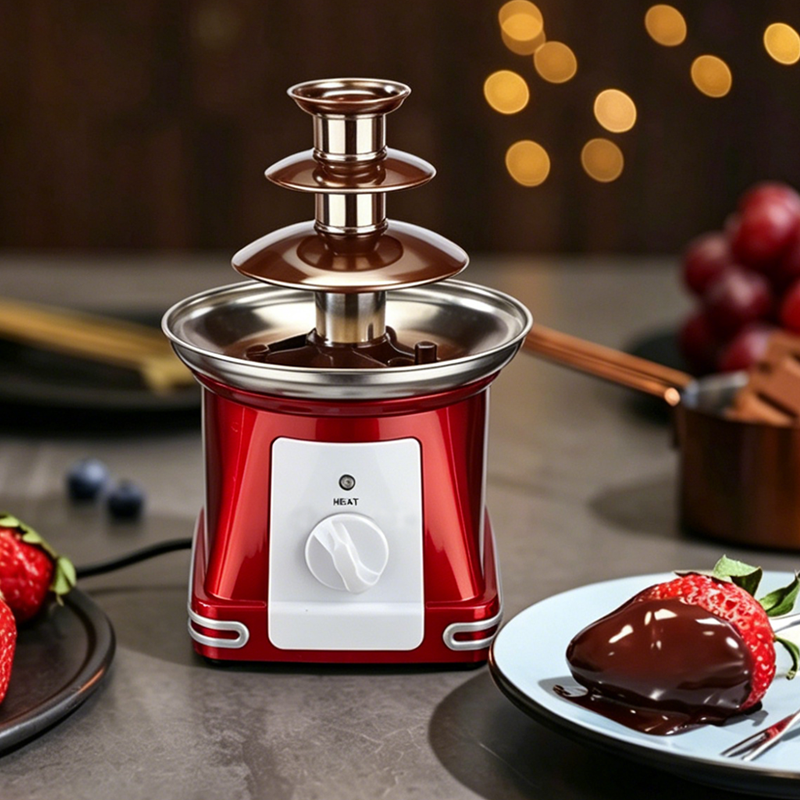
 Chocolate Fountain
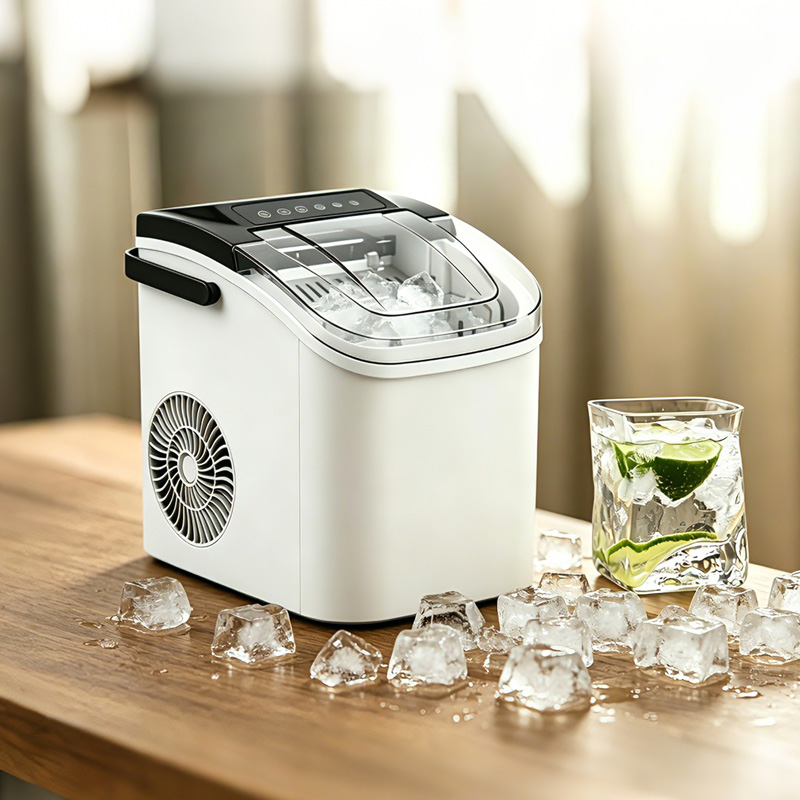
 Ice Maker
Homease specializes in the research, design, and manufacturing of small home appliances, dedicated to providing practical, stylish, and reliable kitchen appliance solutions for households and commercial customers worldwide.
Cixi Homease Electrical Products Co., Ltd is a China Popcorn Maker Manufacturer and Wholesale Popcorn Maker Factory, our product portfolio covers a wide range of categories, including popcorn makers, cotton candy machines, air fryers, chocolate fountains, ice makers, slush machines, and milkshake makers. Popcorn Maker are widely used in home kitchens, party and entertainment settings, retail channels, and foodservice applications.

Search
Categories
Recommend
Categories
Recommend
-
 Hot Air Popcorn Maker
 -
 Hot Air Popcorn Maker
 -
 Hot Air Popcorn Maker
Popcorn Maker Manufacturer
Showing 1–12 of 26 results
-
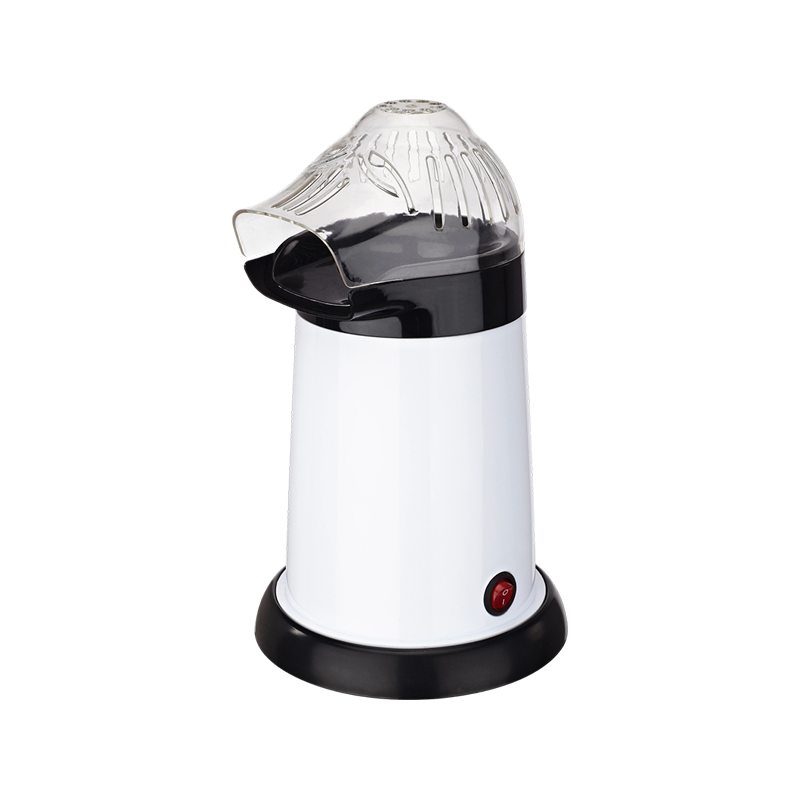
Hot Air Popcorn Maker Compact Hot Air Popcorn Maker
-
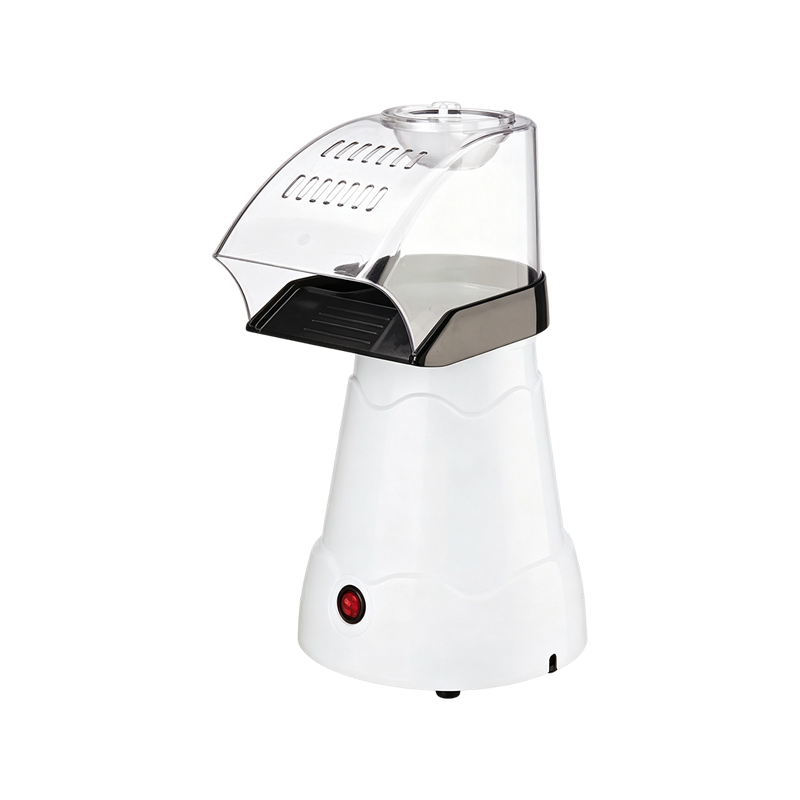
Hot Air Popcorn Maker 1200W Taller and Thickened Popcorn Maker
-
Hot Air Popcorn Maker 1200W Flat High-Power Popcorn Maker
-
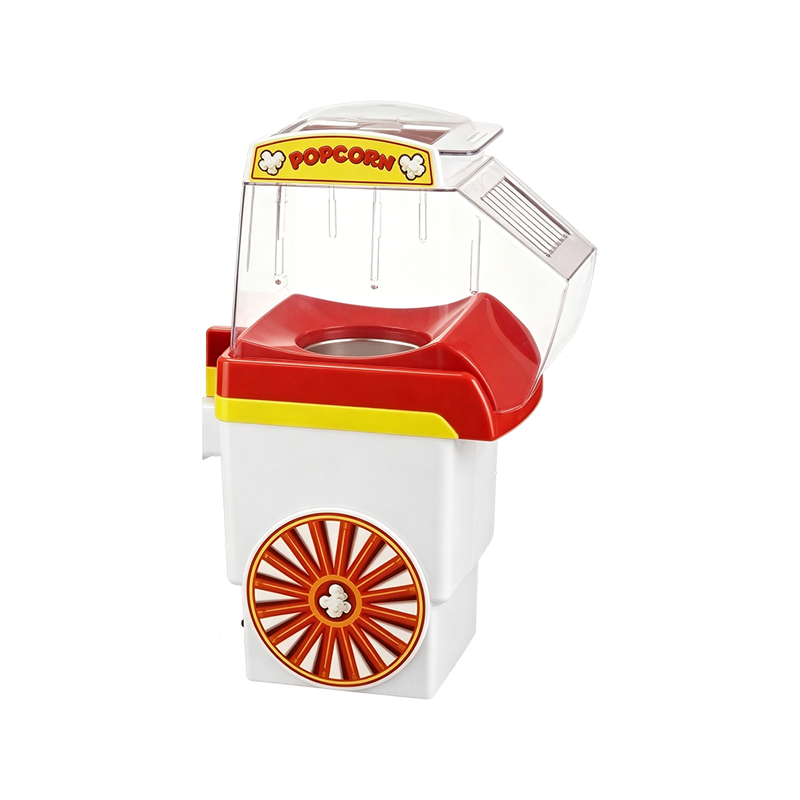 Hot Air Popcorn Maker 1200W Vertical Classic Red and Silver Popcorn Maker
 -
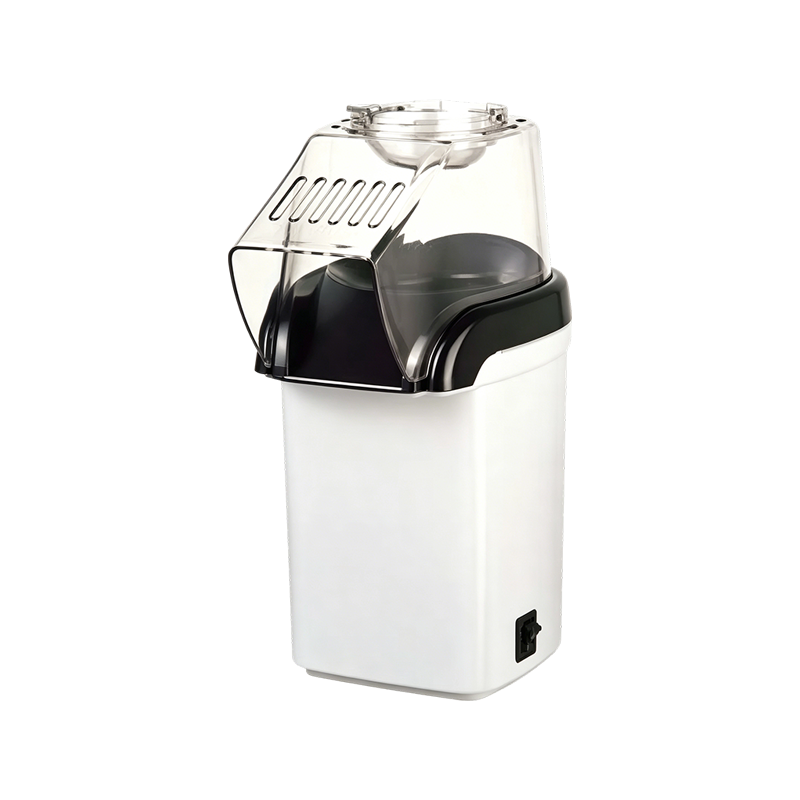 Hot Air Popcorn Maker Standard Hot Air Popcorn Maker
 -
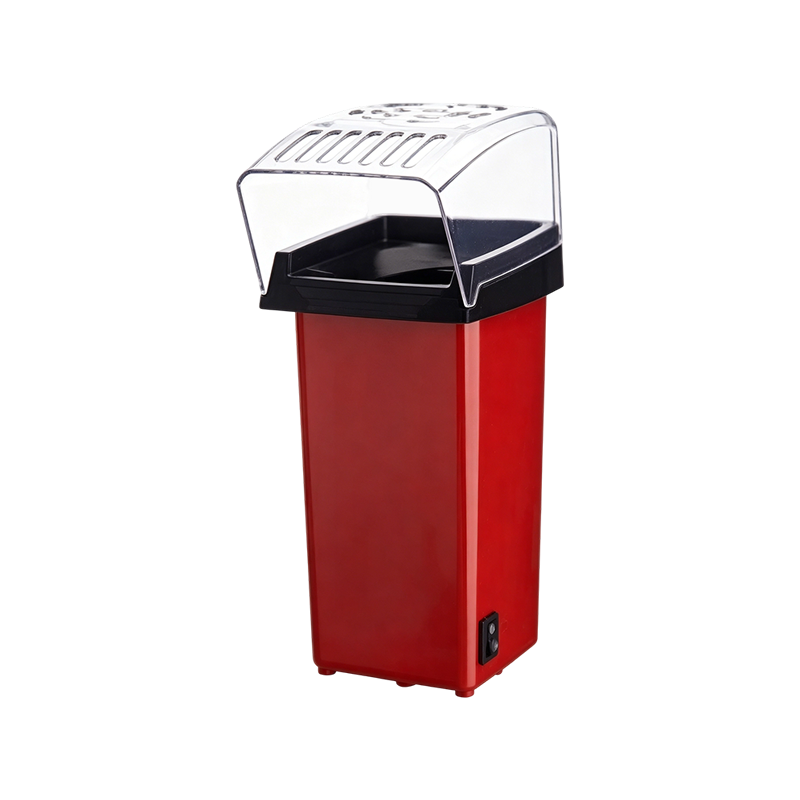 Hot Air Popcorn Maker Mini Portable Popcorn Maker
 -
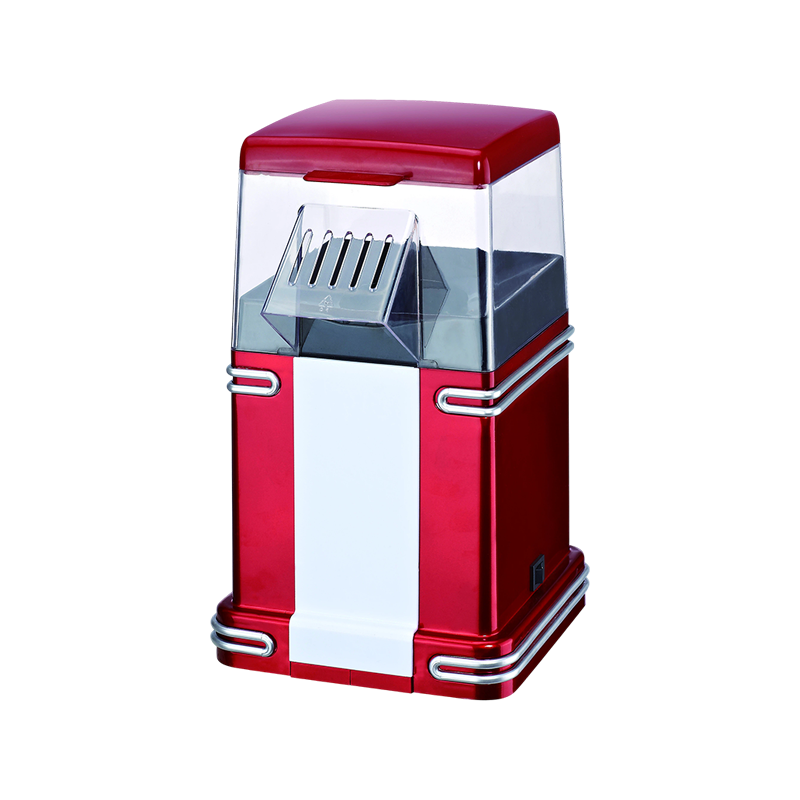 Hot Air Popcorn Maker 1200W Retro Air Popper Popcorn Maker
 -
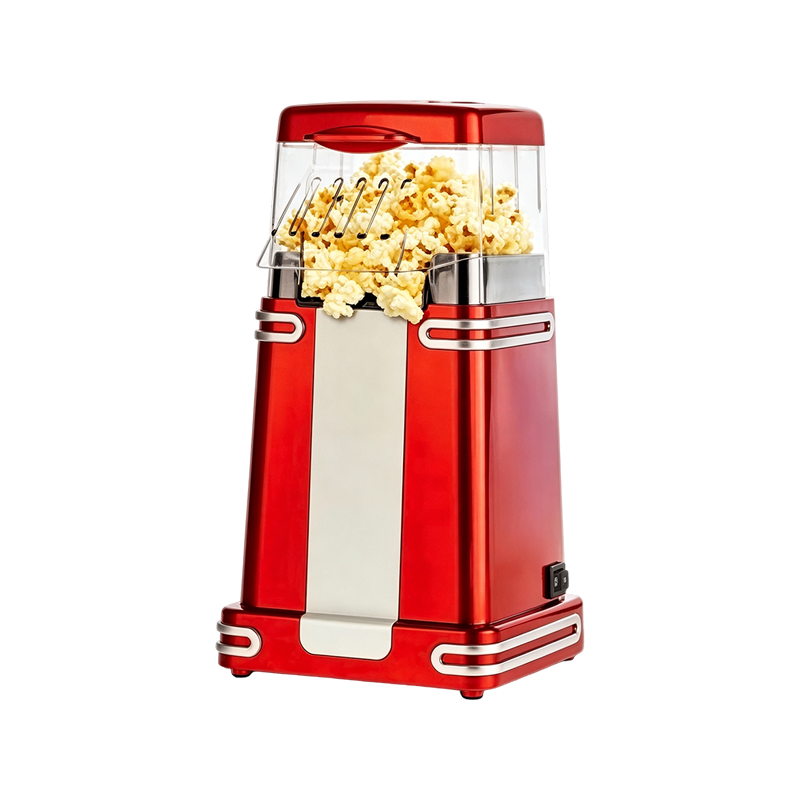 Hot Air Popcorn Maker 900W Mini Retro Air Popper Popcorn Maker
 -
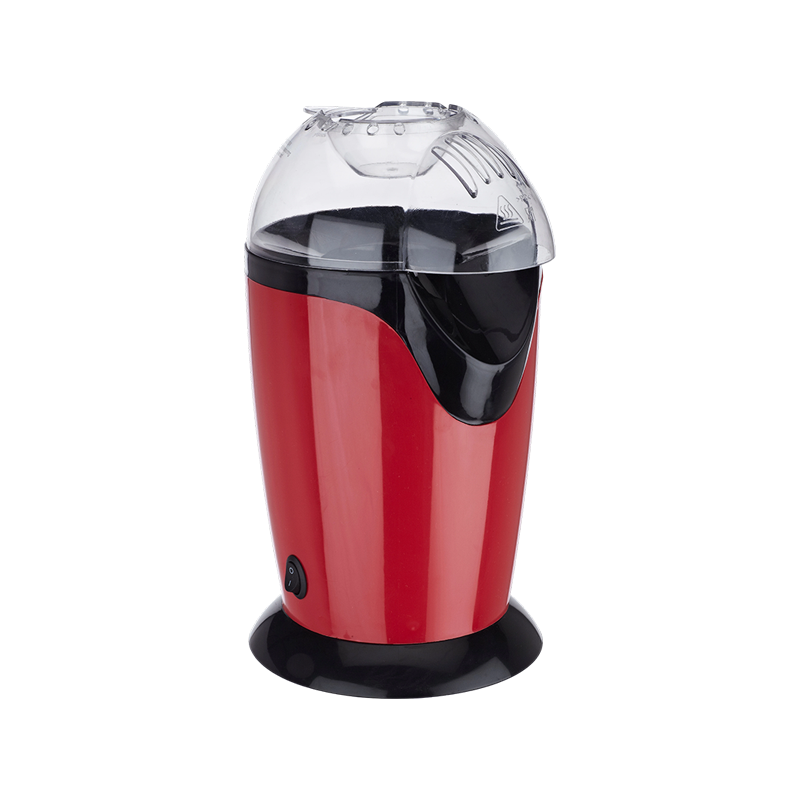 Hot Air Popcorn Maker PM-1600 Small Household Popcorn Maker
 -
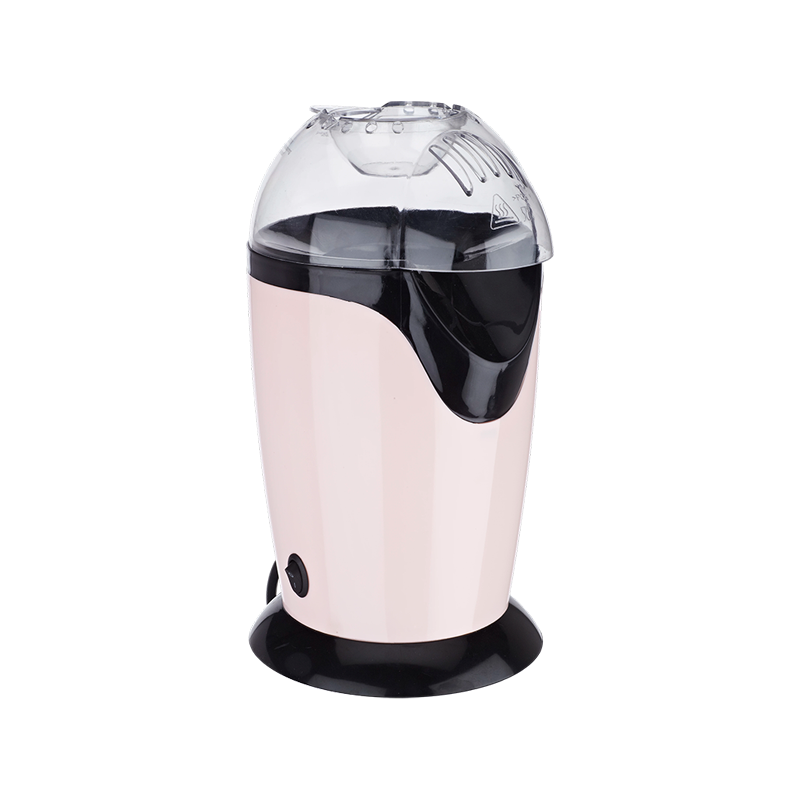 Hot Air Popcorn Maker PM-1600S Mini Portable Household Popcorn Maker
 -
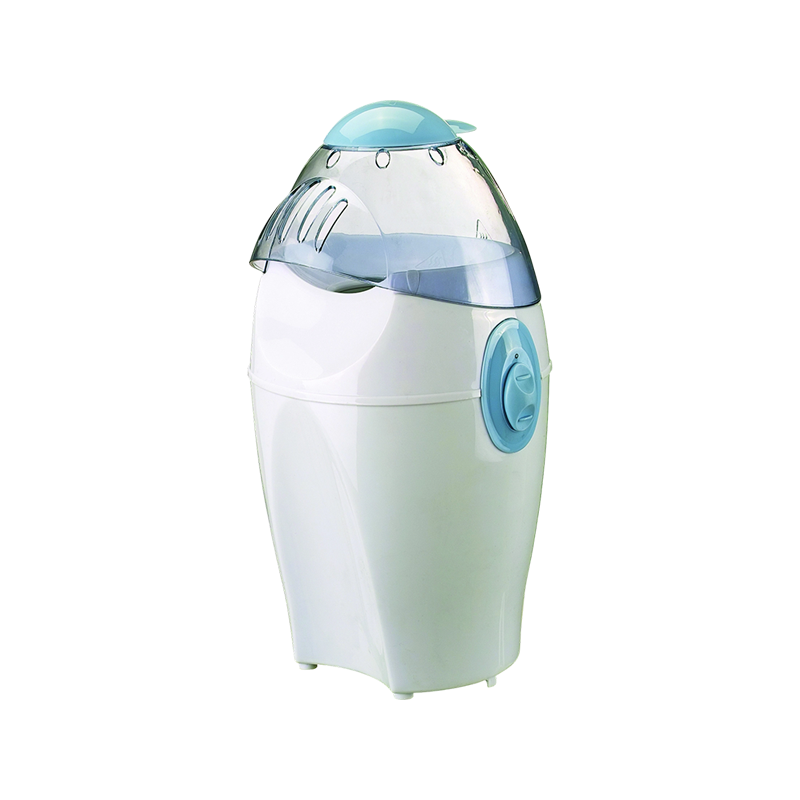 Hot Air Popcorn Maker PM-1700 Mini Simple Style Household Popcorn Maker
 -
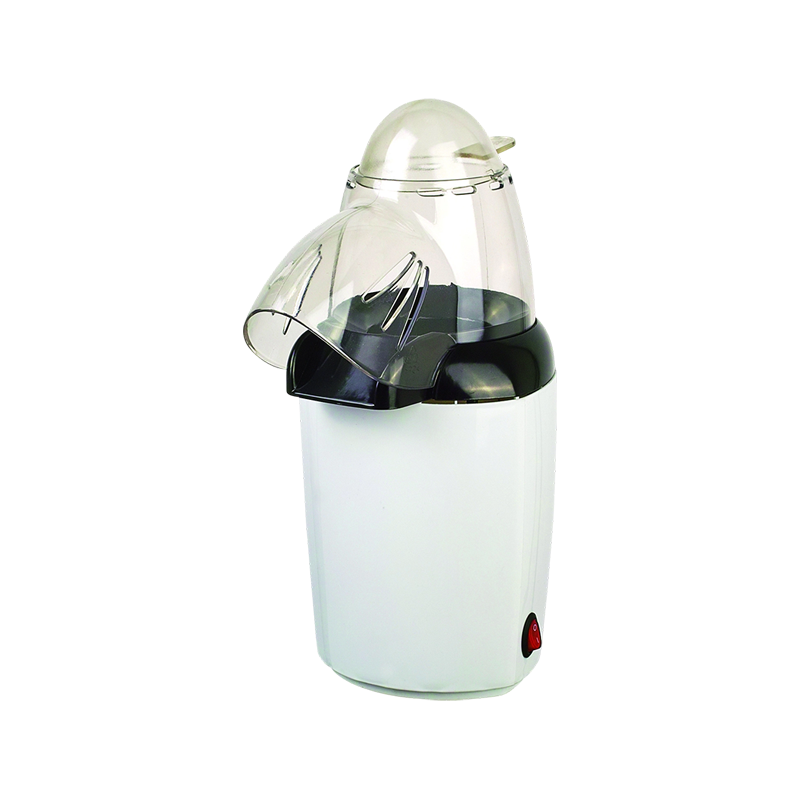 Hot Air Popcorn Maker PM-1800 Mini Household Popcorn Maker
As a professional popcorn equipment manufacturer, we are dedicated to providing a diverse range of products tailored to various application scenarios.
The Hot Air series is the premier choice for customers seeking "guilt-free" snacks. Utilizing physical thermal convection technology, this series allows kernels to pop perfectly without the need for any added oil. Equipped with a high-efficiency hot air circulation system, it typically produces fresh popcorn within just 2 minutes.
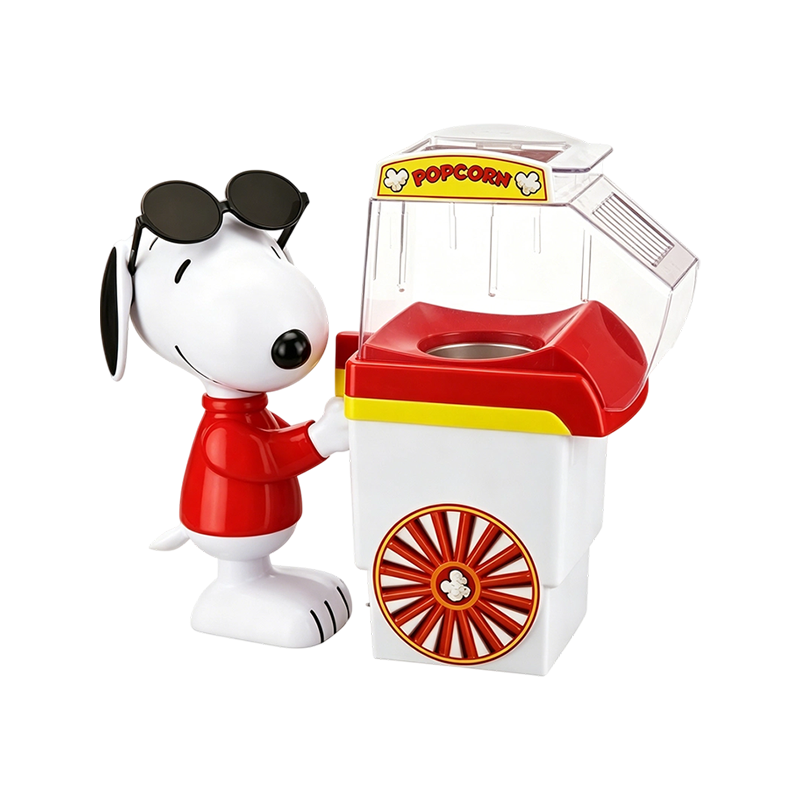
Our Retro series seamlessly blends 20th-century cinematic nostalgia with modern heating technology. Featuring a classic red-and-white color scheme and tempered glass panels, it transforms the popping process into a highly attractive "visual show."
The Countertop series consists of commercial-grade devices specifically engineered for high-frequency use, offering a balance between footprint and production efficiency. The integrated large-area constant-temperature heating plate ensures that the popcorn remains crisp and fresh for hours after production.
About Us
Cixi Homease Electrical Products Co., Ltd.
News
-
Picture a Friday evening. The film is queued, the bowls are out, and you tip a level scoop of kernels into the top of a popcorn maker. Ninety seconds later you...
READ MORE -
Two hot air popcorn makers can arrive in identical cartons, carry the same power rating, and still behave nothing alike on a countertop. One clears a full cham...
READ MORE -
Air Fryer Basics: What It Is and Which Size and Type to Choose An air fryer is a compact countertop appliance that uses a heating element and a powerful fan to...
READ MORE -
Popcorn Maker Basics: Which Type Fits Your Use Case A popcorn maker is a small appliance that heats corn kernels until the moisture inside turns to steam and b...
READ MORE
Popcorn Maker Industry knowledge
1. Popcorn Maker Overview and Core Functions
A Popcorn Maker is a small kitchen or commercial appliance designed to heat and expand corn kernels into ready-to-eat popcorn through controlled heat transfer and, in some designs, mechanical stirring. The category includes household countertop units built for occasional home use and heavier-duty models built for continuous operation in retail, entertainment, and event settings. Across formats, the core function stays consistent: apply steady heat to kernels within a kettle or heating chamber until moisture inside each kernel converts to steam and forces the kernel to pop.
(1) Heating Methods
Most popcorn maker designs rely on either hot air circulation or a heated metal kettle. Hot air models push heated air through a chamber to pop kernels without added oil, while kettle-style units use direct contact heat, often paired with continuous stirring to prevent scorching. Each heating method produces a different texture, moisture retention, and batch cycle time.
(2) Batch and Continuous Operation
Household units typically run in single-batch cycles, producing one serving before requiring a short cooldown or reload period. Commercial-grade equipment is engineered for repeated cycles across a full shift, with kettle capacity and motor duty rating sized to match sustained demand rather than occasional use.
2. Common Types and Characteristics
Within the popcorn maker category, several distinct formats serve different buyer needs. Hot air units suit health-conscious household use since no oil is required during the popping cycle. Retro-style units combine a kettle-based mechanism with a decorative cart or cabinet housing, often chosen for home entertainment spaces. Tabletop poppers are compact, portable units built for events and small foodservice counters, while commercial kettle units are sized for higher, sustained output in venues with continuous foot traffic.
| Type | Heating Method | Typical Setting | Cycle Style |
|---|---|---|---|
| Hot Air Popcorn Maker | Circulated hot air | Home kitchen | Single batch |
| Retro Popcorn Maker | Heated kettle | Home entertainment | Single to repeated batch |
| Tabletop Popcorn Popper | Heated kettle | Events and small foodservice | Repeated batch |
| Commercial Popcorn Maker | Heated kettle, continuous stirring | Retail and entertainment venues | Continuous cycle |
3. Output Comparison Across Popcorn Maker Types
Daily output varies noticeably across the category depending on kettle size, heating method, and whether the unit is designed for single or continuous cycles. The column chart below compares approximate daily servings across four common popcorn maker types under typical operating conditions. Commercial units show the highest output because their larger kettles and continuous stirring mechanism reduce idle time between cycles. Hot air units show comparatively lower output since they are generally built for single, smaller batches rather than repeated commercial cycles. Retro and tabletop formats fall in the middle range, reflecting their mixed use across home and light commercial settings. Reviewing output differences like these helps match a specific popcorn maker type to expected daily demand before a unit is put into service.
4. Application Scenarios and Selection Points
Selecting the right popcorn maker depends on the intended setting, expected daily volume, and available counter or floor space. The list below outlines the main scenarios in which each type is commonly placed.
- Home kitchens generally favor compact hot air units for occasional, oil-free snack preparation.
- Home entertainment rooms often use retro-style units for their decorative housing alongside functional output.
- Event rental and mobile vendors typically choose tabletop poppers for their portability and simple controls.
- Cinemas, retail counters, and entertainment venues rely on commercial units built for sustained, continuous cycles.
- Foodservice operators with fluctuating daily traffic often keep one commercial unit paired with a smaller backup unit.
Beyond setting, buyers typically weigh kettle or chamber capacity against expected servings per hour, since undersized equipment can create service delays during peak periods while oversized equipment adds unnecessary footprint and cleaning time.
5. Attribute Comparison: Household and Commercial Popcorn Maker Performance
The radar chart below compares household and commercial popcorn maker performance across four attributes: output capacity, portability, cleaning ease, and cycle speed. Commercial units score higher on output capacity and cycle speed, reflecting their design for sustained, repeated use across a full shift. Household units score higher on portability and cleaning ease, since their smaller size and simpler kettle design make them easier to move and wipe down after a single batch. Neither format scores highest across every attribute, which is why the choice between them generally comes down to expected usage frequency rather than a single performance figure. Viewing these attributes together, rather than in isolation, gives a clearer picture of which popcorn maker format fits a specific operating pattern. This comparison also shows why some venues keep both a household-style unit for light use and a commercial unit for peak demand periods.
6. Manufacturing Background and Category Coverage
Cixi Homease Electrical Products Co., Ltd. researches, designs, and manufactures small home appliances, with the popcorn maker category forming part of a broader product portfolio that also includes cotton candy machines, air fryers, chocolate fountains, and ice makers. This mixed portfolio reflects how these appliances are often used together in home kitchens, party and entertainment settings, retail channels, and foodservice applications. Production takes place across a 20,000 square meter manufacturing base with around 300 staff, reaching a daily output of up to 10,000 units across the full appliance range, which supports both smaller trial orders and larger recurring programs for household and commercial popcorn maker models alike.
7. Maintenance Guidance
Regular maintenance extends the working life of any popcorn maker and keeps output consistent between cleanings. The steps below apply broadly across household and commercial formats.
- Wipe the kettle or heating chamber after each use to prevent residue buildup.
- Check stirring mechanisms and motors on commercial units on a fixed weekly schedule.
- Inspect heating elements periodically for uneven heating patterns.
- Store the unit in a dry location to reduce corrosion on metal components.
- Keep a simple maintenance log for units used across multiple shifts or venues.
8. Frequently Asked Questions
(1) What distinguishes a hot air popcorn maker from a kettle-style unit?
A hot air popcorn maker pops kernels using circulated heated air without added oil, while a kettle-style unit heats kernels through direct contact with a metal surface, often with continuous stirring.
(2) Which popcorn maker type suits continuous commercial use?
Commercial popcorn maker units are built with larger kettles and continuous stirring mechanisms designed for repeated cycles across a full shift, unlike single-batch household models.
(3) How is daily output typically measured for this category?
Daily output is generally measured in approximate servings produced under typical operating conditions, which varies by kettle size, heating method, and cycle frequency across popcorn maker types.
(4) Can a retro-style unit handle repeated batches like a commercial model?
Retro-style units can handle repeated batches for light entertainment or home use, though their kettle size and motor rating are generally smaller than dedicated commercial equipment.
(5) What maintenance step matters most for consistent output?
Wiping the kettle or heating chamber after each use is the most consistent maintenance step, since residue buildup is a common cause of uneven heating over time.
Get in Touch
Your email address will not be published.
Required fields are marked *
Required fields are marked *
contact us
Have a project in mind?
Contact with us
Contact with us
We are happy to answer your questions. Please fill out this form
and one of our professional team will get back to you as soon as possible.
and one of our professional team will get back to you as soon as possible.
-
Company AddressNO.212 Qiaotou Road, Qiaotou Town, Cixi City Zhejiang Province
-
Tel:+86-574-63032602/63032605/63032682/63032681
-
E-mail:homease@homease.com.cn
huajun_sam@homease.com.cn
jayden@homease.com.cn
sunny@homease.com.cn
Copyright © Cixi Homease Electrical Products Co., Ltd. All Rights Reserved. Popcorn Maker Manufacturer Wholesale Popcorn Maker Factory
