
 中文简体
中文简体 русский
 Français
 Español
 Português
 Deutsch
 عربى
عربى italiano
 Türk
Türk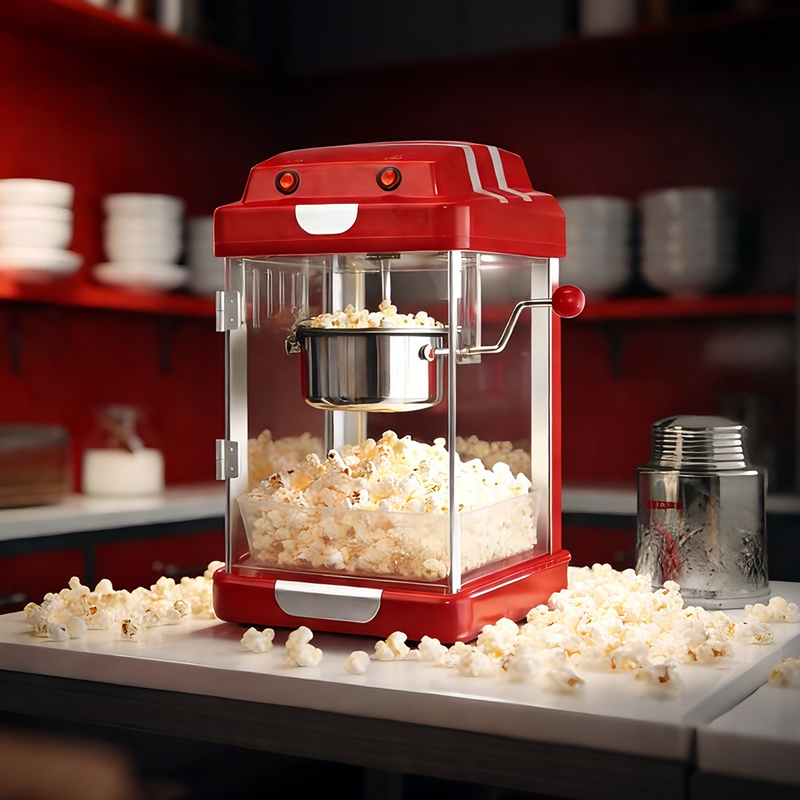
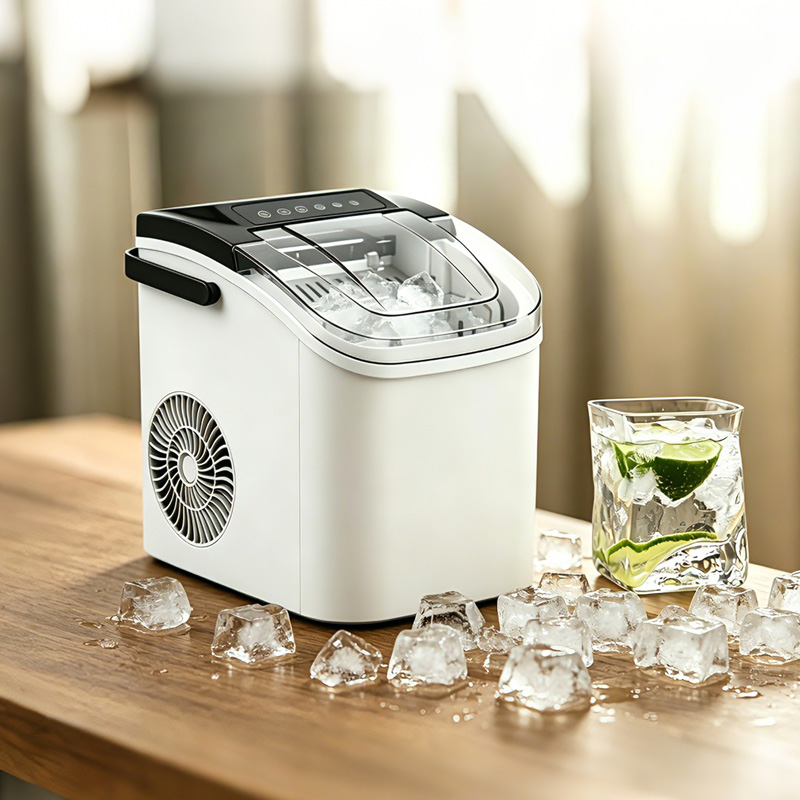
 Popcorn Maker
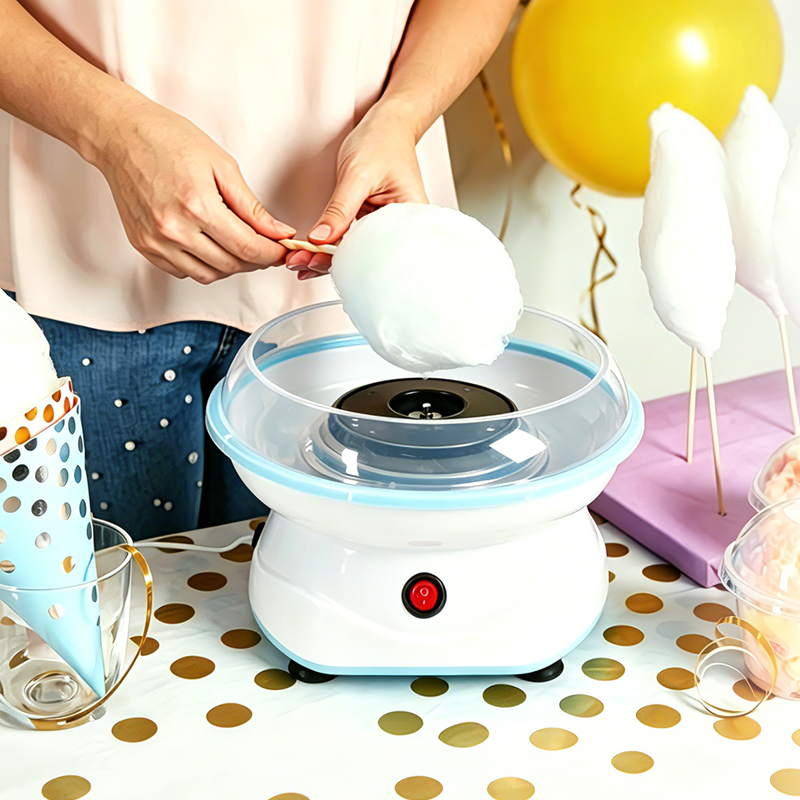
 Cotton Candy Maker
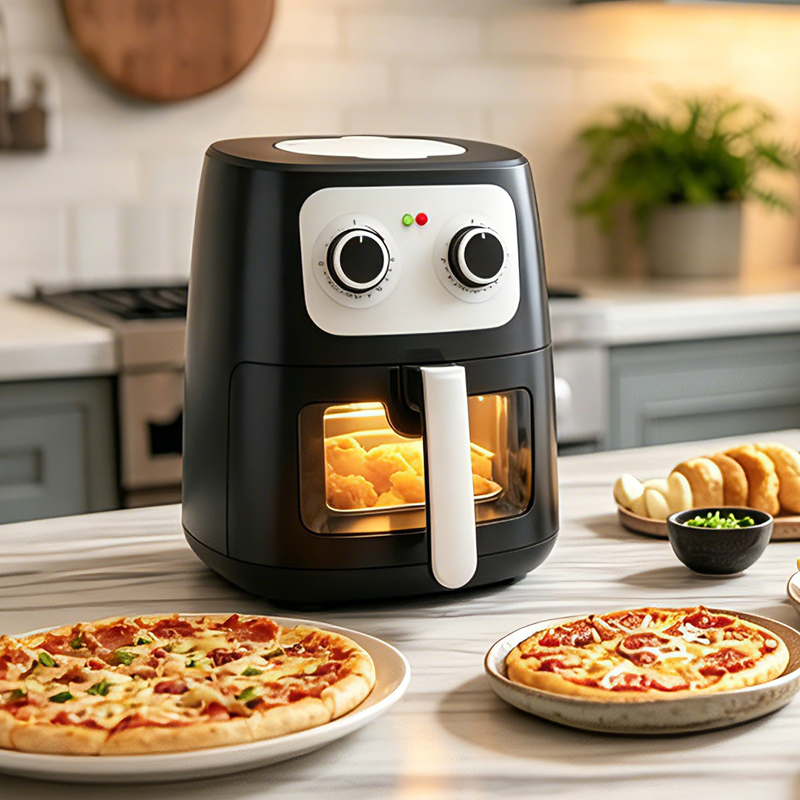
 Air Fryer
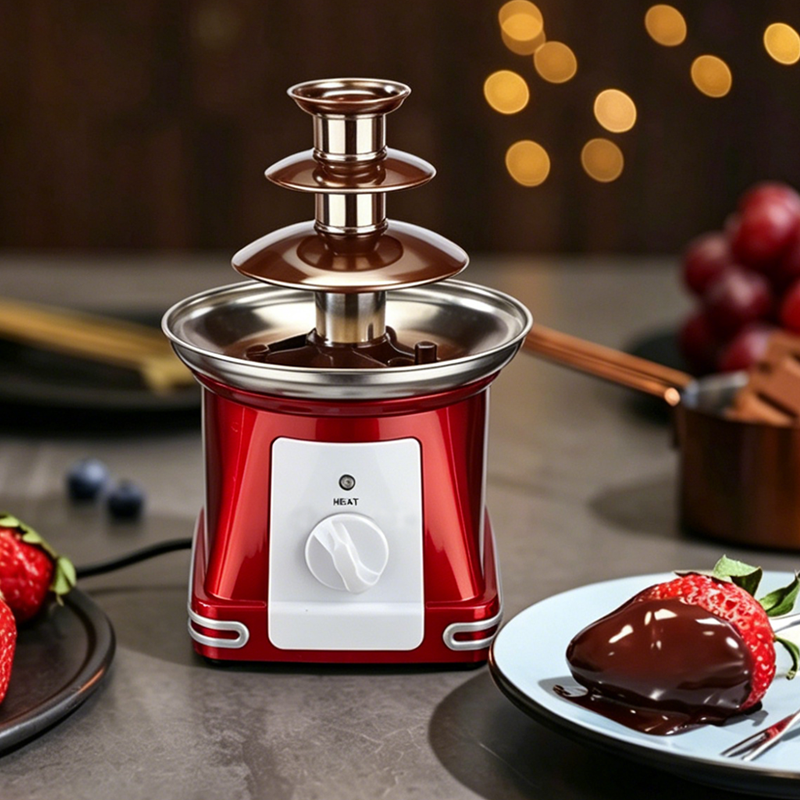
 Chocolate Fountain
 Ice Maker
Homease specializes in the research, design, and manufacturing of small home appliances, dedicated to providing practical, stylish, and reliable kitchen appliance solutions for households and commercial customers worldwide.
Cixi Homease Electrical Products Co., Ltd is a China Electric Cotton Candy Machine Manufacturer and Wholesale Automatic Cotton Candy Maker Factory, our product portfolio covers a wide range of categories, including popcorn makers, cotton candy machines, air fryers, chocolate fountains, ice makers, slush machines, and milkshake makers. Electric Cotton Candy Machine are widely used in home kitchens, party and entertainment settings, retail channels, and foodservice applications.

Search
Categories
Recommend
Categories
Recommend
-
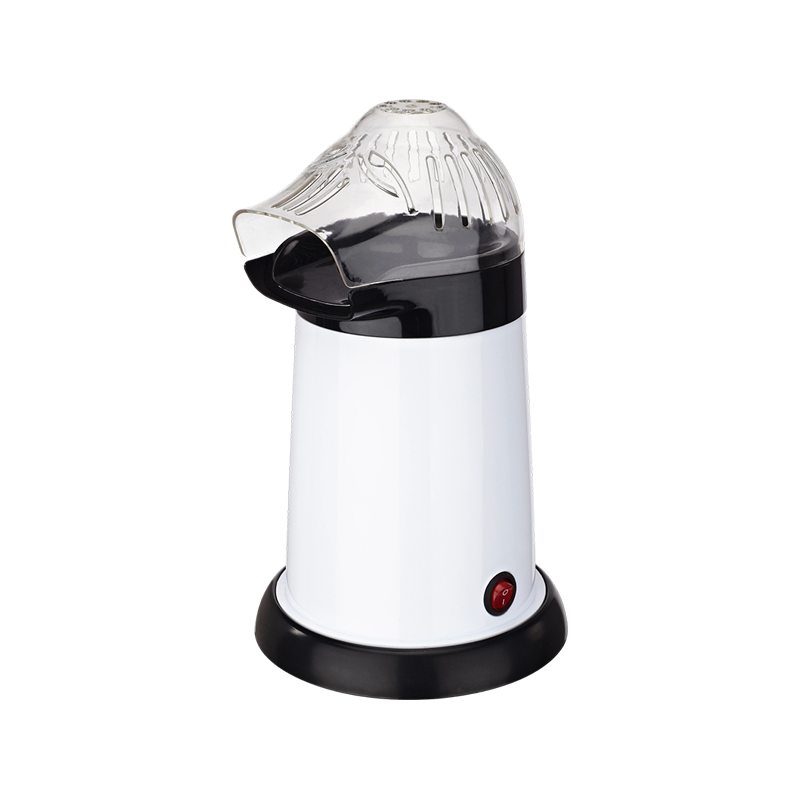 Hot Air Popcorn Maker
 -
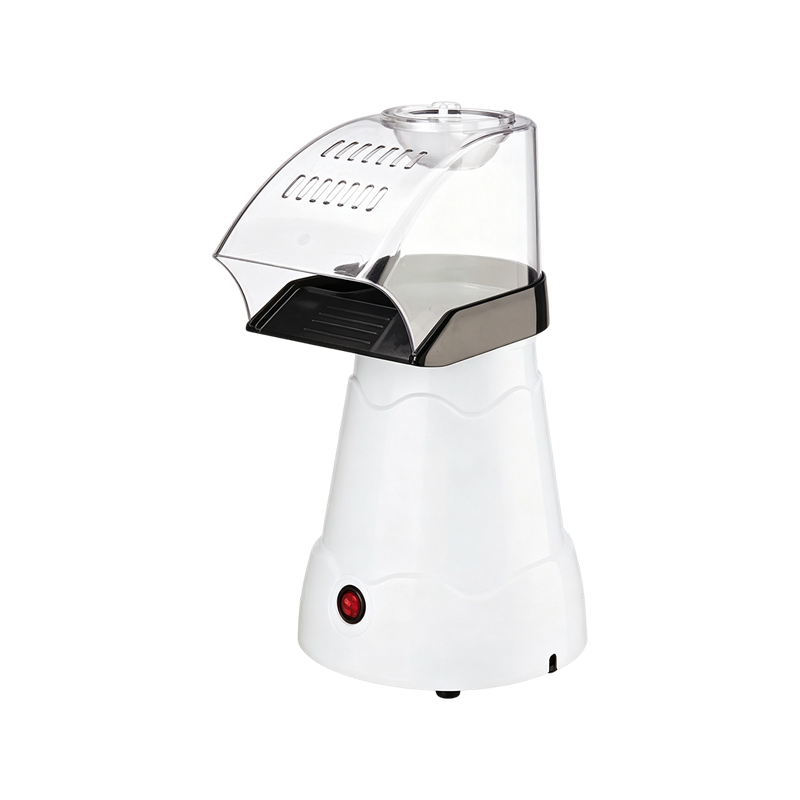 Hot Air Popcorn Maker
 -
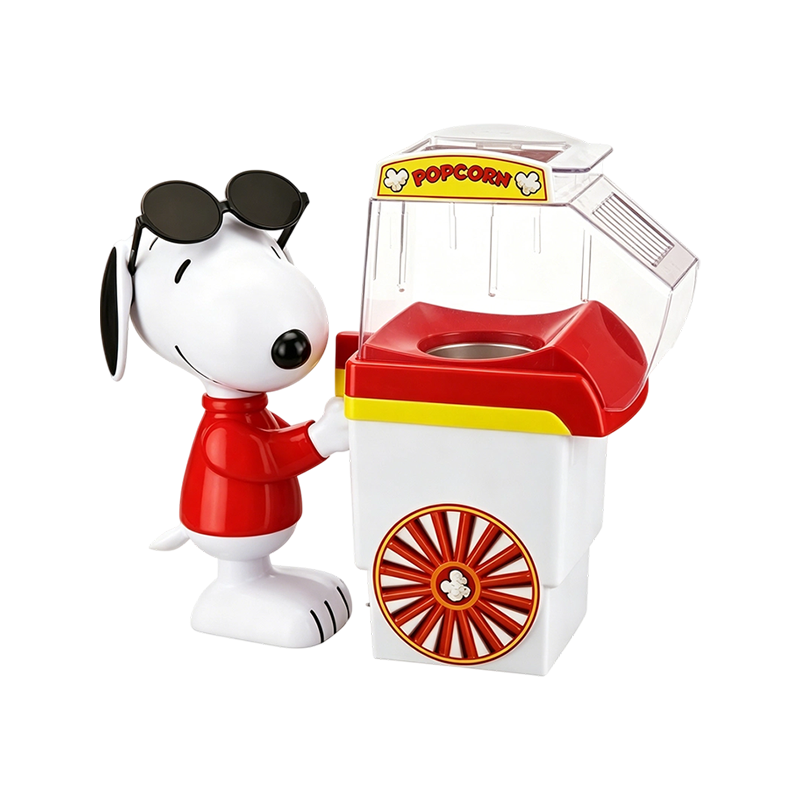 Hot Air Popcorn Maker
Electric Cotton Candy Machine Manufacturer
Showing 1–12 of 12 results
-
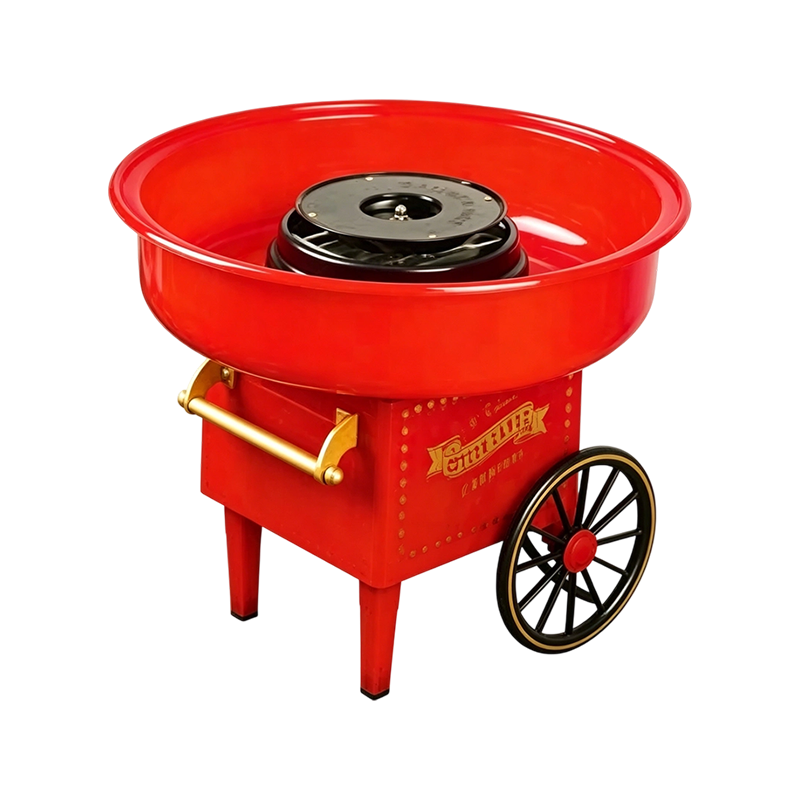 Cotton Candy Maker CCM-500 Retro Carnival Cotton Candy Maker
 -
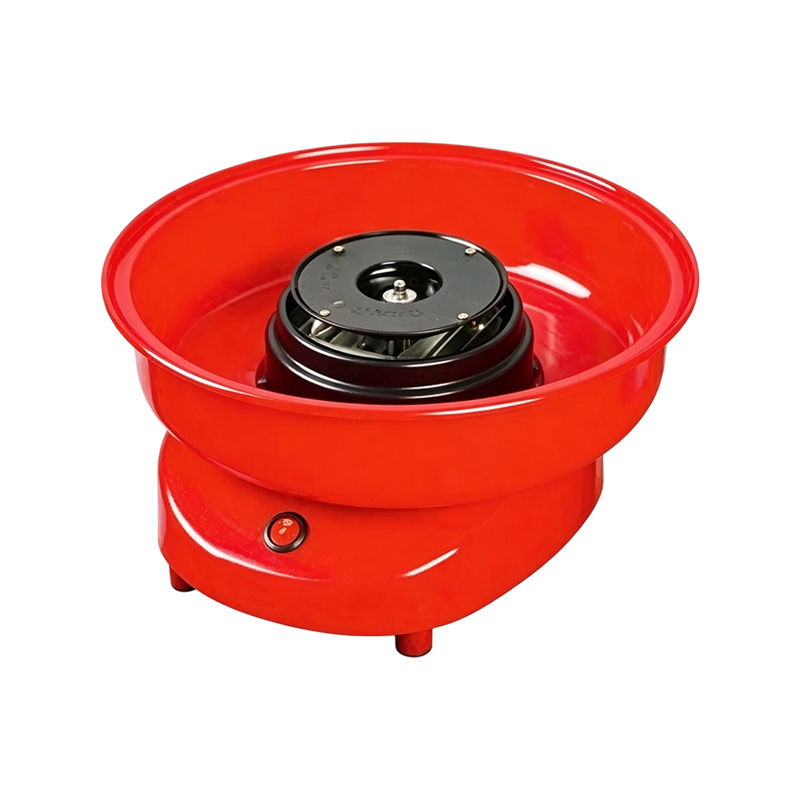 Cotton Candy Maker CCM-500A Classic Round Cotton Candy Maker
 -
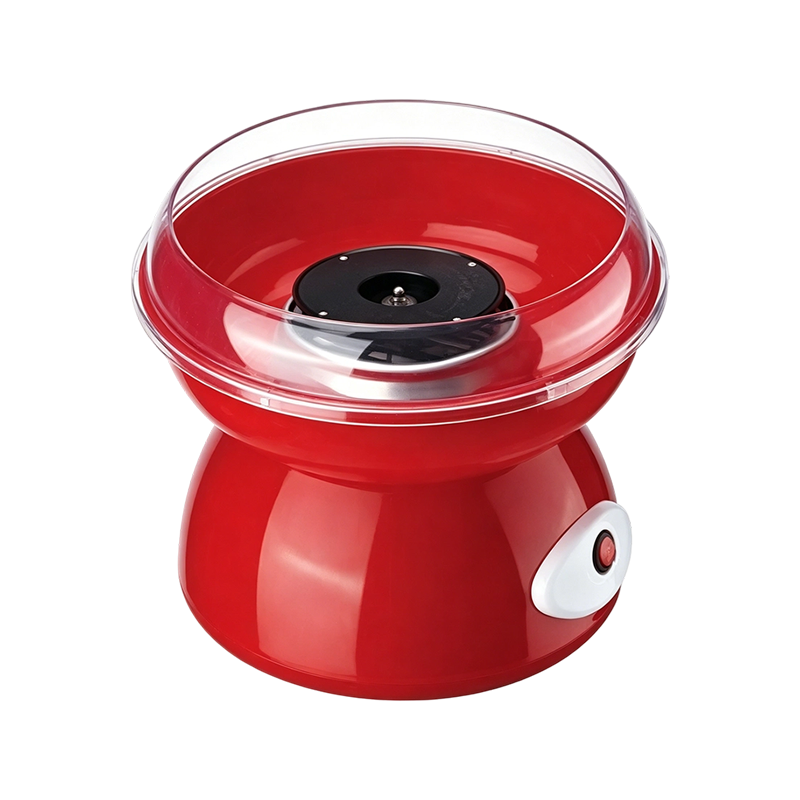 Cotton Candy Maker CCM-500B Smooth Dome Cotton Candy Maker
 -
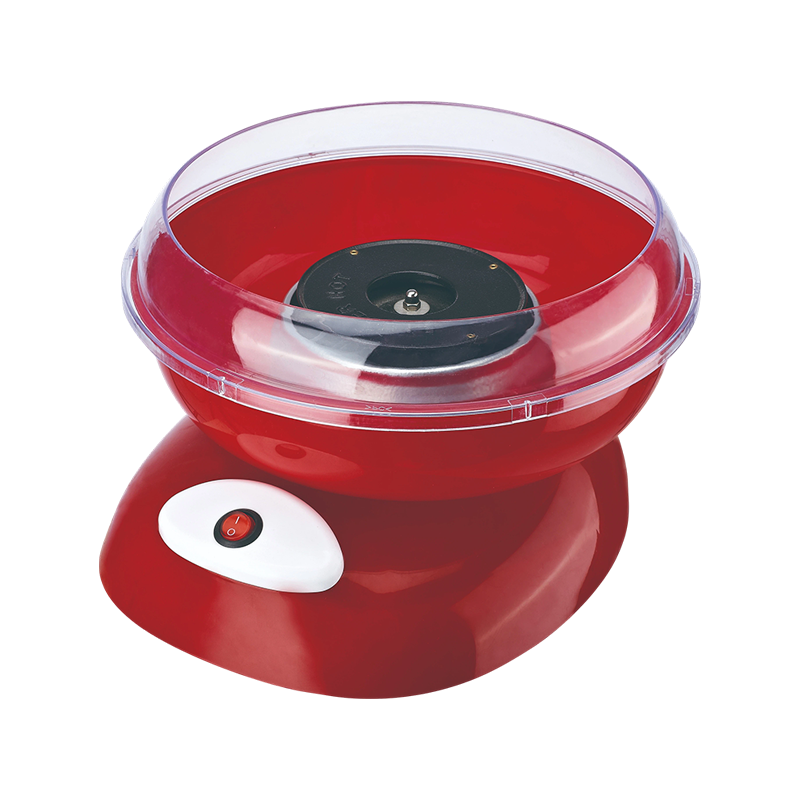 Cotton Candy Maker CCM-500C Modern Curve Cotton Candy Maker
 -
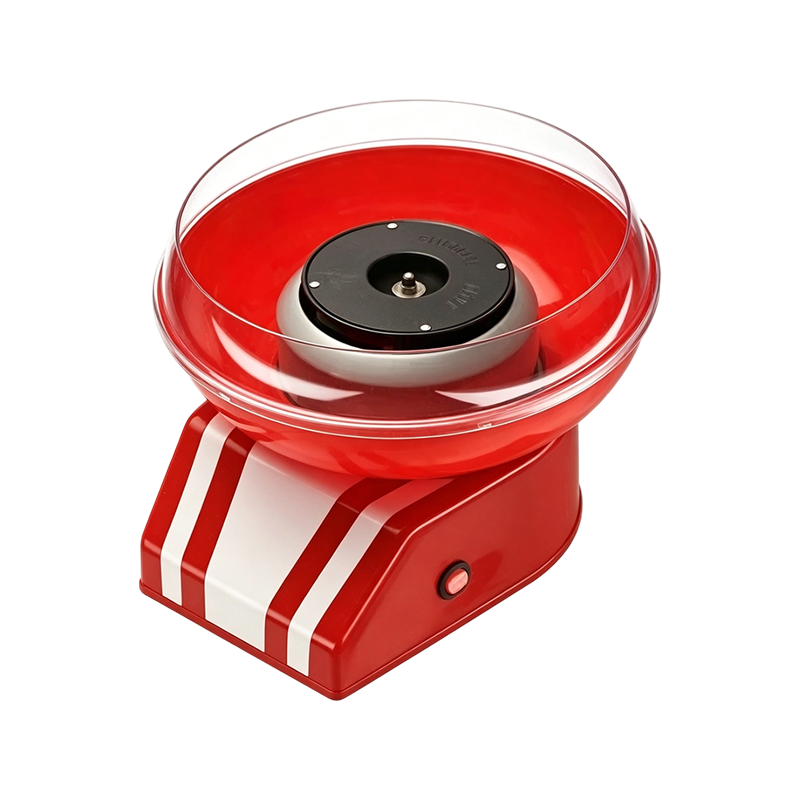 Cotton Candy Maker CCM-500D Sporty Stripe Cotton Candy Maker
 -
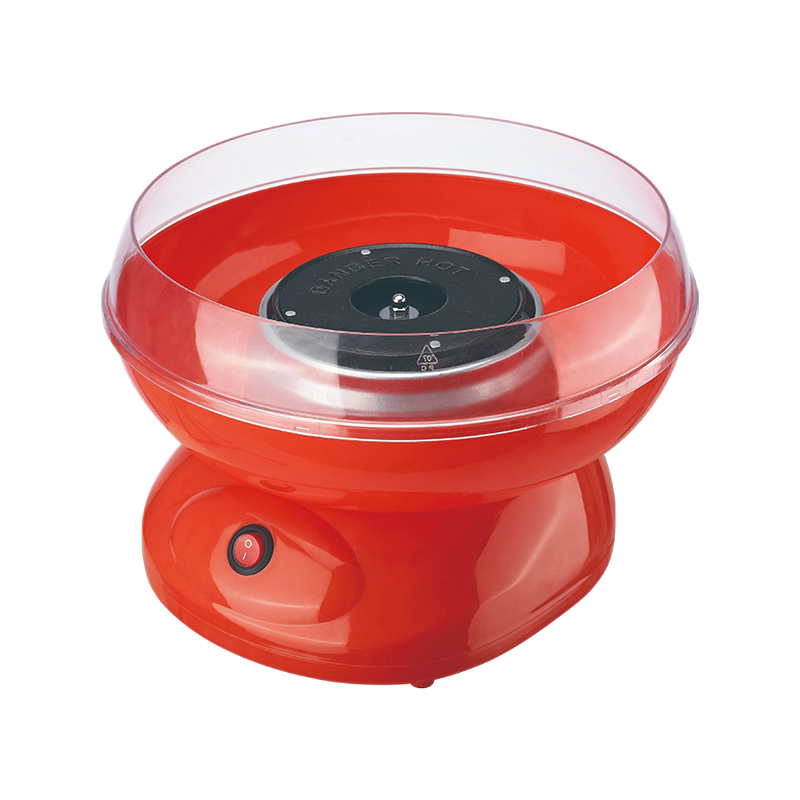 Cotton Candy Maker CCM-500E Sleek Compact Cotton Candy Maker
 -
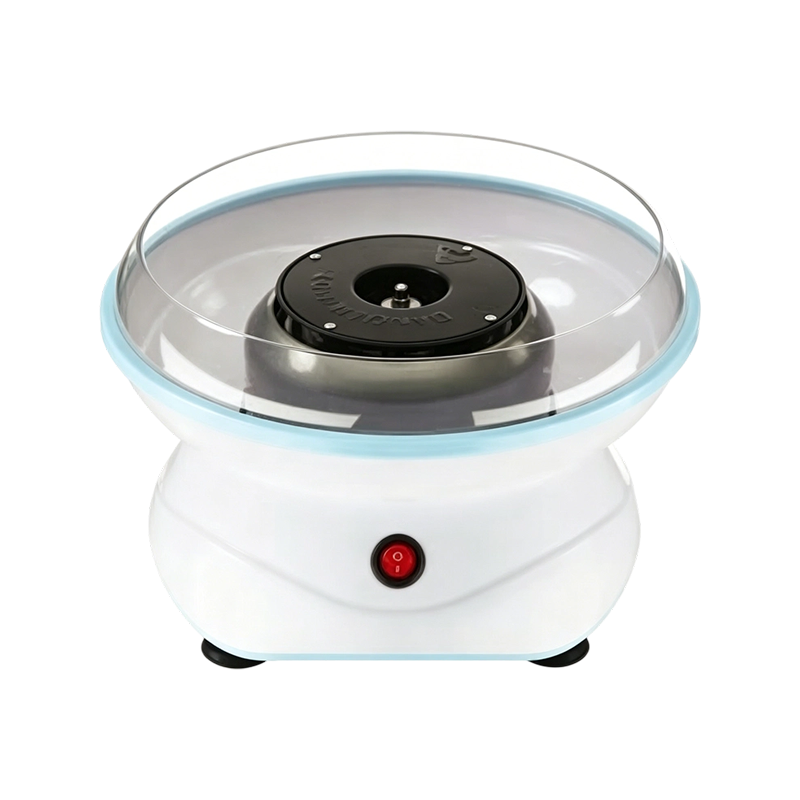 Cotton Candy Maker CCM-500G Pure White Cotton Candy Maker
 -
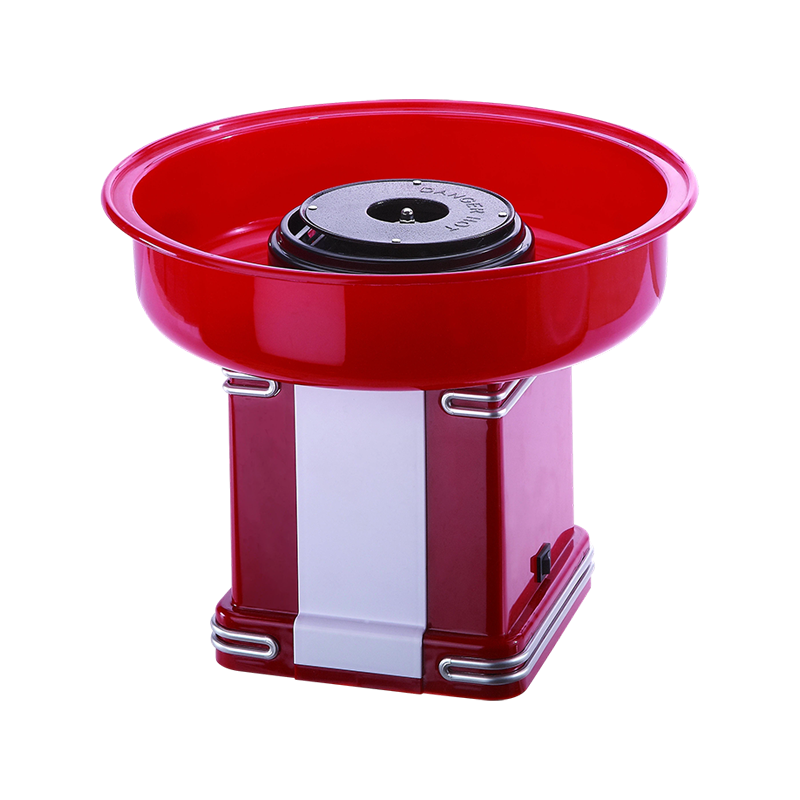 Cotton Candy Maker CCM-530 Vintage Tower Cotton Candy Maker
 -
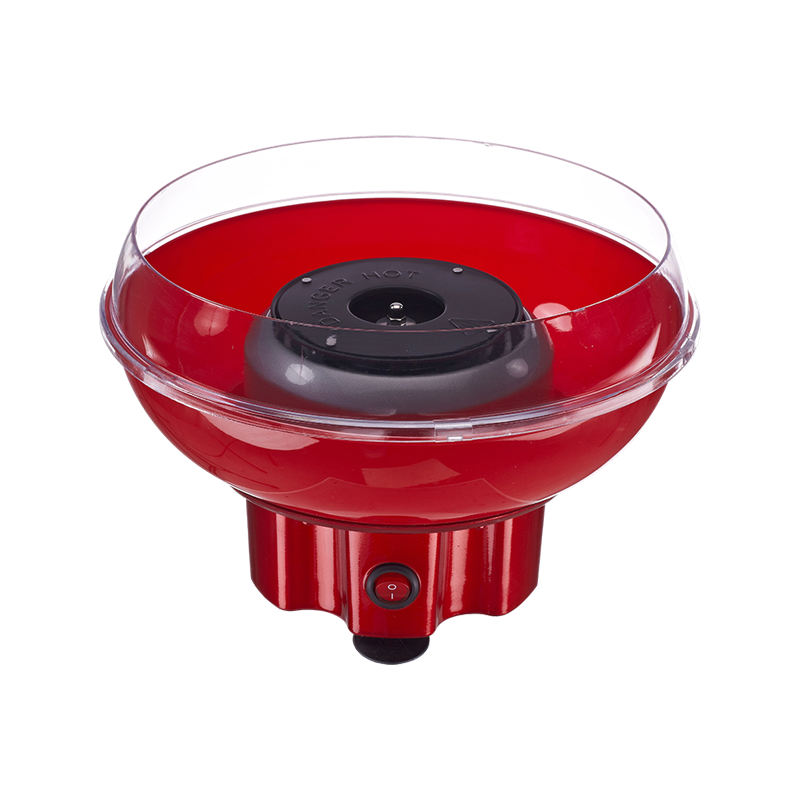 Cotton Candy Maker CCM-500M Mini Fun Cotton Candy Maker
 -
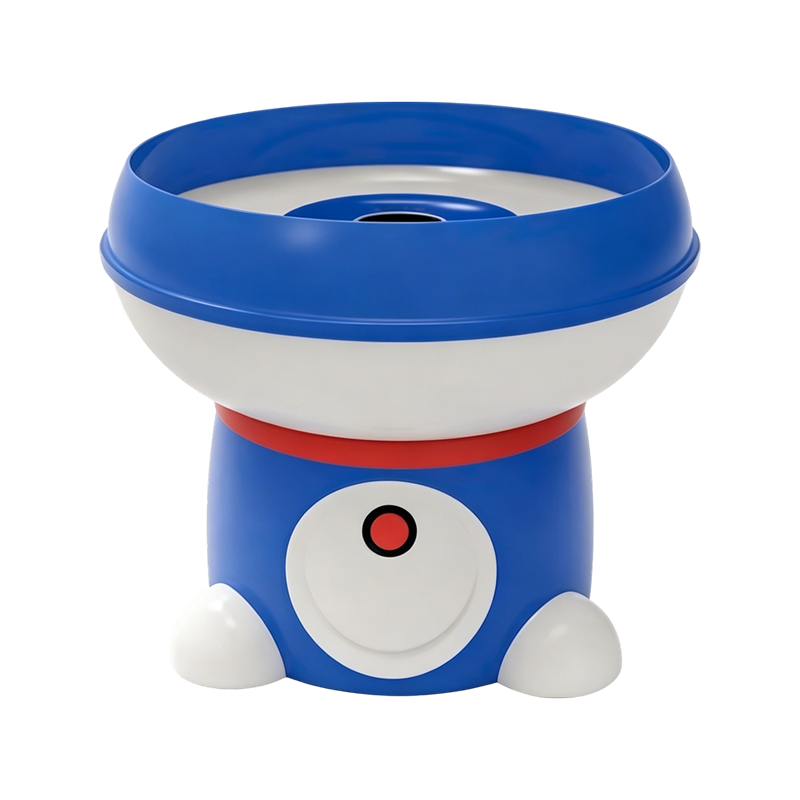 Cotton Candy Maker CCM-500Q Blue Robot Cotton Candy Maker
 -
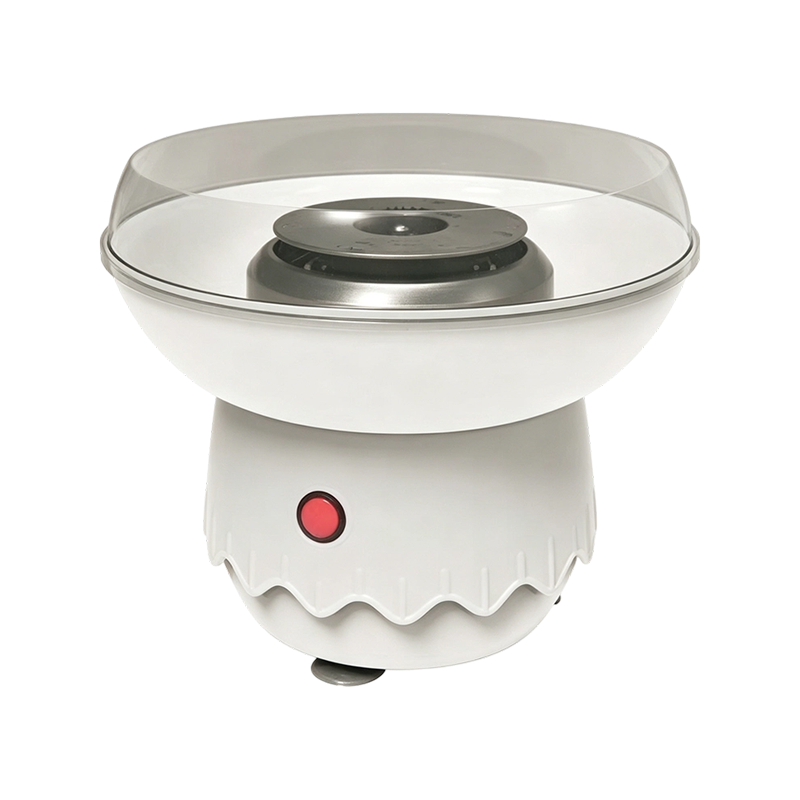 Cotton Candy Maker CCM-500J Cloud Wave Cotton Candy Maker
 -
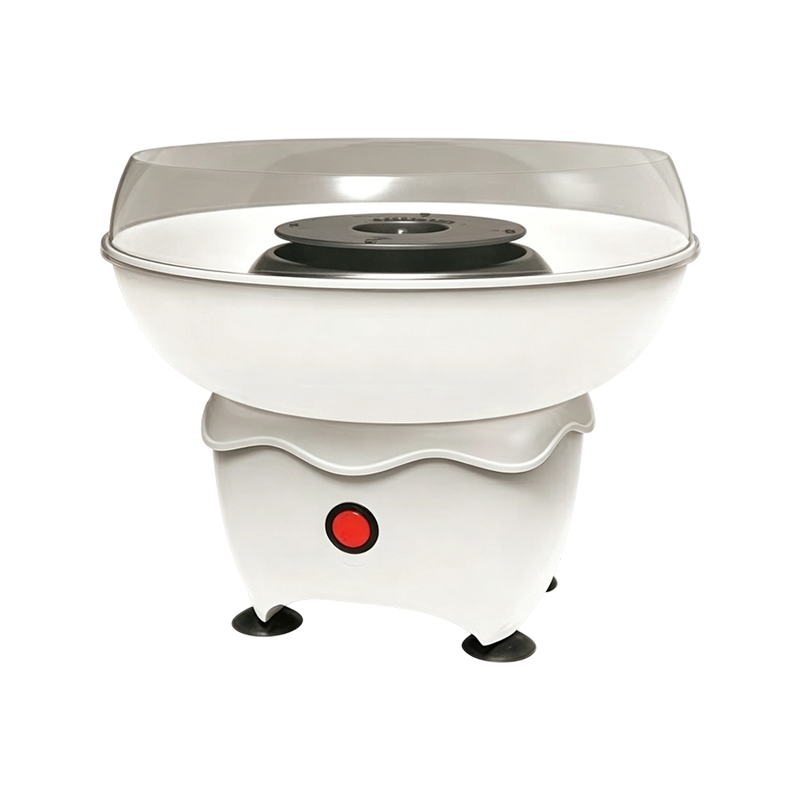 Cotton Candy Maker CCM-500K Petal Base Cotton Candy Maker
Applications
Family Entertainment: Perfect for birthday parties, family movie nights, and holiday celebrations, creating a fun, nostalgic experience for kids and adults alike.
Educational & Interactive: Used in preschools and parent-child workshops to teach children about the science of melting and spinning sugar.
Small Events & Gatherings: Ideal for small-scale events, such as school fairs, community gatherings, or pop-up stalls, where a quick, eye-catching snack is needed.
Gift & Hobby: A popular gift choice for children and hobbyists who enjoy creative food projects at home.
Production & Supply Chain
Core Technology: Features a high-speed motor, a stainless steel spinning head, and a food-grade plastic splash guard to ensure safe and efficient operation. The design prioritizes ease of use and cleaning.
Production Standards: Manufactured in compliance with international safety standards (CE, RoHS) and is suitable for global markets, with voltage options for 110V/220V.
Production Capacity: With a monthly production capacity of up to 60,000 units, it is a mass-produced item widely available through e-commerce and wholesale channels.
About Us
Cixi Homease Electrical Products Co., Ltd.
News
-
Picture a Friday evening. The film is queued, the bowls are out, and you tip a level scoop of kernels into the top of a popcorn maker. Ninety seconds later you...
READ MORE -
Two hot air popcorn makers can arrive in identical cartons, carry the same power rating, and still behave nothing alike on a countertop. One clears a full cham...
READ MORE -
Air Fryer Basics: What It Is and Which Size and Type to Choose An air fryer is a compact countertop appliance that uses a heating element and a powerful fan to...
READ MORE -
Popcorn Maker Basics: Which Type Fits Your Use Case A popcorn maker is a small appliance that heats corn kernels until the moisture inside turns to steam and b...
READ MORE
Cotton Candy Maker Industry knowledge
1. Overview and Working Principle of the Cotton Candy Machine
A cotton candy machine, sometimes referred to as a candy floss machine or sugar spinner, converts granulated sugar into soft, thread-like floss through a combination of heat and centrifugal force. Inside the appliance, a heating element melts the sugar into a liquid state within a rotating spinner head. As the spinner turns at high speed, the melted sugar is forced outward through tiny openings around its rim. The rapid movement of air causes the liquid sugar to cool almost instantly, transforming it into fine strands that collect on the surrounding bowl. This process repeats continuously as long as sugar is fed into the spinner, allowing an operator to gather the floss onto a stick or into a container.
(1) How a Cotton Candy Machine Produces Sugar Floss
The floss-forming process relies on three coordinated elements: heat generation, rotational speed, and airflow around the spinner head. The heating coil or plate must reach a temperature sufficient to liquefy sugar without scorching it, since overheating produces a bitter taste and discoloration. The spinner head, typically made of stainless steel or food-grade alloy, spins at several thousand revolutions per minute to generate the centrifugal force needed to expel the liquid sugar. Consistent rotational speed is directly linked to floss thickness and texture, with higher speeds generally producing finer strands. The surrounding bowl or splash guard captures the floss and prevents sugar residue from scattering outside the unit during operation.
(2) Core Structural Components
Most cotton candy machines share a similar structural layout regardless of size or intended setting. The base houses the motor and heating control system, while the spinner head sits above it, enclosed by a removable bowl. A sugar feeder or funnel sits at the top, allowing sugar or pre-mixed floss sugar to be added during operation. Some models include a drawer at the base to catch loose sugar granules that fall during spinning. Understanding these components helps buyers evaluate build quality, ease of cleaning, and long-term durability before making a selection.
2. Common Types of Cotton Candy Machines and Their Characteristics
Cotton candy machines are generally grouped by heating method, spinner configuration, and intended usage volume. Each category is designed around a specific balance of output speed, portability, and ease of operation. Recognizing these distinctions allows buyers to match a unit to their expected usage frequency, whether that involves occasional home use or continuous operation in a commercial setting.
(1) Single-Head Countertop Machines
Single-head units are compact machines built around one spinner head and a modestly sized bowl. They are commonly used in households, small gatherings, and classroom settings where floss is produced in small batches. These machines typically feature simpler controls, lighter housings, and lower power draw compared to larger units, making them easier to store and transport.
(2) Dual-Head and Commercial-Grade Machines
Dual-head or commercial-grade machines are built for continuous, higher-volume output. They often include reinforced motors, larger bowls, and more robust heating systems capable of sustained operation over extended periods. These units are typically found in fairs, entertainment venues, and foodservice operations where floss needs to be produced repeatedly without long cooldown periods between batches.
| Type | Typical Setting | Bowl Size | Operation Style |
|---|---|---|---|
| Single-Head Countertop | Home, small parties | Compact | Intermittent |
| Dual-Head Commercial | Fairs, foodservice | Large | Continuous |
3. Application Scenarios and Selection Considerations
Selecting a cotton candy machine involves matching the unit's output capacity and build to the setting in which it will be used. Households and small event organizers generally prioritize compact size, quiet operation, and simple cleanup, since the machine may only run for short sessions. Commercial operators, by contrast, place greater weight on sustained heating performance, motor durability, and ease of sugar refilling during high-traffic periods.
(1) Household and Small Party Use
For household use, a lightweight single-head machine with a clear splash guard and straightforward controls is generally sufficient. These units are easier to clean between uses and require less counter space, which suits occasional entertaining rather than continuous output.
(2) Commercial and Foodservice Use
Commercial settings benefit from machines with reinforced spinner heads and larger sugar reservoirs, reducing the frequency of refilling during busy periods. Manufacturers such as Cixi Homease Electrical Products Co., Ltd., which designs a range of countertop kitchen appliances including cotton candy machines, popcorn makers, and ice makers, generally account for these differing demands when developing equipment intended for both home and foodservice channels.
4. Performance Comparison Across Cotton Candy Machine Types
Understanding how different cotton candy machine categories perform against one another helps buyers set realistic expectations for output and operating rhythm. The following visualizations illustrate general performance patterns observed across common configurations, covering floss output, heating stabilization, motor power, and an overall multi-factor comparison. These figures represent typical relative patterns rather than fixed specifications for any single product, and they are intended to support general understanding of how machine type influences performance characteristics. Reviewing this information alongside intended usage frequency can help narrow down which configuration best fits a given setting. Each visualization below is followed by a written explanation covering what the data pattern generally indicates.
(1) Floss Output Comparison by Machine Type
Floss output refers to how much continuous sugar floss a machine can generate within a given operating period. This figure tends to vary based on spinner head size, motor strength, and heating recovery time between batches. Single-head machines generally produce smaller batches suited to individual servings, while dual-head and commercial units are built to sustain longer production runs. The chart below presents a horizontal bar comparison of relative output levels across three general categories. Reviewing this pattern can help buyers estimate how many servings a given machine type may realistically support within an hour of continuous use.
As shown above, single-head machines typically sit at the lower end of the output range, which aligns with their intended use for occasional or small-scale serving. Dual-head machines occupy a middle position, offering a noticeable increase in floss generation without the bulk of full commercial equipment. Commercial-grade machines extend furthest along the output scale, reflecting their design priority of continuous operation over extended sessions. Output capacity generally scales with spinner head count and motor strength rather than any single component alone. This relationship explains why commercial units are physically larger and heavier than countertop models. Buyers planning frequent or high-attendance events should weigh this output difference carefully against available counter or floor space. Conversely, households that use the appliance only occasionally may find that higher output capacity offers little practical benefit relative to its larger footprint. Recovery time between batches also factors into effective output, since machines with faster reheating cycles maintain more consistent floss production. Sugar feed rate and bowl size further influence how long a machine can run before requiring a pause. Taken together, these factors explain why output figures differ meaningfully across the three general categories shown in the chart.
(2) Heating Stabilization Time
Heating stabilization time refers to how long a machine takes to reach a stable operating temperature after being switched on. This period affects how quickly a user can begin producing usable floss after startup. Machines with smaller heating elements generally stabilize faster due to the reduced thermal mass involved. Larger commercial units, while capable of sustained output once running, may require a longer initial warm-up period. The line chart below illustrates a general temperature stabilization pattern over the first several minutes of operation.
The upward curve shown in the chart reflects a typical heating pattern, where temperature rises quickly during the first two minutes before gradually leveling off as the heating element reaches its operating range. This early rise is generally the steepest portion of the curve, since the heating coil is working from a cold start. As the temperature approaches the target range, the rate of increase slows, indicating that the machine is nearing readiness for consistent floss production. A shorter stabilization period generally translates into less waiting time before service can begin, which matters more in fast-paced commercial settings than in relaxed home use. Ambient room temperature and voltage consistency can also influence how closely an individual unit follows this general pattern. Machines used in cooler environments may take marginally longer to stabilize compared to those operating in warmer conditions. Regular cleaning of the heating element additionally supports consistent stabilization times over the life of the appliance, since residue buildup can act as an insulating layer. Understanding this curve helps set realistic expectations for startup time rather than assuming instant readiness. It also highlights why operators in high-turnover settings often keep machines running between short breaks rather than powering them off and on repeatedly. Overall, this pattern is a useful reference point when comparing warm-up expectations across different machine types.
(3) Motor Power Range by Machine Category
Motor power directly influences spinner rotation speed, which in turn affects floss consistency and production rate. Lighter household machines are generally paired with lower-wattage motors sufficient for occasional use, while larger commercial units rely on stronger motors to sustain continuous spinning under repeated load. The column chart below presents a general comparison of relative motor power across the three machine categories discussed earlier. This comparison is intended to illustrate typical proportional differences rather than precise figures for any specific model.
The rising column heights illustrate how motor power generally increases alongside machine scale and intended duty cycle. Single-head machines use comparatively modest motors, which is appropriate given their lighter spinner assembly and shorter typical run times. Dual-head machines step up in motor strength to support two spinning points or a larger single head, allowing for higher sustained throughput. Commercial-grade units carry the strongest motors among the three categories, reflecting their role in continuous, high-demand environments. Motor power and spinner head size are closely linked, since a heavier or larger head requires greater torque to maintain consistent rotational speed. Underpowered motors paired with oversized heads can lead to uneven floss texture or slower spin recovery between refills. Conversely, an overly powerful motor on a small head offers little practical benefit and may increase energy consumption unnecessarily. This proportional relationship is one reason manufacturers generally scale motor specifications alongside bowl and head size rather than treating power as an independent selling point. Buyers evaluating machines for frequent use should consider motor power together with expected session length rather than in isolation. Noise level can also increase somewhat with higher motor output, which may be a consideration in quieter indoor settings. Overall, this comparison reinforces that motor specifications should be read in context of the machine's intended usage category.
(4) Multi-Factor Comparison Across Machine Types
A single performance metric rarely tells the complete story when comparing cotton candy machine categories. Factors such as output capacity, heating recovery, portability, ease of cleaning, and noise level often move in different directions depending on machine design. A multi-factor radar comparison allows several of these dimensions to be viewed together, making trade-offs easier to visualize. The chart below compares single-head and commercial machines across five general dimensions on a relative scale.
The overlapping shapes in this radar comparison highlight how single-head and commercial machines emphasize different strengths. The smaller inner shape, representing single-head machines, extends further along portability and ease of cleaning, reflecting their lighter build and simpler disassembly. The larger outer shape, representing commercial machines, extends further along output and motor power, consistent with their role in sustained, high-volume production. Durability scores moderately high for both categories, since reputable construction standards generally apply across machine sizes regardless of scale. No single machine type scores highest across all five dimensions, which is why selection should be guided by which factors matter most for a given setting rather than seeking one universally superior configuration. A household user prioritizing easy storage and quick cleanup may lean toward the profile shown by the smaller shape. An operator running a continuous event, by contrast, may value the extended reach along output and motor power shown by the larger shape. This type of multi-dimensional comparison also illustrates why portability and raw output capacity often trade off against one another in appliance design generally. Recognizing these trade-offs before purchase can reduce the likelihood of selecting a machine poorly matched to actual usage patterns. It also provides a more balanced view than relying on a single specification such as wattage or bowl size alone. Viewing several factors together, as shown here, offers a more complete picture of how each machine category is likely to perform in practice.
5. Maintenance Guidance for Cotton Candy Machines
Routine maintenance helps preserve floss quality and extends the operating life of a cotton candy machine. Sugar residue that hardens on the spinner head or bowl can affect floss texture and should be removed after each use while components are still warm, since sugar softens more easily at that stage. The bowl and splash guard are generally removable for cleaning and should be washed with warm water to dissolve any remaining sugar film. The heating element area should be wiped gently and kept free of debris to maintain consistent stabilization times. Checking the spinner head periodically for buildup helps preserve balanced rotation and even floss thickness over repeated use.
- Allow the machine to cool slightly before disassembling removable parts.
- Clean the bowl and spinner head after each session to prevent hardened residue.
- Store the machine in a dry location to protect internal electrical components.
- Inspect the sugar feeder opening periodically for blockages.
6. Frequently Asked Questions
(1) What type of sugar works best in a cotton candy maker?
Standard granulated sugar or pre-mixed floss sugar can generally be used, with floss sugar often producing more consistent color and texture due to its finer, uniform granule size.
(2) How long does it take for a cotton candy machine to warm up?
Warm-up time generally ranges from a few minutes for smaller household units to slightly longer for larger commercial machines, as discussed in the heating stabilization comparison above.
(3) Can a cotton candy machine be used outdoors?
Many machines are suitable for outdoor events provided they are kept dry and connected to a stable power source, though manufacturer guidance for the specific model should always be followed.
(4) Is a commercial-grade machine necessary for occasional home use?
For occasional home use, a single-head countertop machine generally provides sufficient output without the added size and power demands of commercial equipment.
Get in Touch
Your email address will not be published.
Required fields are marked *
Required fields are marked *
contact us
Have a project in mind?
Contact with us
Contact with us
We are happy to answer your questions. Please fill out this form
and one of our professional team will get back to you as soon as possible.
and one of our professional team will get back to you as soon as possible.
-
Company AddressNO.212 Qiaotou Road, Qiaotou Town, Cixi City Zhejiang Province
-
Tel:+86-574-63032602/63032605/63032682/63032681
-
E-mail:homease@homease.com.cn
huajun_sam@homease.com.cn
jayden@homease.com.cn
sunny@homease.com.cn
Copyright © Cixi Homease Electrical Products Co., Ltd. All Rights Reserved. Electric Cotton Candy Machine Manufacturer Wholesale Automatic Cotton Candy Maker Factory
