
 中文简体
中文简体 русский
 Français
 Español
 Português
 Deutsch
 عربى
عربى italiano
 Türk
Türk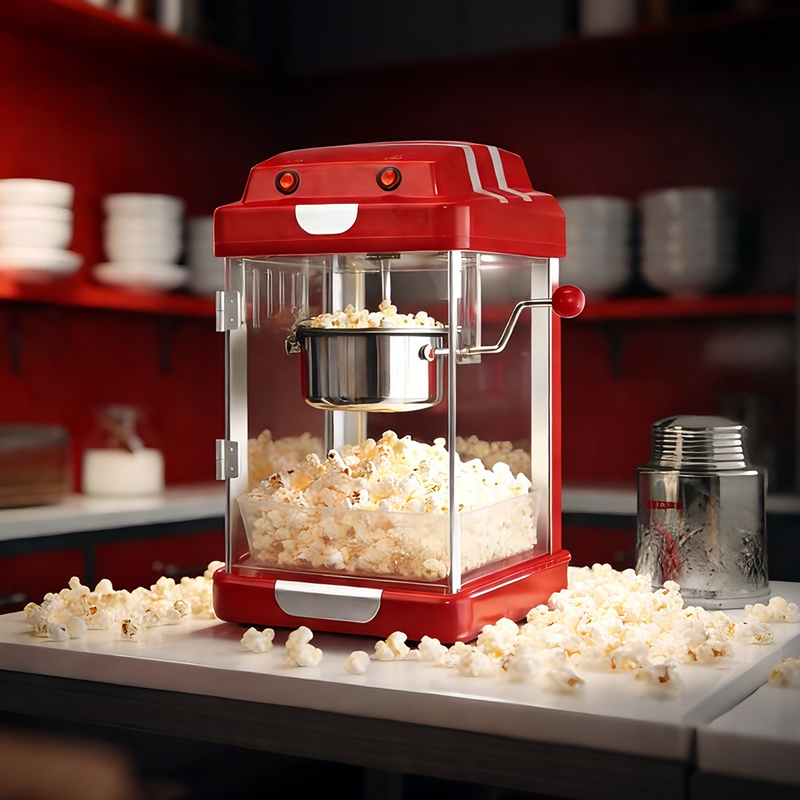
 Popcorn Maker
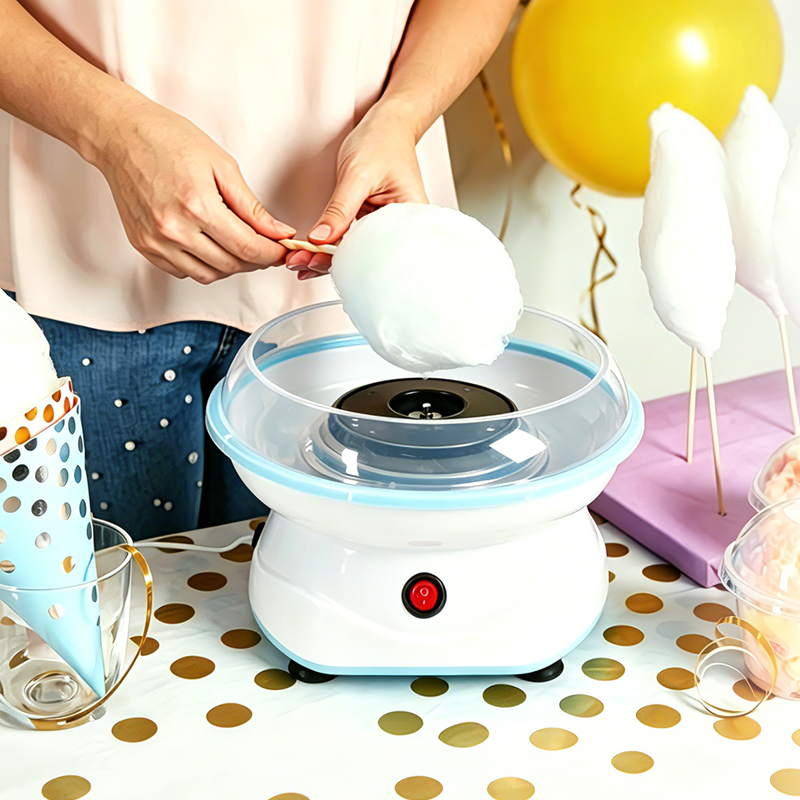
 Cotton Candy Maker
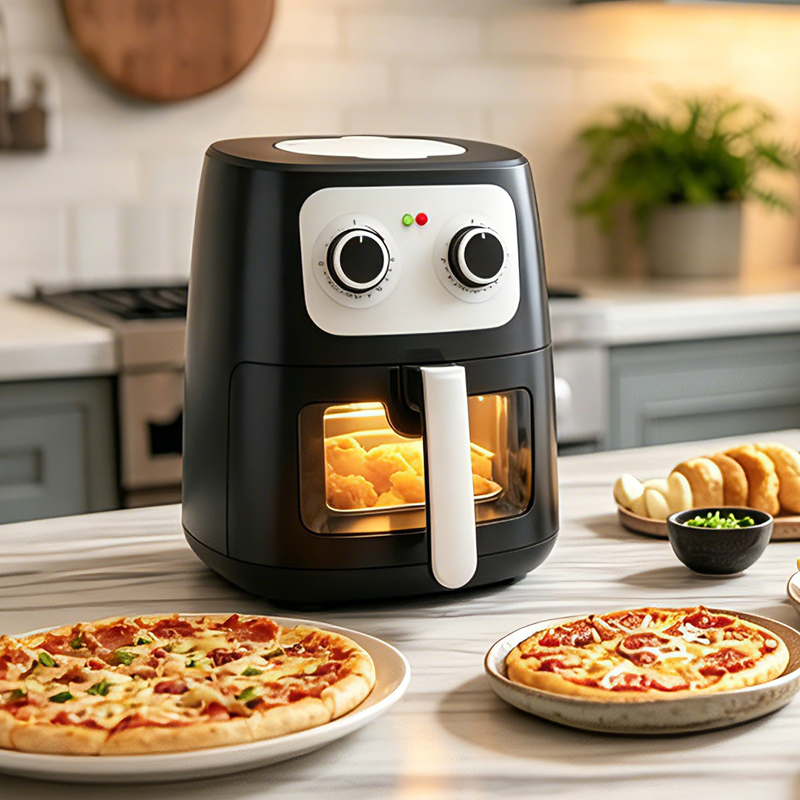
 Air Fryer
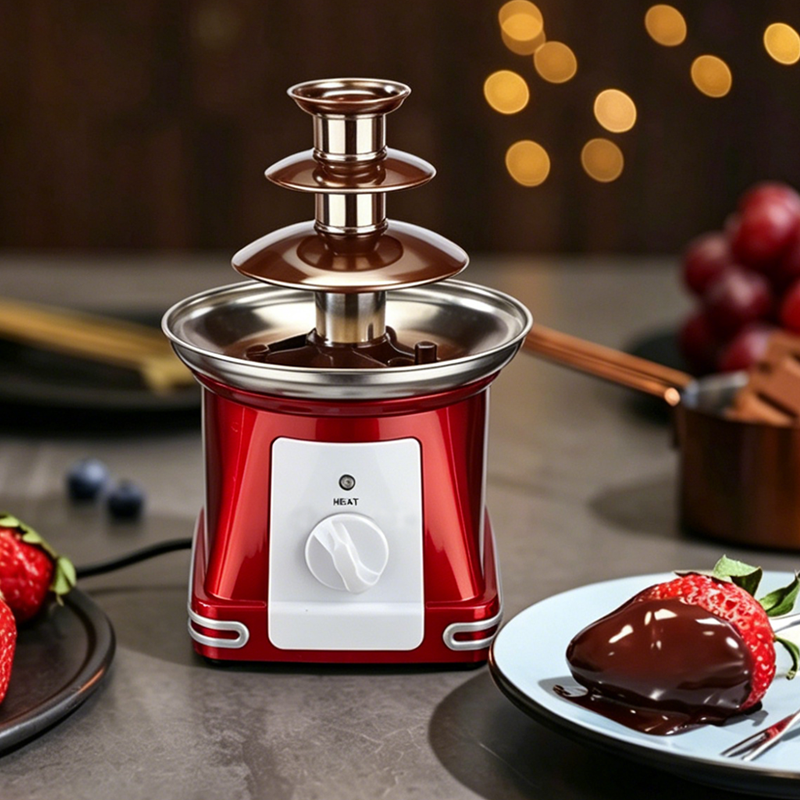
 Chocolate Fountain
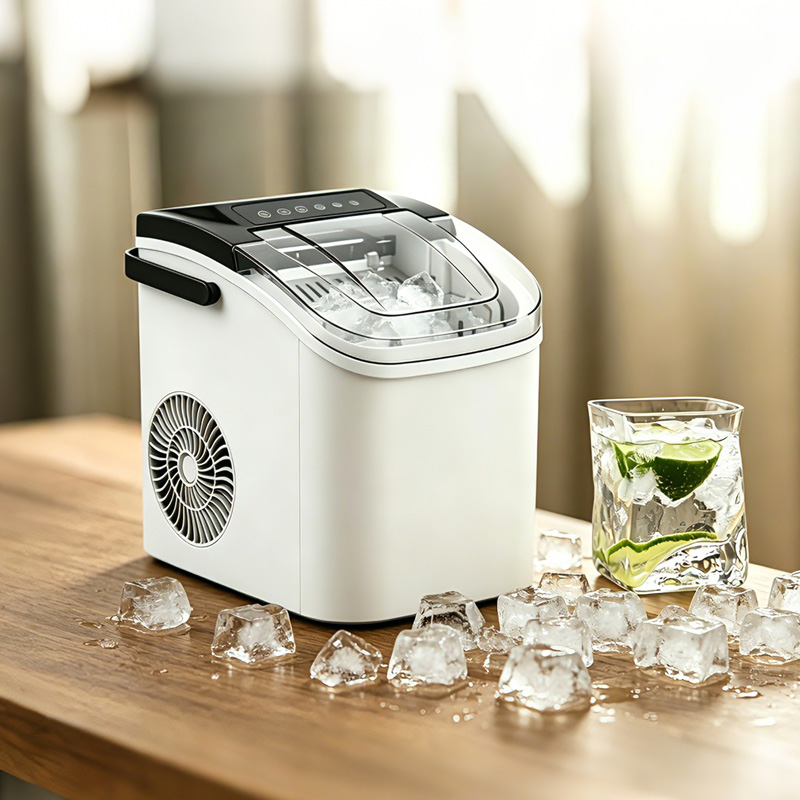
 Ice Maker
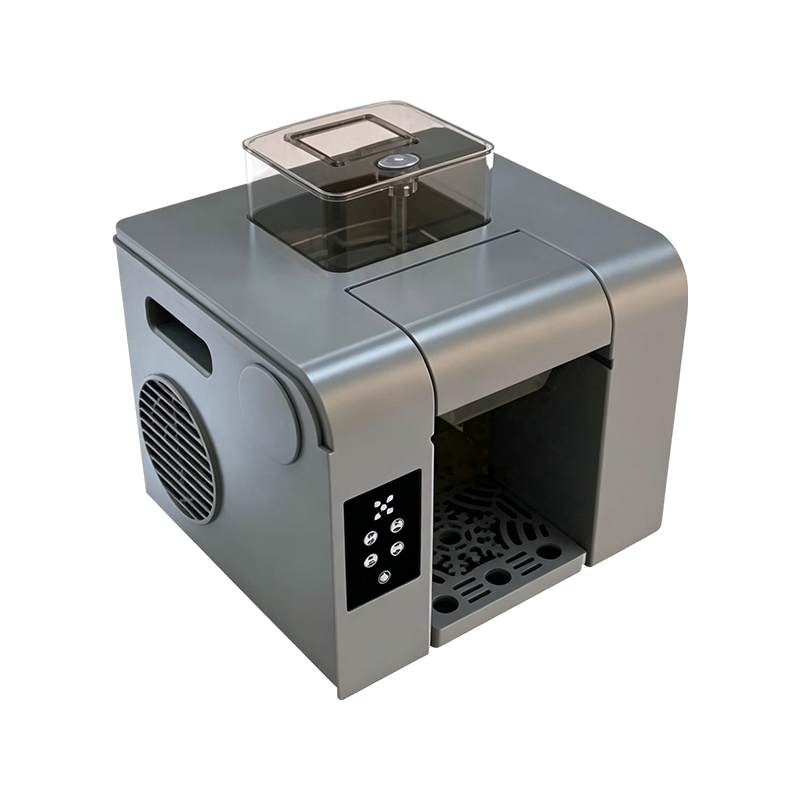
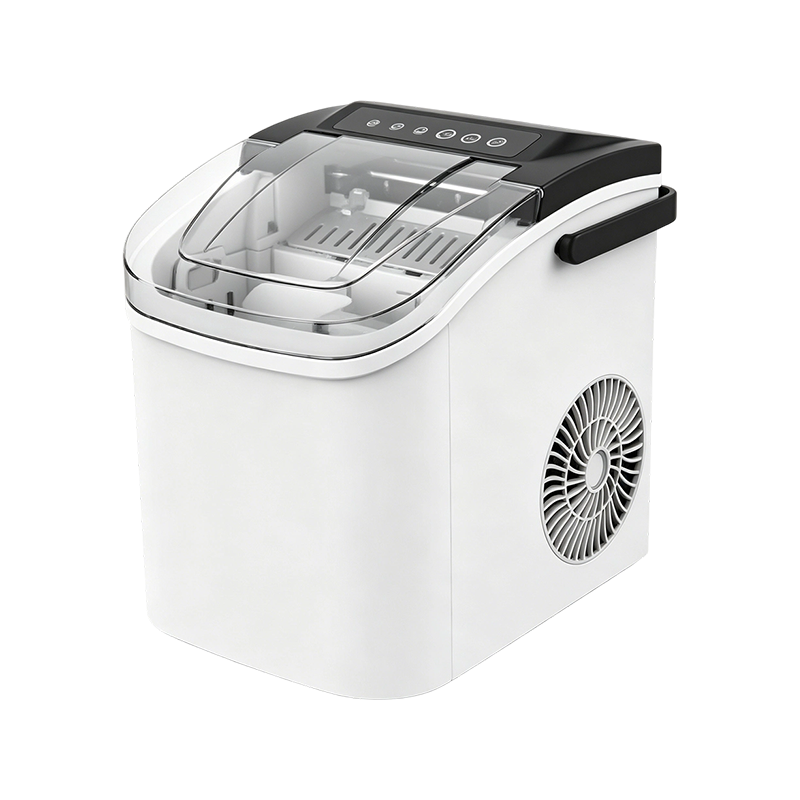
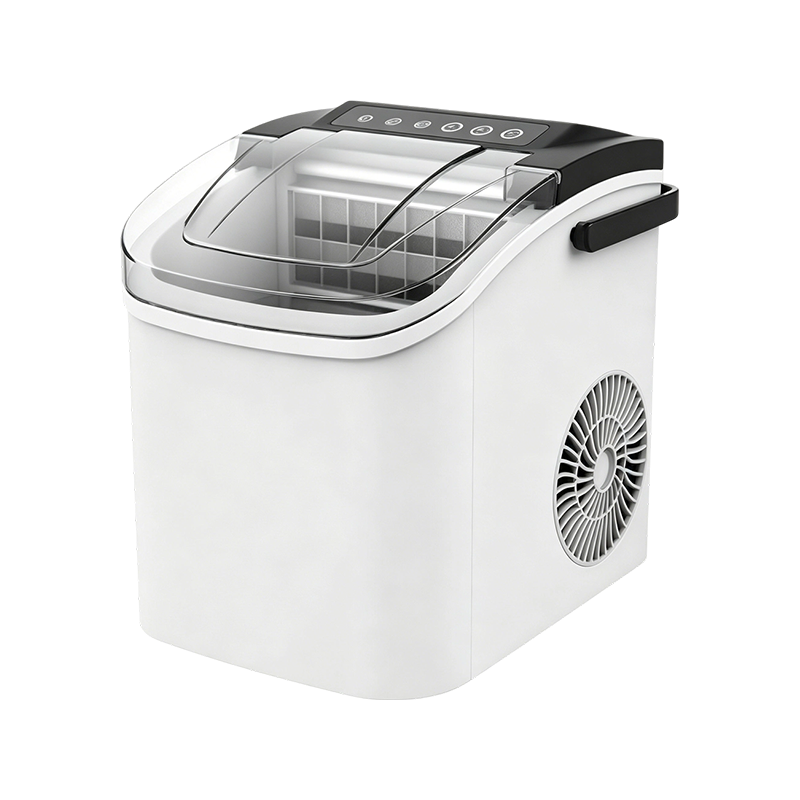
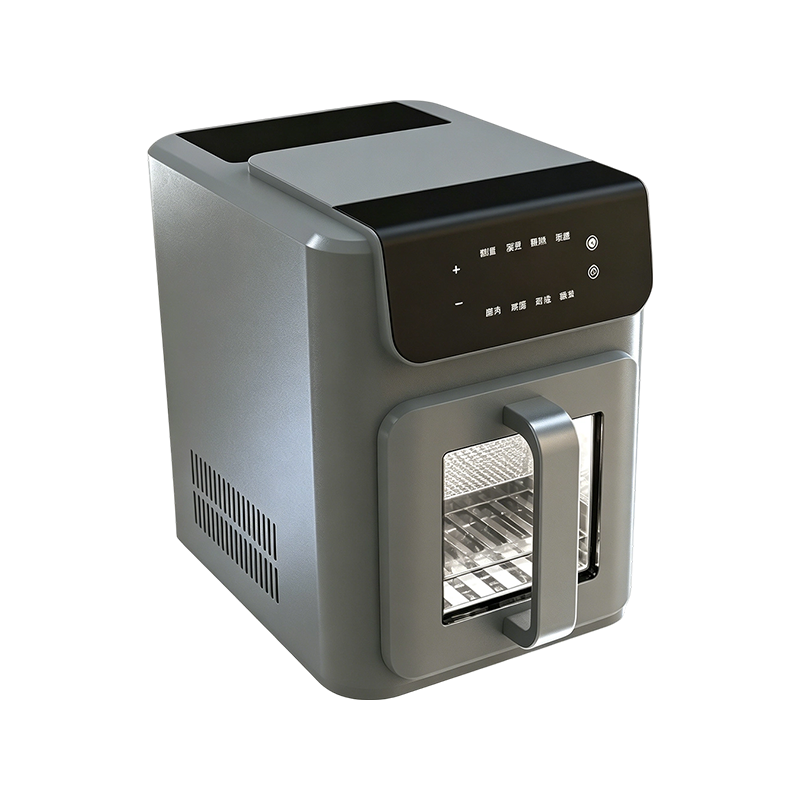
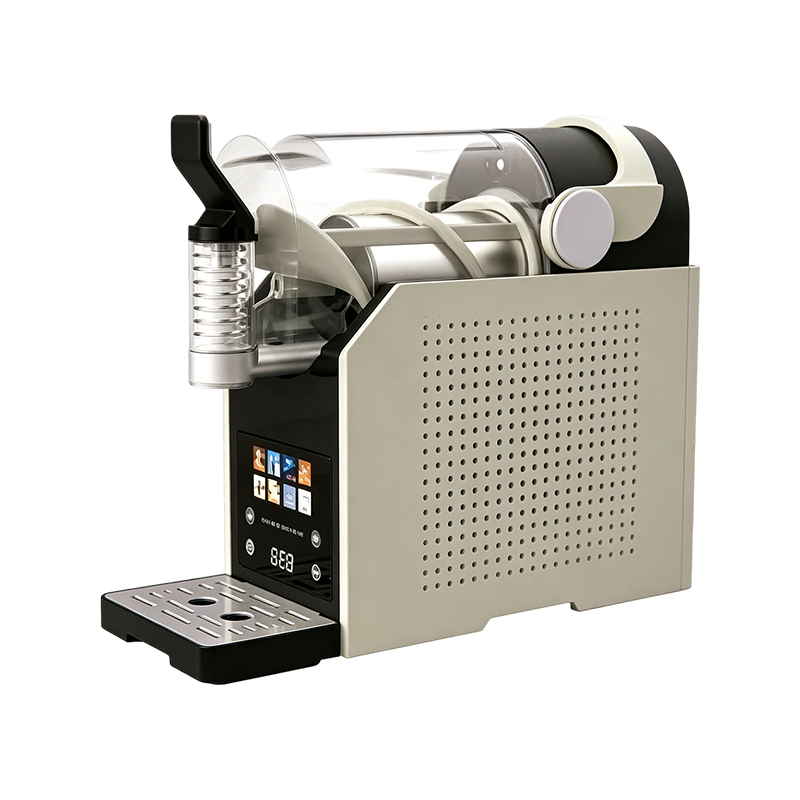
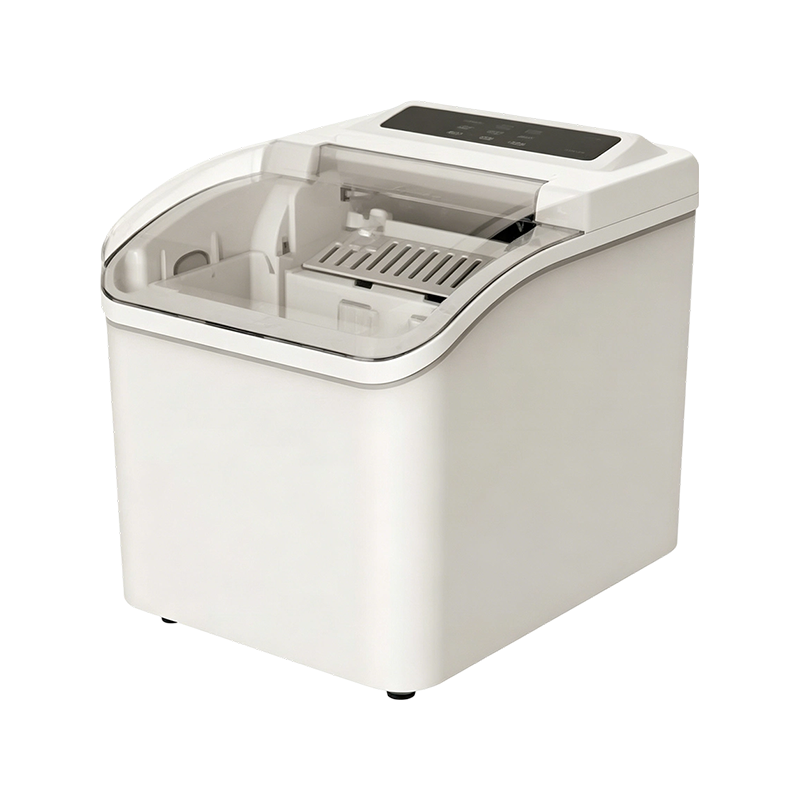
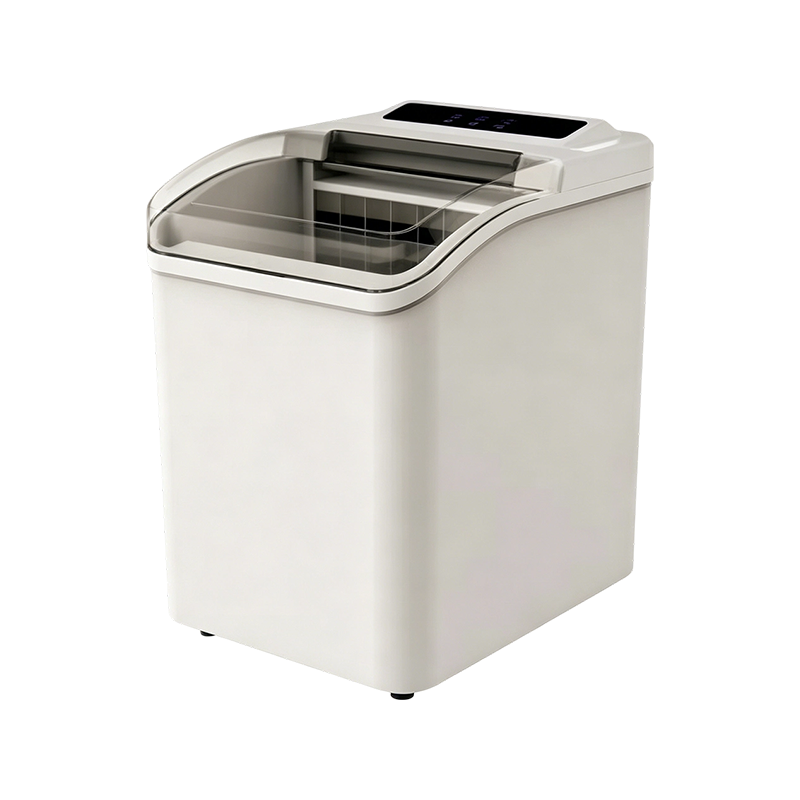
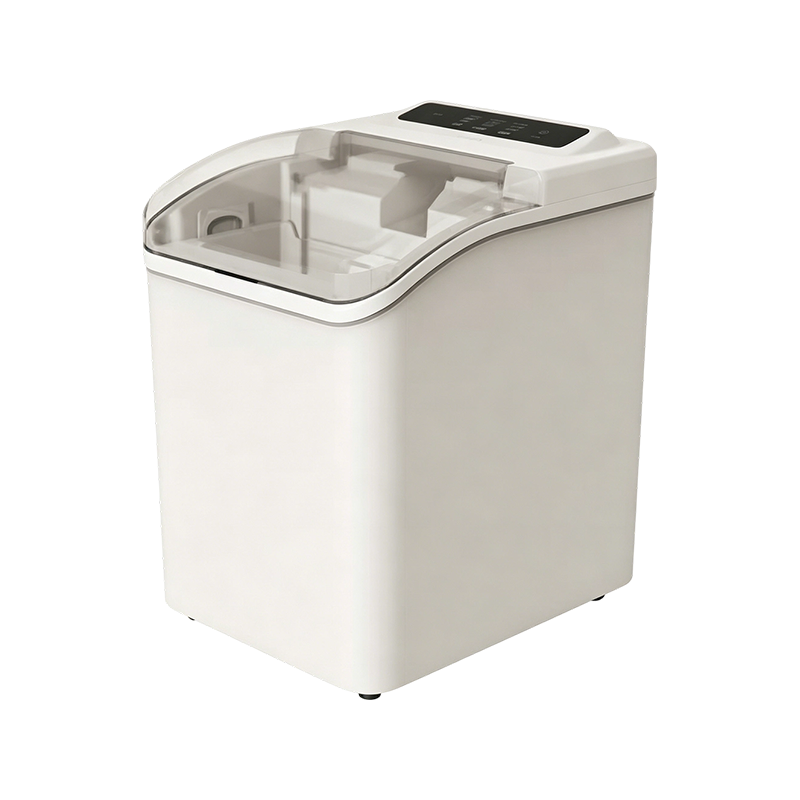
Homease specializes in the research, design, and manufacturing of small home appliances, dedicated to providing practical, stylish, and reliable kitchen appliance solutions for households and commercial customers worldwide.
Cixi Homease Electrical Products Co., Ltd is a China Countertop Ice Maker Manufacturer and Wholesale Countertop Ice Machine Factory, our product portfolio covers a wide range of categories, including popcorn makers, cotton candy machines, air fryers, chocolate fountains, ice makers, slush machines, and milkshake makers. Countertop Ice Maker are widely used in home kitchens, party and entertainment settings, retail channels, and foodservice applications.

Search
Categories
Recommend
Categories
Recommend
-
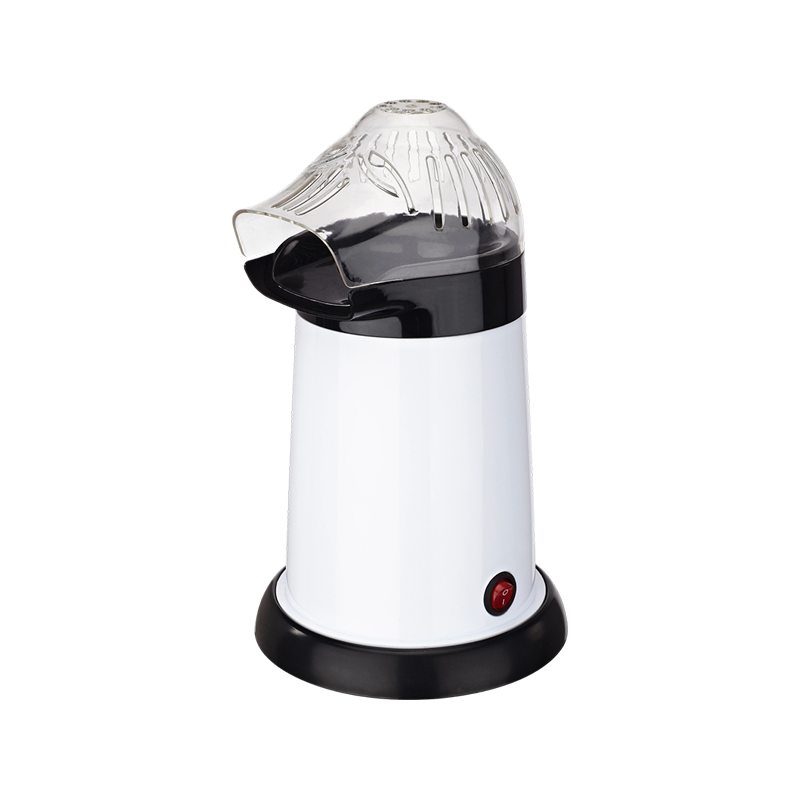 Hot Air Popcorn Maker
 -
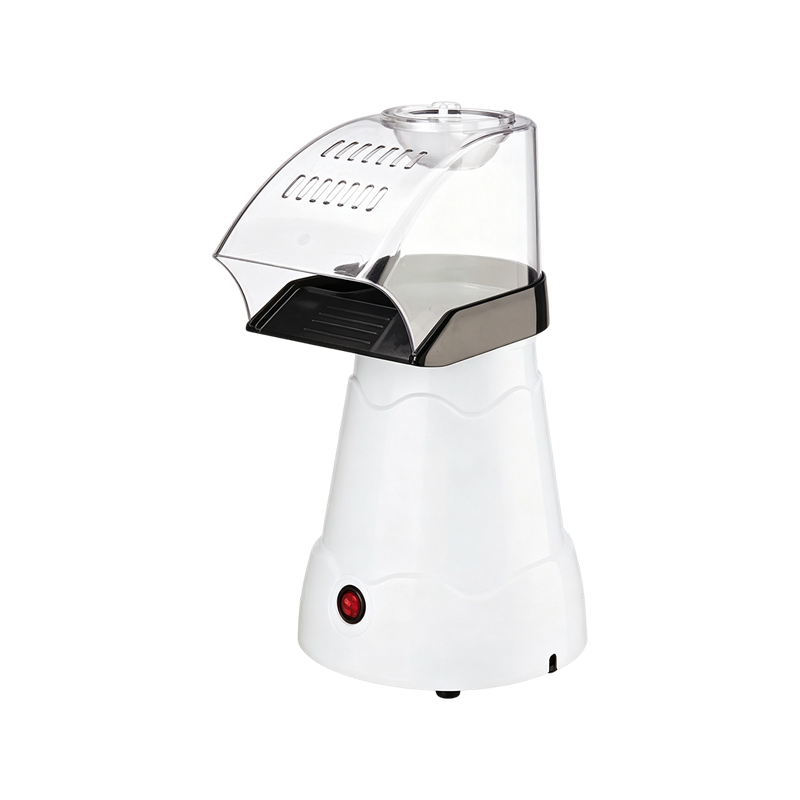 Hot Air Popcorn Maker
 -
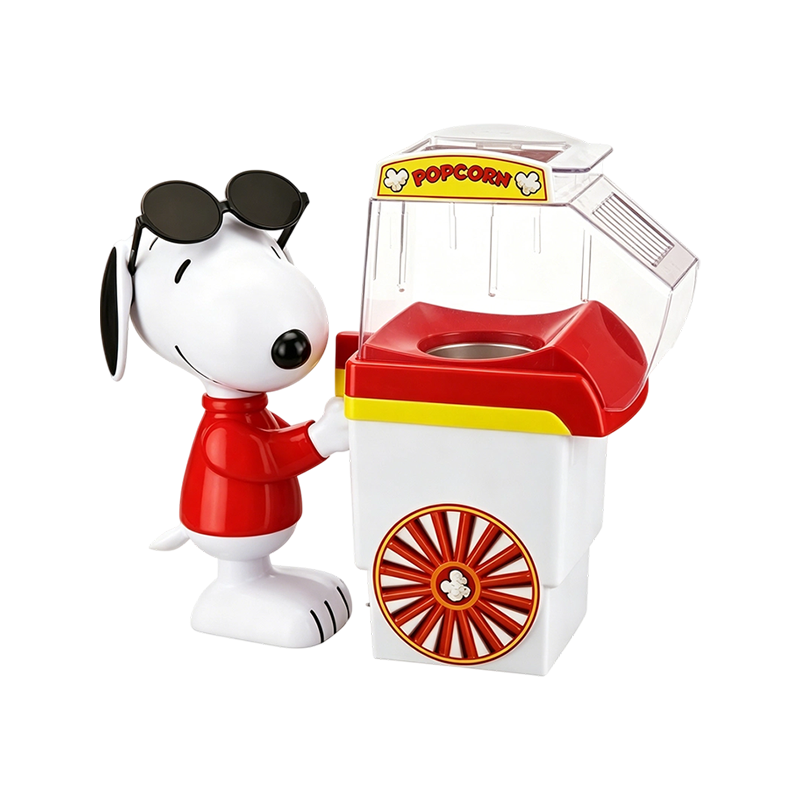 Hot Air Popcorn Maker
Countertop Ice Maker Manufacturer
Showing 1–12 of 8 results
1. Product Classification & Positioning
This is a countertop ice maker designed for home and light commercial use, categorized as a refrigeration small appliance. It leverages a compressor-based refrigeration system to produce ice cubes rapidly, addressing the pain points of slow production and low output associated with traditional freezers. It serves as a convenient ice-making solution for households, small foodservice establishments, and outdoor settings.
2. Applications
Daily Home Use: Ideal for summer beverages, cocktails, iced coffee, and seafood preservation, providing a steady supply of fresh ice on demand.
Light Commercial Settings: Essential for cafes, bubble tea shops, bars, and takeout restaurants to meet high ice demand efficiently and improve order fulfillment speed.
Outdoor & Mobile Lifestyles: Perfect for RVs, camping trips, and small private parties, eliminating the need for bulky commercial ice machines.
Special & Medical Needs: Suitable for cold compress therapy, pet cooling, or temporarily preserving items that require low-temperature conditions.
About Us
Cixi Homease Electrical Products Co., Ltd.
News
-
Picture a Friday evening. The film is queued, the bowls are out, and you tip a level scoop of kernels into the top of a popcorn maker. Ninety seconds later you...
READ MORE -
Two hot air popcorn makers can arrive in identical cartons, carry the same power rating, and still behave nothing alike on a countertop. One clears a full cham...
READ MORE -
Air Fryer Basics: What It Is and Which Size and Type to Choose An air fryer is a compact countertop appliance that uses a heating element and a powerful fan to...
READ MORE -
Popcorn Maker Basics: Which Type Fits Your Use Case A popcorn maker is a small appliance that heats corn kernels until the moisture inside turns to steam and b...
READ MORE
Ice Maker Industry knowledge
Countertop ice makers are compact refrigeration appliances designed to produce ice directly on a kitchen counter, bar top, or service station without requiring a dedicated water line or built-in cabinetry. A countertop ice maker typically completes a full ice-making cycle within six to fifteen minutes, cycling water through a refrigerated mold, plate, or drum to form individual ice pieces that collect in an internal storage bin. Compared with built-in or industrial ice machines, a countertop ice maker occupies a smaller footprint, connects to a standard electrical outlet, and can usually be filled manually or connected to a water supply depending on the model. This category covers several ice formation methods, storage capacities, and control features suited to household kitchens, small commercial spaces, and temporary event setups.
1. Understanding Countertop Ice Makers
(1) Core Function and Purpose
A countertop ice maker converts water into solid ice through a refrigeration cycle that cools a metal mold, plate, or rotating drum below the freezing point of water. Once ice forms on the cooling surface, an internal heating or reverse-cycle mechanism releases the ice, allowing it to drop into a storage bin inside the unit. This cycle repeats continuously while the unit is powered on, with the storage bin typically holding a limited quantity of ice before production automatically pauses. Because the unit operates independently of a building's central refrigeration system in most residential models, it can be placed on a countertop, cart, or bar station wherever a standard electrical outlet is available.
(2) Key Performance Characteristics
Several specifications are commonly compared when evaluating a countertop ice maker, including daily production capacity, cycle time per batch, storage bin volume, water source type, and operating noise level. Production capacity and storage bin volume together determine how much ice remains available between refill or removal intervals. Cycle time affects how quickly the first batch of ice becomes available after the unit is powered on, which matters for time-sensitive settings such as short events. Water source type, whether a built-in reservoir or a connected water line, affects installation flexibility and ongoing water management.
2. Common Types of Countertop Ice Makers
Countertop ice makers are generally classified by the shape and texture of the ice produced, since mold design and freezing method differ between types. The four types described below represent common ice maker categories found in household and small commercial settings.
(1) Bullet Ice
Bullet ice makers form small, cylindrical ice pieces with a hollow center by freezing water around a vertical, finger-like mold. This shape allows relatively fast freezing and even melting, making bullet ice a common choice for everyday beverage cooling in home kitchens and small bars.
(2) Nugget Ice
Nugget ice makers compress small ice flakes into soft, chewable granules using an auger or extrusion mechanism. Because of its soft texture, nugget ice is frequently associated with beverage service and is also used in some healthcare and food-preparation settings where chewable ice is preferred.
(3) Crescent Ice
Crescent, or half-moon, ice makers use a rotating evaporator plate to freeze thin layers of water into curved ice pieces before harvesting them into the storage bin. This method generally supports a higher production rate, which is useful in foodservice environments with continuous ice demand.
(4) Clear Ice
Clear ice makers use a slower, layered freezing process, often involving continuously circulating water, to reduce trapped air bubbles and produce transparent ice. The resulting ice melts more slowly than opaque ice of similar size, a characteristic often used in beverage presentation and hospitality settings.
| Type | Ice Shape | Typical Cycle Time | Common Use |
|---|---|---|---|
| Bullet Ice | Cylindrical, hollow center | 6-10 minutes | Home kitchens, small bars |
| Nugget Ice | Soft, chewable granules | 10-15 minutes | Beverage service, healthcare settings |
| Crescent Ice | Half-moon shaped | 8-12 minutes | Foodservice, high-volume settings |
| Clear Ice | Solid, transparent cubes | 15-24 minutes | Beverage presentation, hospitality |
3. Working Principle and Production Capacity
(1) Refrigeration Cycle Overview
Most countertop ice makers rely on a standard vapor-compression refrigeration cycle, in which a compressor circulates refrigerant through an evaporator to absorb heat from the water-contact surface. As the refrigerant absorbs heat, the water in contact with the mold, plate, or drum drops below freezing and solidifies into ice. A fan-cooled condenser then releases the absorbed heat outside the refrigeration loop, allowing the cycle to repeat. Once a batch of ice reaches the required thickness, sensors or timers trigger a harvest cycle that releases the ice into the storage bin below.
(2) Capacity and Environmental Factors
Ice production capacity is one of the most frequently compared specifications among countertop ice maker types. This capacity is generally measured in kilograms of ice produced within a twenty-four hour period under standard test conditions. Different ice formation methods result in different average production rates due to variations in mold size, cycle time, and drum rotation speed. The chart below presents typical production ranges observed across the four common countertop ice maker types discussed in this article. These figures represent general industry ranges rather than fixed values for any single unit, since actual output varies with ambient temperature, water temperature, and voltage supply.
As shown in the chart, crescent ice makers generally reach the highest production range among the four types, commonly producing close to twenty kilograms of ice per twenty-four hours. Nugget ice makers follow with a moderate production range, reflecting the additional time required to compress and freeze small ice granules into a chewable nugget shape. Bullet ice makers occupy a similar mid-range position, since their cylindrical mold shape allows relatively fast freezing compared with larger or more compacted ice forms. Clear ice makers typically show the lowest production range on this chart, which corresponds to the slower, layered freezing process required to remove trapped air and produce transparent ice. This inverse relationship between ice clarity and production speed is a defining characteristic across the countertop ice maker category. Buyers who prioritize higher-volume output within a short period often consider crescent or bullet ice configurations rather than clear ice models. Conversely, settings where visual presentation matters more than speed, such as beverage service in hospitality environments, may accept the lower output of a clear ice maker in exchange for slower-melting, more transparent ice. It is also worth noting that stated production figures are usually based on a specific ambient temperature, commonly around twenty-one degrees Celsius, and a specific water temperature. Operating a countertop ice maker outside these reference conditions, particularly in warmer environments, generally reduces the actual production rate below the labeled figure. For this reason, the values in this chart should be treated as reference points for comparing relative capacity between types rather than fixed daily output under all conditions. Storage bin size is a separate but related specification, since a machine with high production speed but a small storage bin may still require frequent ice removal to avoid overflow or melted runoff.
Ambient temperature is one of the environmental factors with the greatest influence on countertop ice maker performance. Most compressor-based ice makers are designed and rated around a specific ambient temperature range, commonly between eighteen and twenty-five degrees Celsius. When room temperature rises above this design range, the compressor and condenser must work under higher thermal load, which reduces heat rejection efficiency. The following line chart illustrates a general, representative relationship between rising ambient temperature and relative ice production efficiency. This relationship applies broadly across compressor-based countertop ice makers, regardless of the specific ice shape produced.
The line in this chart trends downward as ambient temperature increases from ten to forty degrees Celsius, showing a gradual decline in relative production efficiency. At lower ambient temperatures, around ten to twenty degrees Celsius, relative efficiency remains at or slightly above the reference baseline of one hundred percent. Between twenty and thirty degrees Celsius, efficiency declines at a moderate pace as the compressor begins to work harder to maintain the target evaporator temperature. Once ambient temperature exceeds thirty degrees Celsius, the decline becomes steeper, reflecting reduced heat dissipation capacity in warmer surrounding air. By forty degrees Celsius, relative efficiency on this chart drops to roughly sixty percent of the reference baseline, illustrating a meaningful reduction in ice output under hot conditions. This pattern explains why countertop ice makers installed near ovens, direct sunlight, or poorly ventilated areas tend to produce less ice than the same unit placed in a temperature-controlled room. Adequate spacing around the unit, typically several centimeters on each side, allows heat generated by the condenser to disperse rather than recirculate back into the intake air. Water temperature entering the unit also interacts with this effect, since warmer incoming water requires additional cooling time before it can form ice within the mold or drum. In commercial kitchens or outdoor event settings where ambient temperature is harder to control, selecting a unit with a higher rated capacity can help offset expected efficiency losses. Regular cleaning of the condenser coil, discussed later in this article, also helps maintain closer-to-rated efficiency by preventing dust buildup from further reducing heat exchange. Overall, ambient temperature should be considered alongside stated production capacity when comparing countertop ice maker specifications for a specific installation location.
4. Application Scenarios and Selection Points
(1) Typical Application Settings
Countertop ice makers are used across a range of household and commercial settings, each with different capacity and duty-cycle requirements. Understanding how this category is typically applied helps clarify which specifications matter most for a given use case. The chart below presents a general distribution of common application settings associated with countertop ice makers. These proportions are illustrative rather than derived from a single survey, and actual distribution varies by region and market segment. Reviewing this distribution alongside the capacity and comparison information above provides a more complete picture of where this equipment category fits.
Household use represents the largest share in this illustration, consistent with the growing presence of compact countertop ice makers in home kitchens, home bars, and outdoor patio setups. Foodservice applications, including small restaurants, coffee shops, and catering operations, make up the second-largest share shown in the chart. In these settings, a countertop ice maker often supplements a larger built-in ice machine or serves as a standalone unit in smaller establishments where space limits a full commercial installation. Retail and convenience applications appear as a smaller but consistent share, reflecting use in self-service beverage stations, small grocery counters, and similar point-of-sale environments. Event and rental applications make up the remaining share, covering temporary setups such as parties, weddings, and outdoor gatherings where portable ice production is often more convenient than transporting bagged ice. Across all four segments, portability and standard electrical connection remain common reasons for selecting a countertop ice maker over a built-in or industrial alternative. Household users generally prioritize compact dimensions and quiet operation, since the unit often sits on a kitchen counter or near a seating area. Foodservice operators tend to place more weight on production capacity and recovery time between cycles, particularly during peak service hours. Retail and convenience settings often value consistent ice shape and storage bin insulation, since ice may sit in the bin for extended periods between refills. Event and rental use cases typically prioritize water flexibility, such as the ability to operate from a built-in reservoir without a permanent water line connection. These differing priorities across application segments directly inform the selection considerations discussed below.
(2) Selection Considerations
Selecting a suitable countertop ice maker generally involves reviewing the following factors together rather than any single specification in isolation.
- Required daily ice volume relative to expected usage frequency
- Available counter or floor space, including clearance for ventilation
- Water source type, such as a built-in reservoir or a direct water line connection
- Acceptable noise level for the installation environment
- Preferred ice shape based on intended use, such as beverage service or food display
Manufacturers such as Cixi Homease Electrical Products Co., Ltd, which produces countertop ice makers alongside other small kitchen appliances including air fryers, popcorn makers, and slush machines, generally publish capacity and dimension specifications for each model to support this type of comparison. Reviewing these specifications against the selection factors above helps narrow the range of suitable ice maker types before comparing individual models in further detail.
5. Multi-Attribute Comparison of Ice Maker Types
(1) Performance Radar Comparison
No single countertop ice maker type performs strongest across every measurable attribute, which makes multi-attribute comparison useful during selection. The radar chart below compares four common ice maker types across five attributes relevant to most buyers. These attributes include production speed, ice clarity, noise control, footprint efficiency, and maintenance ease. Each attribute is rated on a relative scale, with a larger area on a given axis indicating stronger relative performance for that specific attribute. This comparison is intended to support relative decision-making rather than to rank one ice maker type as universally suitable for every situation.
On the production speed axis, crescent ice makers extend furthest outward, consistent with the higher production range shown earlier in this article. Clear ice makers extend the least on the production speed axis, reflecting the longer freezing cycle required for transparent ice formation. On the ice clarity axis, this pattern reverses, with clear ice makers extending furthest and nugget ice makers showing the shortest extension. Noise control ratings remain relatively close across all four types, though bullet and clear ice makers tend to extend slightly further due to simpler internal mechanisms with fewer moving parts. Footprint efficiency, which reflects how compact a unit is relative to its output, favors bullet and clear ice makers over crescent ice makers in this comparison. Crescent ice makers generally require a larger evaporator plate to achieve their higher production speed, which can result in a larger overall unit footprint. Maintenance ease scores are highest for bullet ice makers in this comparison, since their simpler mold structure is generally easier to access and clean during routine maintenance. Clear ice makers score lower on maintenance ease, as their layered freezing process often involves additional water circulation components that require more frequent inspection. Viewing all five axes together, bullet ice makers show a relatively balanced shape across attributes, without extreme strength or weakness in any single area. Clear ice makers show a more uneven shape, combining a strong ice clarity score with a comparatively weaker production speed and maintenance ease score. This type of multi-attribute view is useful when no single specification, such as capacity alone, fully captures the trade-offs relevant to a specific installation.
(2) Choosing Based on Priorities
Buyers who prioritize speed and volume generally find crescent or bullet ice types more suitable for continuous, high-demand settings. Those prioritizing visual clarity for beverage presentation may accept the slower cycle of a clear ice maker in exchange for slower-melting, transparent ice. Settings with strict space constraints, such as small bar carts or compact kitchens, often favor bullet or clear ice types due to their comparatively smaller footprint. Where maintenance time is limited, bullet ice makers offer a simpler mold structure that is generally faster to clean during routine service.
6. Maintenance Guidance
(1) Routine Cleaning
- Turn off and unplug the unit before beginning any cleaning procedure.
- Remove and empty the water reservoir and ice storage bin.
- Wipe interior surfaces with a mild water and vinegar or manufacturer-recommended cleaning solution.
- Rinse all surfaces thoroughly with clean water to remove cleaning residue.
- Dry interior components before refilling the reservoir and restarting the unit.
(2) Water Quality and Filtration
Water hardness directly affects long-term ice maker performance, since dissolved minerals such as calcium and magnesium can accumulate as scale on the evaporator surface over time. This mineral buildup gradually reduces heat transfer efficiency and can extend cycle time or reduce ice clarity in clear ice models. Using filtered or softened water where available generally reduces the rate of scale formation and supports more consistent ice production between descaling procedures.
(3) Long-Term Storage
When a countertop ice maker will not be used for an extended period, draining the water reservoir and internal lines helps prevent standing water from developing odor or supporting bacterial growth. The interior should be dried completely before closing the unit for storage. Storing the unit in a dry, ventilated location away from direct sunlight helps protect external housing materials and internal components until the unit is used again.
7. Frequently Asked Questions
(1) What is the difference between a countertop ice maker and a built-in ice machine?
A countertop ice maker is a self-contained unit that can generally be placed on any flat surface near a standard electrical outlet, often using a built-in water reservoir rather than a permanent plumbing connection. A built-in ice machine is typically installed as a fixed cabinet unit connected to a dedicated water line and drain, and is generally designed for continuous, higher-volume ice production in a fixed location.
(2) How much water does a countertop ice maker need to produce ice?
Water requirements vary by model and production capacity, but most countertop ice makers use a built-in reservoir that is refilled manually as needed. Some models can alternatively connect to a water line for automatic refilling, reducing the need for manual water top-ups during continuous use.
(3) Why does a countertop ice maker sometimes produce smaller or misshapen ice pieces?
Ice shape and size can be affected by water level in the reservoir, ambient or water temperature, and mineral buildup on the freezing surface. Low water levels or scale accumulation are common reasons for irregular ice formation, and addressing these factors through routine cleaning and adequate water supply generally restores expected ice shape.
(4) How often should the internal components of a countertop ice maker be cleaned?
Cleaning frequency depends on water quality and usage intensity, though many manufacturers recommend cleaning the reservoir and interior surfaces on a regular schedule, such as every one to two weeks for frequent use, and more often in areas with harder water.
(5) Can a countertop ice maker operate continuously without a drain connection?
Most countertop ice makers without a dedicated drain connection rely on a self-contained reservoir, which requires periodic manual draining or refilling as the ice-to-water cycle continues. Continuous operation without any water management is generally not practical for reservoir-based models, since water levels naturally decrease as ice is produced.
Get in Touch
Your email address will not be published.
Required fields are marked *
Required fields are marked *
contact us
Have a project in mind?
Contact with us
Contact with us
We are happy to answer your questions. Please fill out this form
and one of our professional team will get back to you as soon as possible.
and one of our professional team will get back to you as soon as possible.
-
Company AddressNO.212 Qiaotou Road, Qiaotou Town, Cixi City Zhejiang Province
-
Tel:+86-574-63032602/63032605/63032682/63032681
-
E-mail:homease@homease.com.cn
huajun_sam@homease.com.cn
jayden@homease.com.cn
sunny@homease.com.cn
Copyright © Cixi Homease Electrical Products Co., Ltd. All Rights Reserved. Countertop Ice Maker Manufacturer Wholesale Countertop Ice Machine Factory
