
 中文简体
中文简体 русский
 Français
 Español
 Português
 Deutsch
 عربى
عربى italiano
 Türk
Türk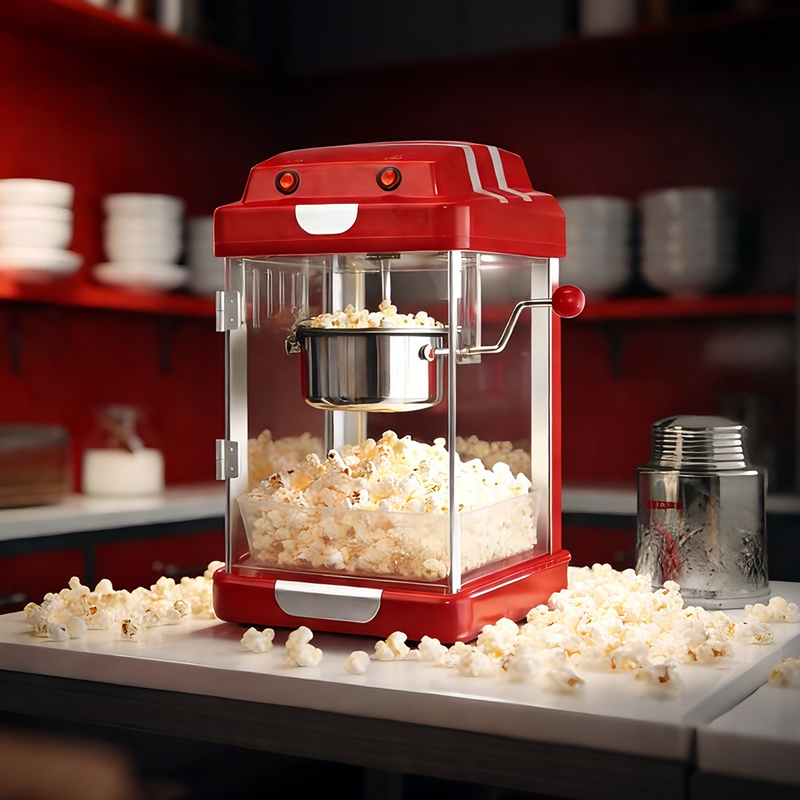
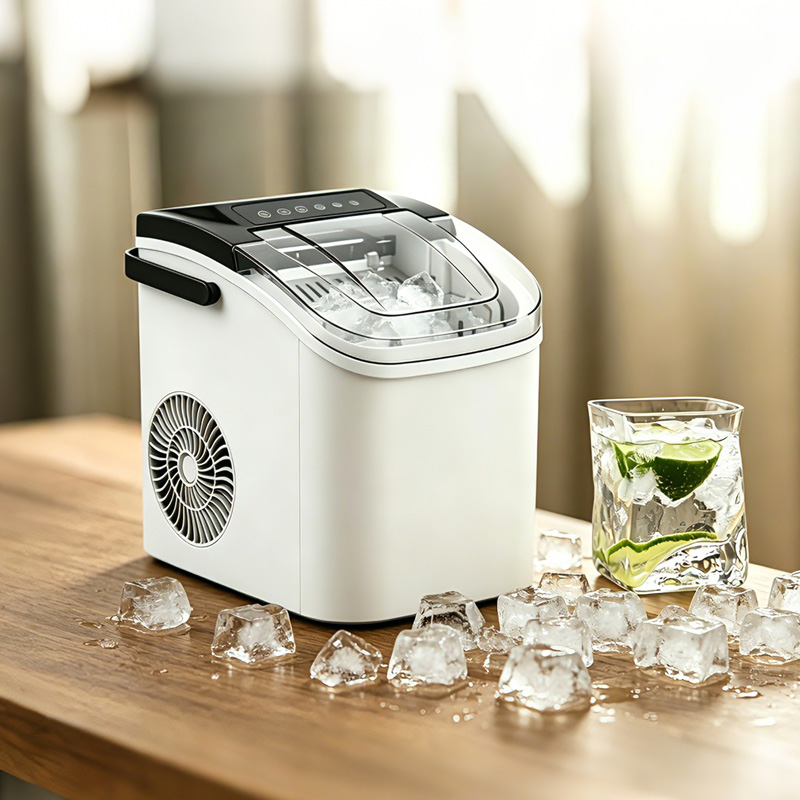
 Popcorn Maker
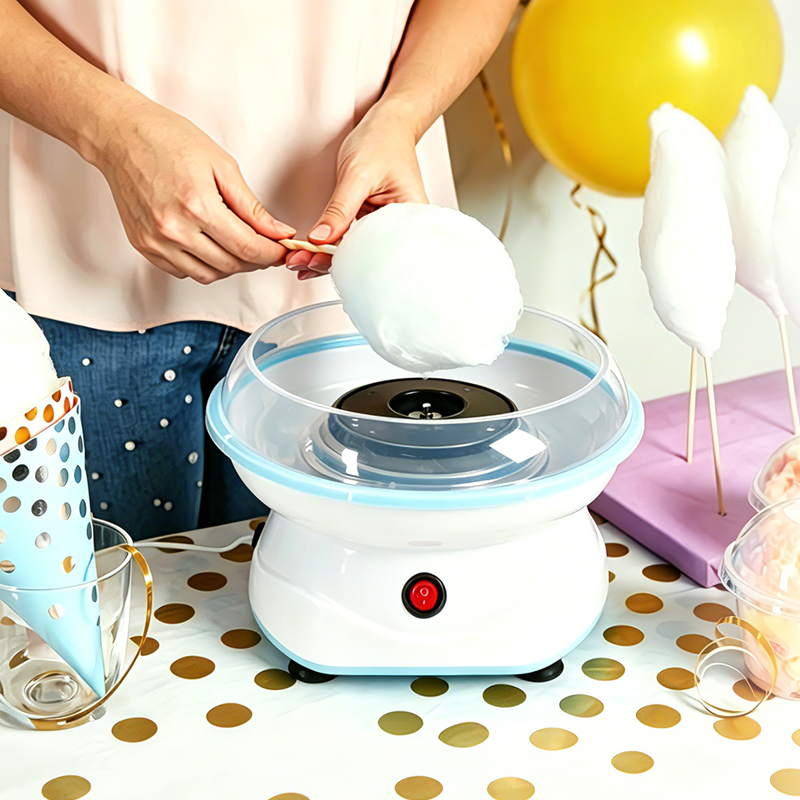
 Cotton Candy Maker
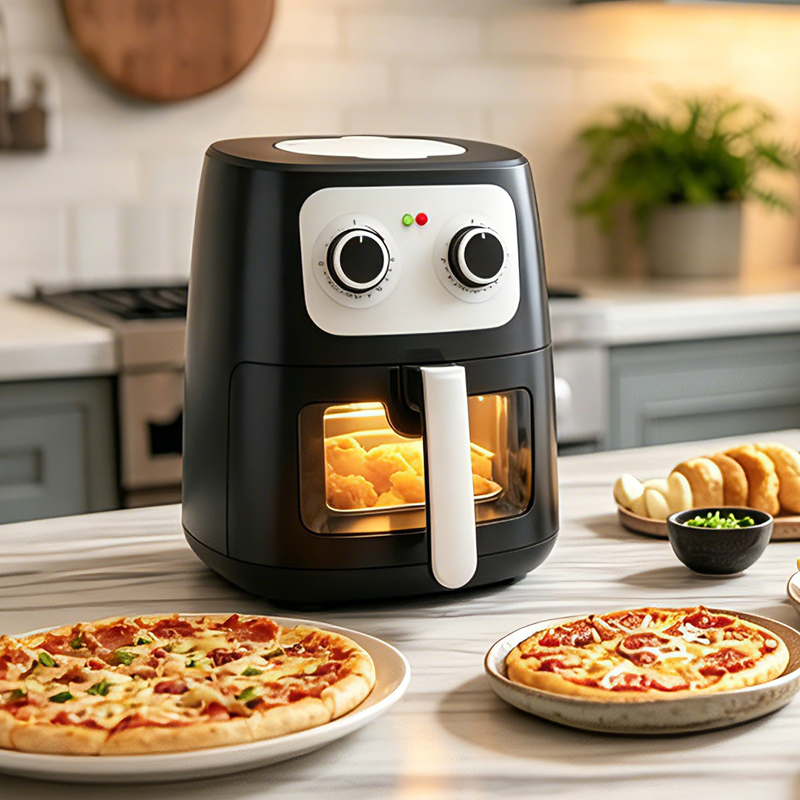
 Air Fryer
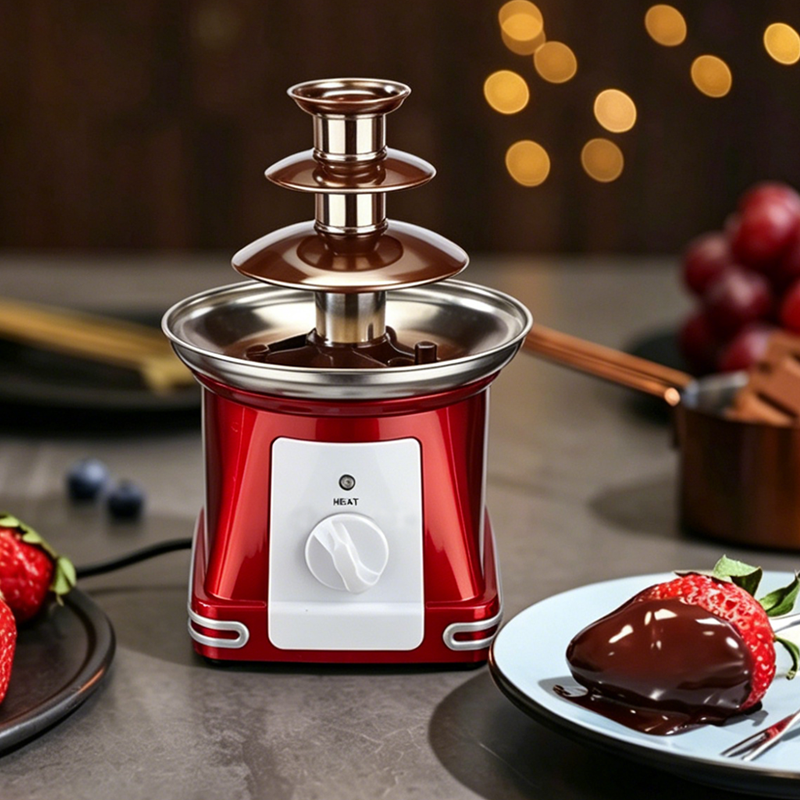
 Chocolate Fountain
 Ice Maker
Homease specializes in the research, design, and manufacturing of small home appliances, dedicated to providing practical, stylish, and reliable kitchen appliance solutions for households and commercial customers worldwide.
Cixi Homease Electrical Products Co., Ltd is a China Electric Air Fryer Manufacturer and Wholesale Countertop Air Frye Factory, our product portfolio covers a wide range of categories, including popcorn makers, cotton candy machines, air fryers, chocolate fountains, ice makers, slush machines, and milkshake makers. Electric Air Fryer are widely used in home kitchens, party and entertainment settings, retail channels, and foodservice applications.

Search
Categories
Recommend
Categories
Recommend
-
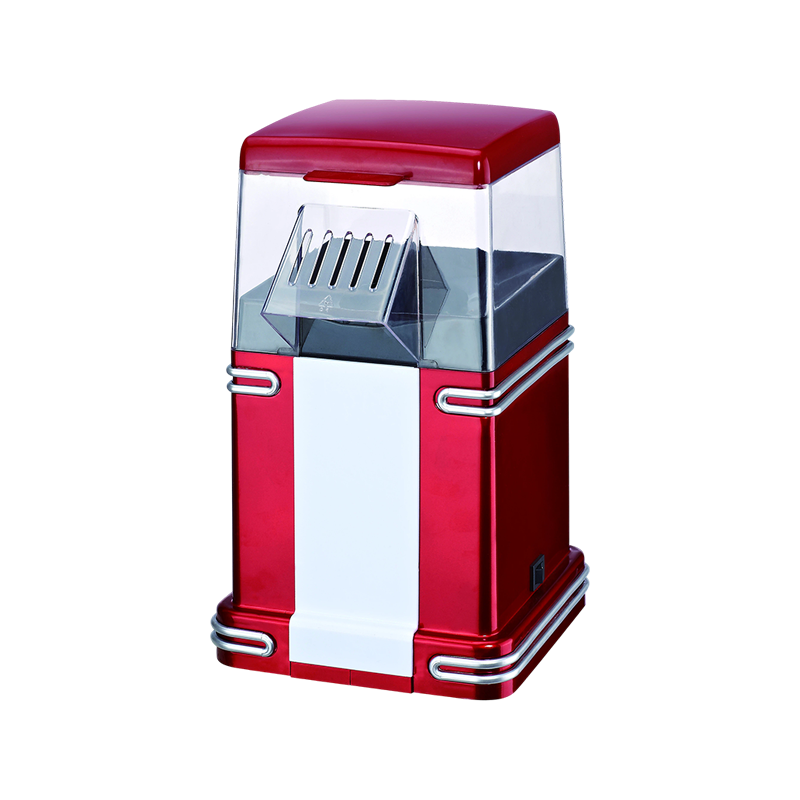 Hot Air Popcorn Maker
 -
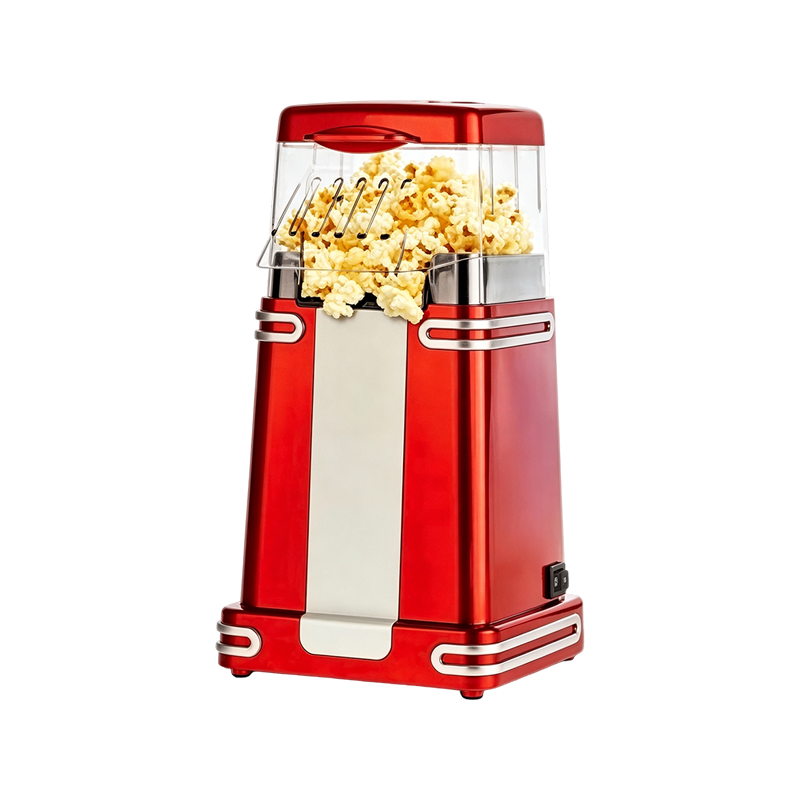 Hot Air Popcorn Maker
 -
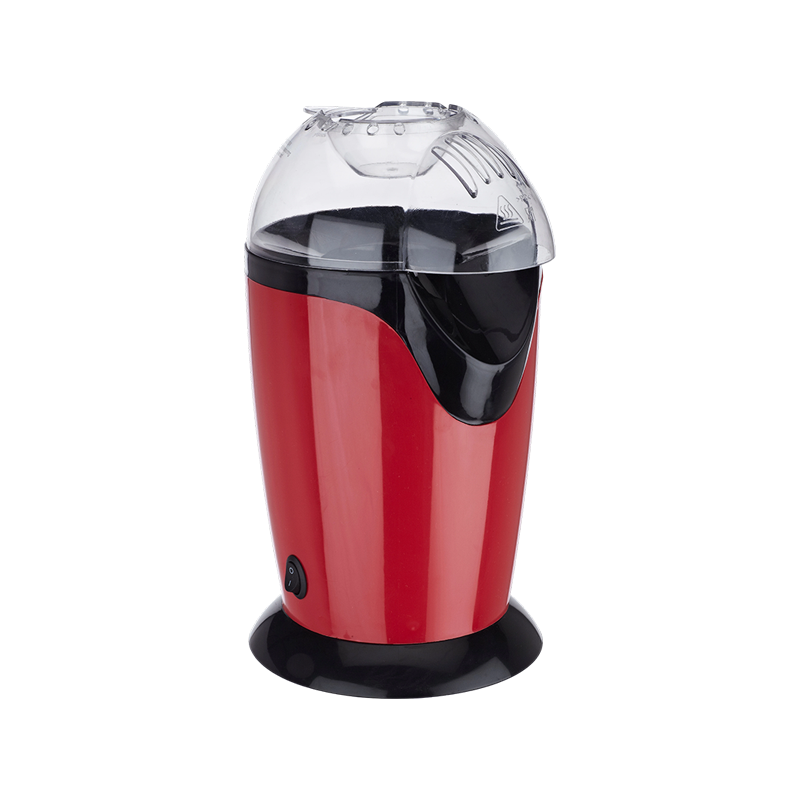 Hot Air Popcorn Maker
Electric Air Fryer Manufacturer
Showing 25–36 of 86 results
-
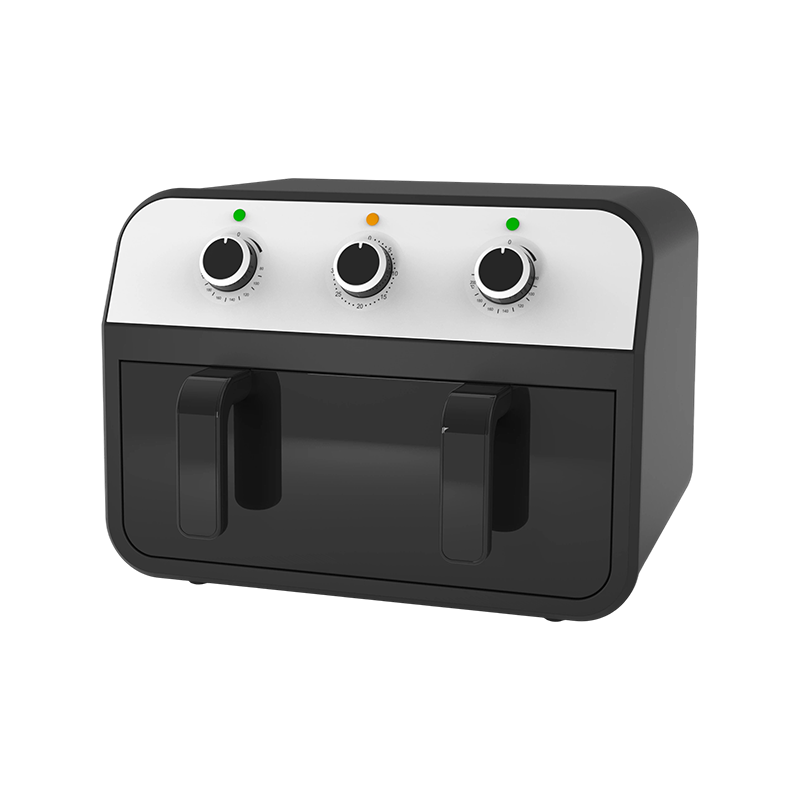 Air Fryer AF-9002S High-Power Mechanical Air Fryer
 -
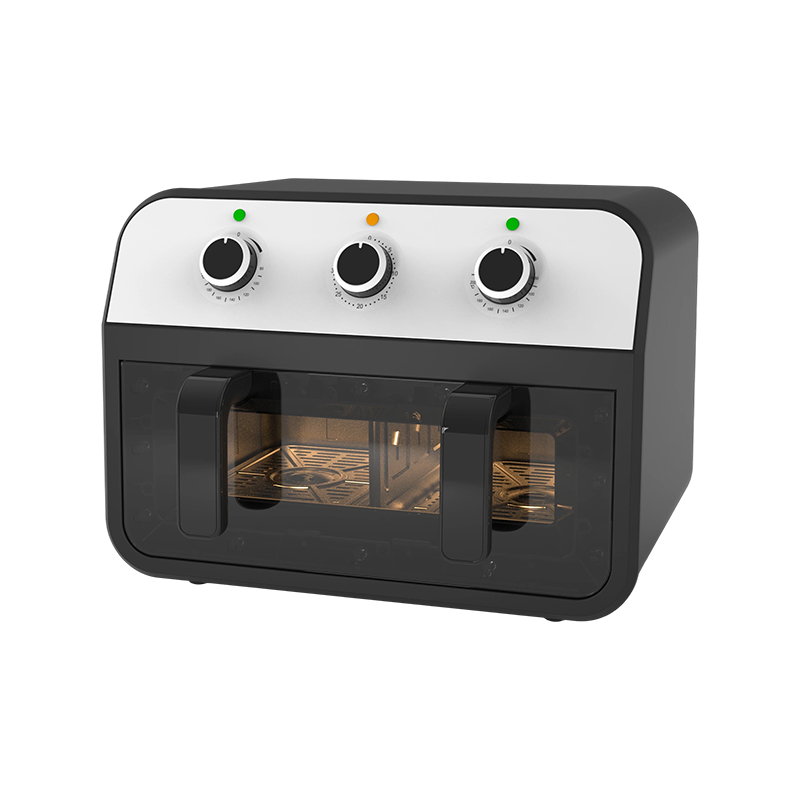
-
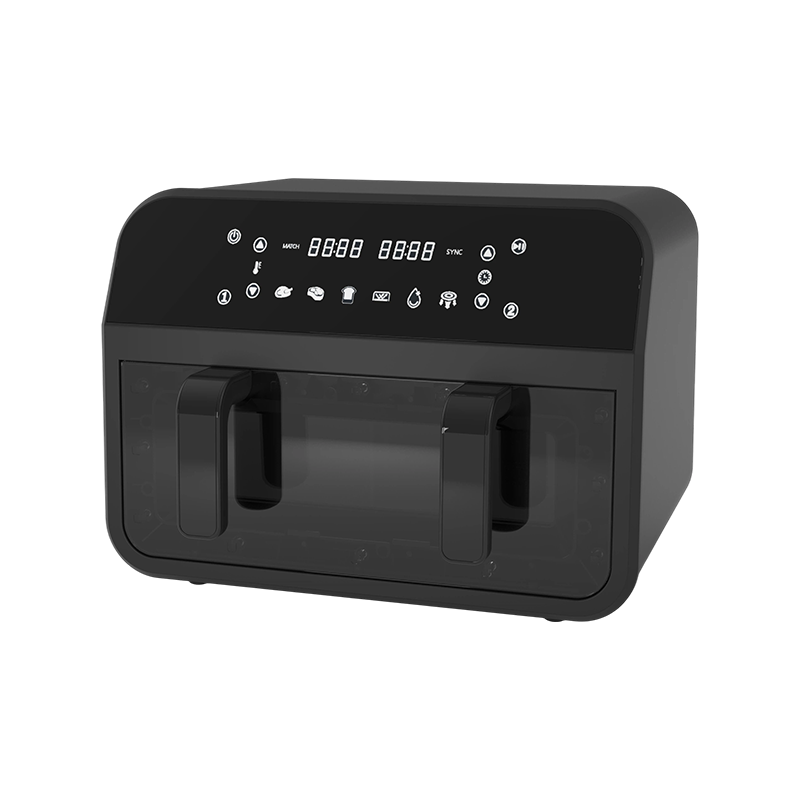 Air Fryer AF-9002HD Smart Logic Digital Air Fryer
 -
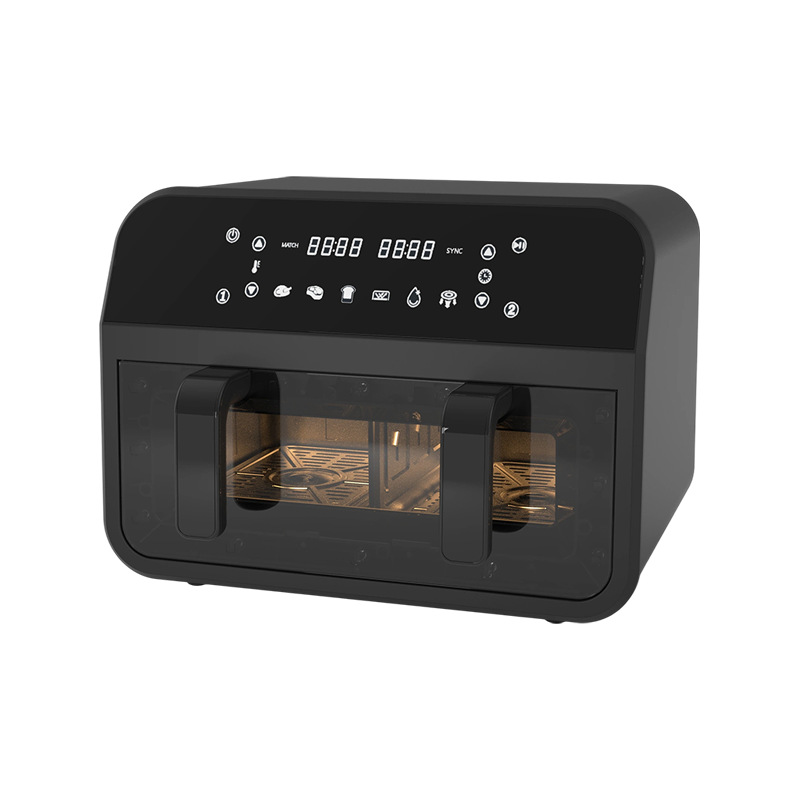
-
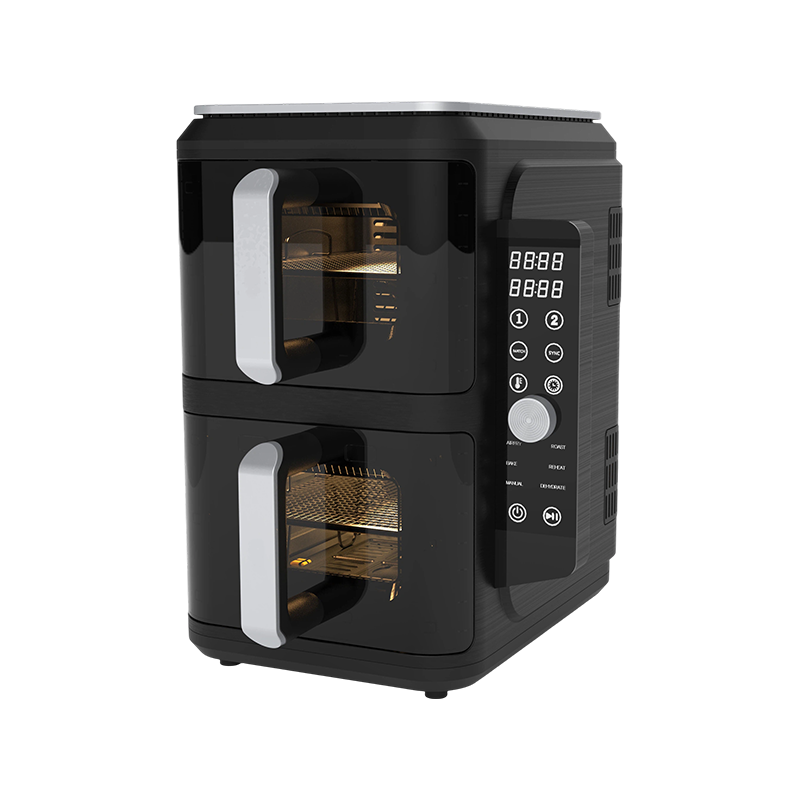 Air Fryer AF-2-5252HDV Vertical Duo Air Oven
 -
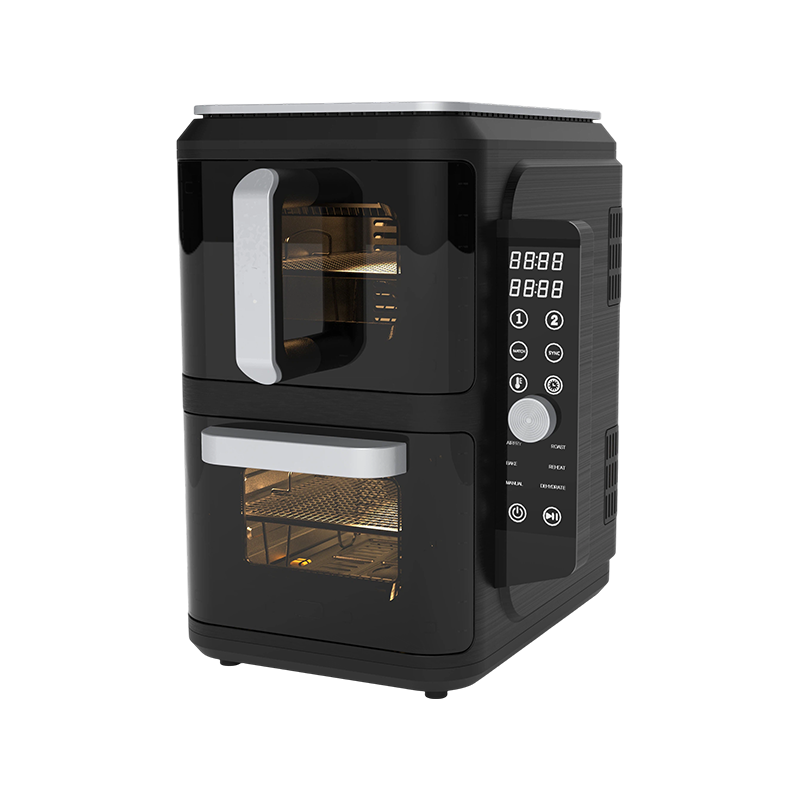 Air Fryer AF-2-5265HDV Vertical Pro Air Oven
 -
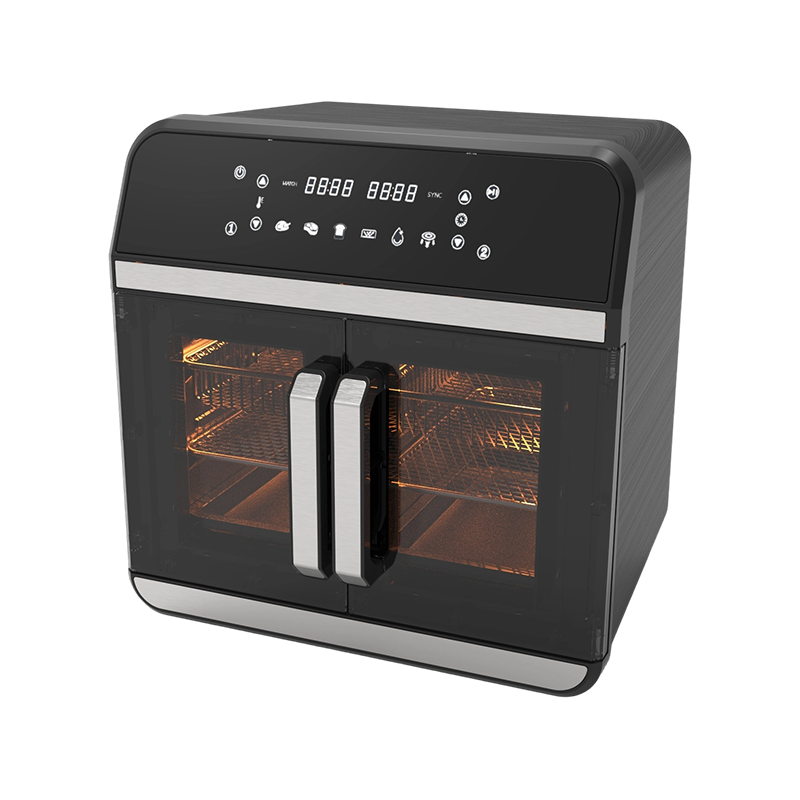 Air Fryer AF-15MHDV French Door Air Oven
 -
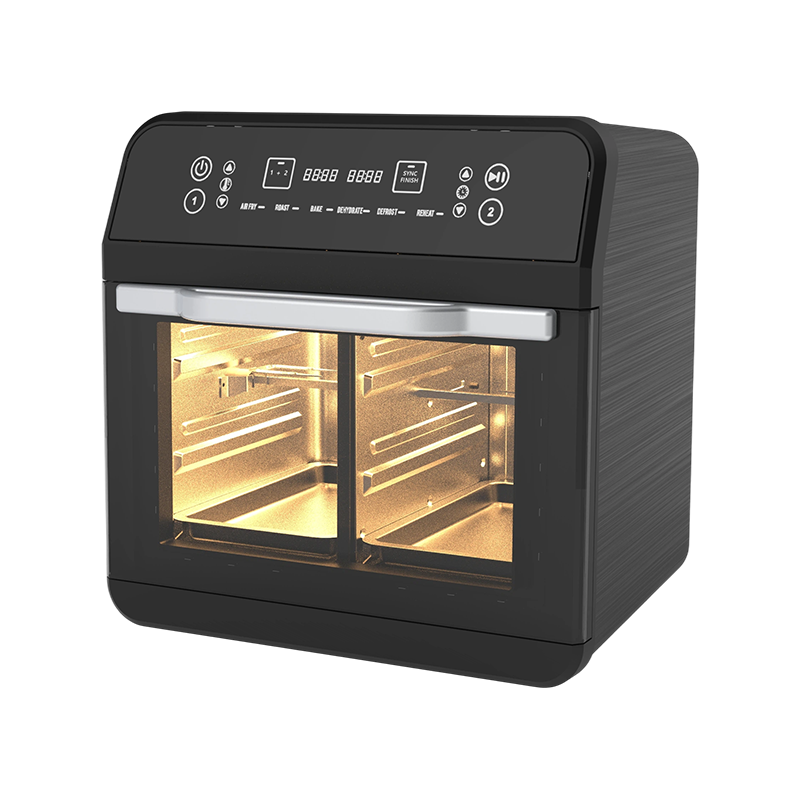 Air Fryer AF-15MHDV-1 French Door Pro Air Oven
 -
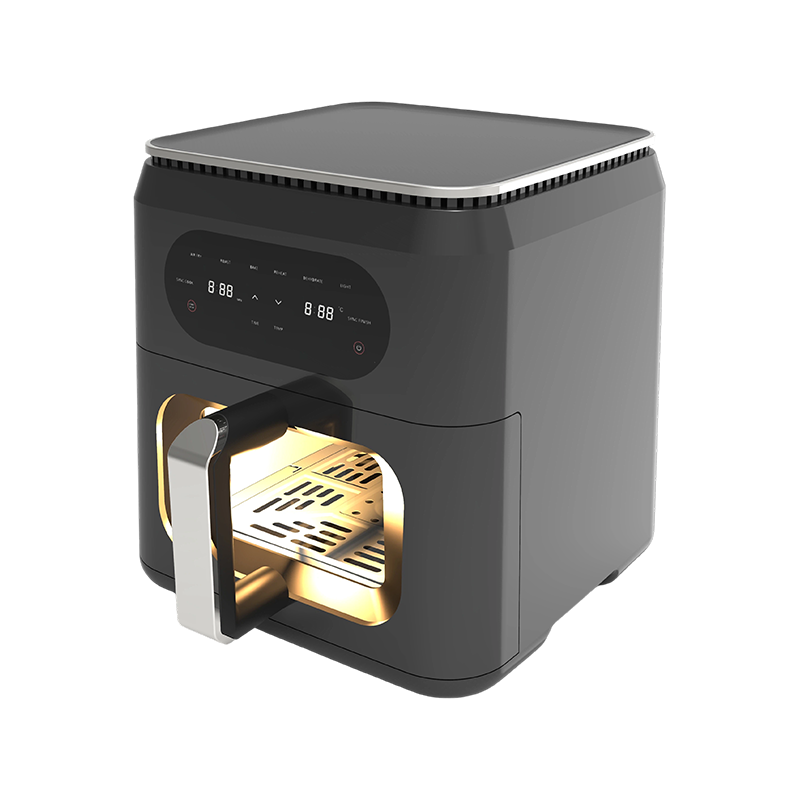 Air Fryer AF-6504DV Compact Single Air Fryer
 -
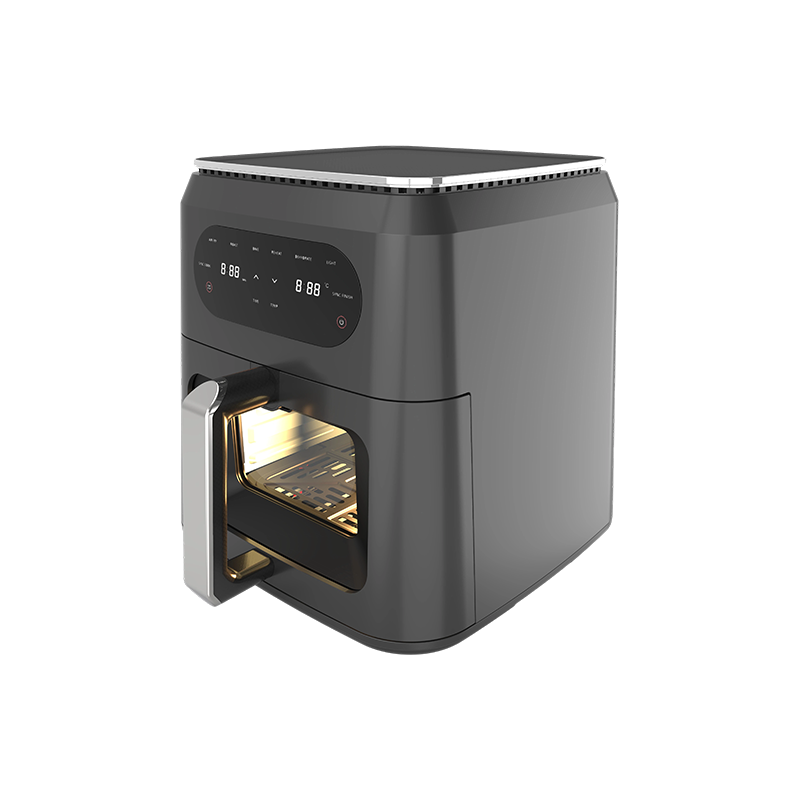 Air Fryer AF-8504DV Compact Pro Air Fryer
 -
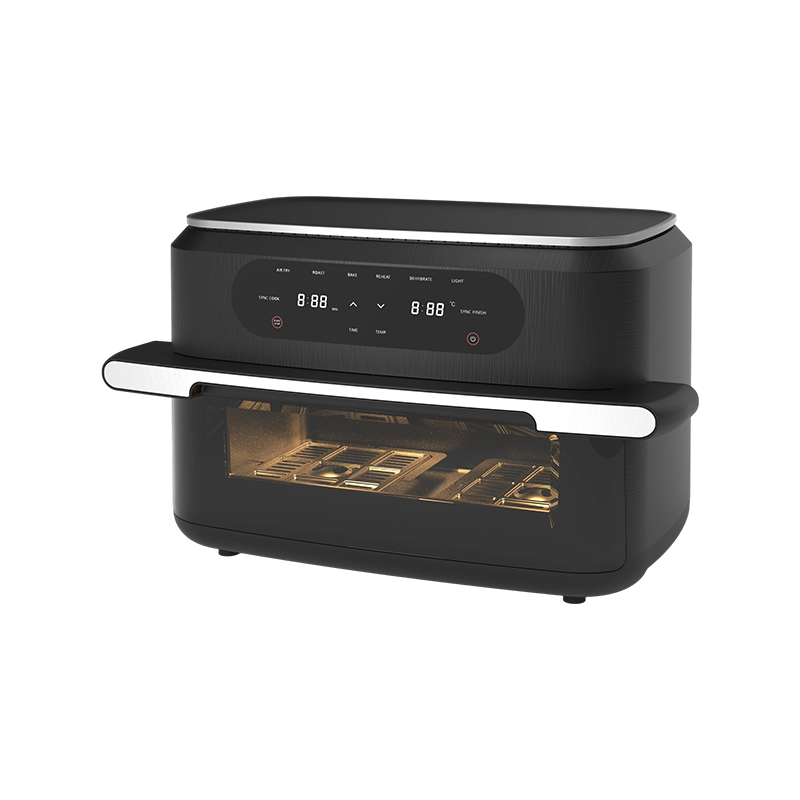 Air Fryer AF-12HDV Wide-Horizon Smart Air Oven
 -
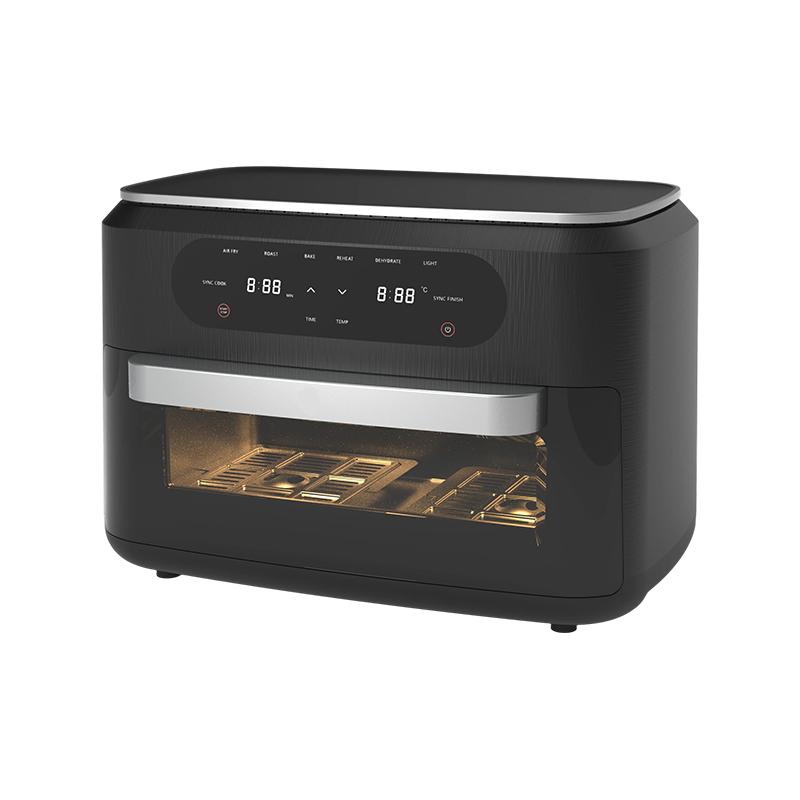 Air Fryer AF-14HDV Grand-View Digital Air Oven
Applications
Daily Home Cooking: Perfect for making French fries, chicken wings, nuggets, and other common fried foods with significantly reduced oil intake.
Light & Low-Fat Meals: Ideal for fitness enthusiasts and those on weight-loss diets, enabling the preparation of low-fat, high-protein healthy meals.
Quick Snacks: Cooks, reheats, or finishes food in minutes, meeting the convenient dietary needs of office workers and students.
Parent-Child Interaction: A fun and safe way to make snacks with kids, combining safety and enjoyment.
Production & Supply Chain
Core Technology: Features a 360° hot air circulation system and non-stick inner pot, paired with mechanical knobs for temperature and time control to ensure even heating and crispy results.
Production Standards: Complies with safety standards such as GB 4706.1 and holds international certifications like CE and FCC. It supports dual voltage (110V/220V) for global market adaptability.
Production Capacity: As a mature mass-produced item, it is widely available through e-commerce, offline retail, and foreign trade channels.
About Us
Cixi Homease Electrical Products Co., Ltd.
News
-
Picture a Friday evening. The film is queued, the bowls are out, and you tip a level scoop of kernels into the top of a popcorn maker. Ninety seconds later you...
READ MORE -
Two hot air popcorn makers can arrive in identical cartons, carry the same power rating, and still behave nothing alike on a countertop. One clears a full cham...
READ MORE -
Air Fryer Basics: What It Is and Which Size and Type to Choose An air fryer is a compact countertop appliance that uses a heating element and a powerful fan to...
READ MORE -
Popcorn Maker Basics: Which Type Fits Your Use Case A popcorn maker is a small appliance that heats corn kernels until the moisture inside turns to steam and b...
READ MORE
Air Fryer Industry knowledge
1. Air Fryer Overview and Core Functions
An Electric Air Fryer is a small kitchen appliance that cooks food by circulating heated air around a perforated basket, producing a crisp exterior with reduced oil compared with traditional deep frying. The category spans compact countertop units built for daily household meals and larger, program-driven models used in small commercial kitchens. Across formats, the core mechanism stays consistent: a heating element combined with a fan draws air through the cooking chamber, transferring heat evenly around the food surface.
(1) Heating and Air Circulation
A Countertop Air Fryer typically uses a top-mounted heating coil paired with a fan that pushes hot air downward through the basket. This rapid air movement removes surface moisture faster than static oven heat, which is the main reason air-fried food develops a browned texture without full oil immersion. Basket shape and airflow pathway both influence how evenly food cooks across a single batch.
(2) Control Systems
An Automatic Air Fryer adds programmed presets, temperature sensors, and timed shutoff to reduce manual adjustment during cooking. These control systems monitor internal chamber temperature and adjust heating cycles to maintain a target range, which helps keep cooking results consistent across repeated use rather than relying on manual timing alone.
2. Common Types and Characteristics
Within the air fryer category, several formats serve different kitchen needs. A single-basket electric air fryer suits smaller households and limited counter space, while a dual-basket model allows two food items to cook on separate settings at the same time. Oven-style units combine a wider chamber with rack positions for larger batches, and automatic models across any basket size add programmed cooking modes for common food types.
| Type | Control Method | Typical Setting | Basket Style |
|---|---|---|---|
| Electric Air Fryer | Manual dial or button | Home kitchen | Single basket |
| Countertop Air Fryer | Manual or digital panel | Home kitchen counters | Single or dual basket |
| Automatic Air Fryer | Programmed presets, sensors | Home and light commercial use | Single, dual, or oven-style |
3. Batch Output Comparison Across Air Fryer Types
Batch capacity differs across the category depending on chamber size and basket configuration. The column chart below compares approximate cooking capacity per batch across four common air fryer formats under typical household or light commercial use. Oven-style automatic units show the highest capacity because their wider chamber and rack positions allow larger food volume per cycle. A single-basket electric air fryer shows the lowest capacity, reflecting its compact size intended for smaller households. Dual-basket countertop and automatic models fall in the middle range, since two smaller baskets together hold more food than one small basket alone. Reviewing capacity differences like these helps match a specific air fryer type to expected household size or serving volume before a unit is put into daily use.
4. Application Scenarios and Selection Points
Choosing the right air fryer depends on household size, cooking frequency, and available counter space. The list below outlines common scenarios where each format is typically placed.
- Small households generally favor a compact single-basket electric air fryer for daily individual or two-person meals.
- Larger households often choose a dual-basket countertop air fryer to cook two dishes on different settings at once.
- Busy kitchens benefit from an automatic air fryer with preset programs that reduce manual monitoring during cooking.
- Households preparing larger batches or family meals typically select an oven-style automatic unit for its wider chamber.
- Light commercial kitchens with steady, moderate output often keep one automatic unit for repeated daily cycles.
Beyond size, buyers typically weigh basket depth and control complexity against how often the unit will be used, since a highly programmed automatic air fryer offers little advantage for occasional, simple cooking tasks.
5. Attribute Comparison: Manual and Automatic Air Fryer Performance
The radar chart below compares manually controlled and automatic air fryer performance across four attributes: cooking consistency, ease of use, capacity, and cleaning convenience. Automatic units score higher on cooking consistency and ease of use, since programmed sensors reduce the need for manual temperature adjustment during a cycle. Manually controlled countertop units score higher on cleaning convenience, as their simpler internal components generally involve fewer parts to disassemble. Capacity scores land closer together, showing that automation does not always correspond to a larger chamber size. Neither format scores highest across every attribute, which is why the choice between them often depends on how frequently precise, repeatable cooking results are needed. Viewing these attributes side by side gives a clearer picture of which air fryer format fits a specific household cooking pattern.
6. Manufacturing Background and Category Coverage
Cixi Homease Electrical Products Co., Ltd. researches, designs, and manufactures small home appliances, with the air fryer category forming part of a broader product portfolio that also includes popcorn makers, cotton candy machines, chocolate fountains, and ice makers. This mixed portfolio reflects how these appliances are often selected together for home kitchens, retail channels, and foodservice applications. Production takes place across a 20,000 square meter manufacturing base with around 300 staff, reaching a daily output of up to 10,000 units across the full appliance range, which supports both smaller trial orders and larger recurring programs for electric, countertop, and automatic air fryer models alike.
7. Maintenance Guidance
Regular maintenance keeps cooking results consistent and extends the working life of any air fryer. The steps below apply broadly across manual and automatic formats.
- Clean the basket and tray after each use to prevent oil residue buildup.
- Wipe the heating coil area periodically to remove trapped food particles.
- Check the fan area for airflow obstructions if cooking results become uneven.
- Allow the unit to cool fully before cleaning or storing to avoid warping plastic components.
- Keep a simple maintenance log for units used across multiple daily cycles in commercial settings.
8. Frequently Asked Questions
(1) What distinguishes an electric air fryer from an automatic air fryer?
An electric air fryer relies on manual dial or button settings adjusted by the user, while an automatic air fryer uses programmed presets and sensors to manage heating cycles with less manual input.
(2) Which countertop air fryer size suits a larger household?
A dual-basket or oven-style countertop air fryer generally suits larger households better than a single-basket model, since it allows more food volume or two separate cooking settings within one cycle.
(3) How is batch capacity typically measured for this category?
Batch capacity is generally measured in liters of internal chamber volume, which varies by basket configuration and whether the unit follows a single-basket, dual-basket, or oven-style design.
(4) Does an automatic air fryer require more maintenance than a manual model?
Maintenance steps are largely similar across manual and automatic air fryers, since both rely on the same basket, tray, and heating coil components that need regular cleaning.
(5) What maintenance step matters most for consistent cooking results?
Cleaning the basket and tray after each use is the most consistent maintenance step, since oil residue buildup is a common cause of uneven cooking and smoke during later cycles.
Get in Touch
Your email address will not be published.
Required fields are marked *
Required fields are marked *
contact us
Have a project in mind?
Contact with us
Contact with us
We are happy to answer your questions. Please fill out this form
and one of our professional team will get back to you as soon as possible.
and one of our professional team will get back to you as soon as possible.
-
Company AddressNO.212 Qiaotou Road, Qiaotou Town, Cixi City Zhejiang Province
-
Tel:+86-574-63032602/63032605/63032682/63032681
-
E-mail:homease@homease.com.cn
huajun_sam@homease.com.cn
jayden@homease.com.cn
sunny@homease.com.cn
Copyright © Cixi Homease Electrical Products Co., Ltd. All Rights Reserved. Electric Air Fryer Manufacturer Wholesale Countertop Air Frye Factory
