
 中文简体
 русский
 Français
 Español
 Português
 Deutsch
 عربى
 italiano
 Türk

Search
Categories
Recommend News
Categories
Recommend News
-
Industry News
-
Industry News
-
Industry News
-
Industry News
Nov 23, 2026 - By admin
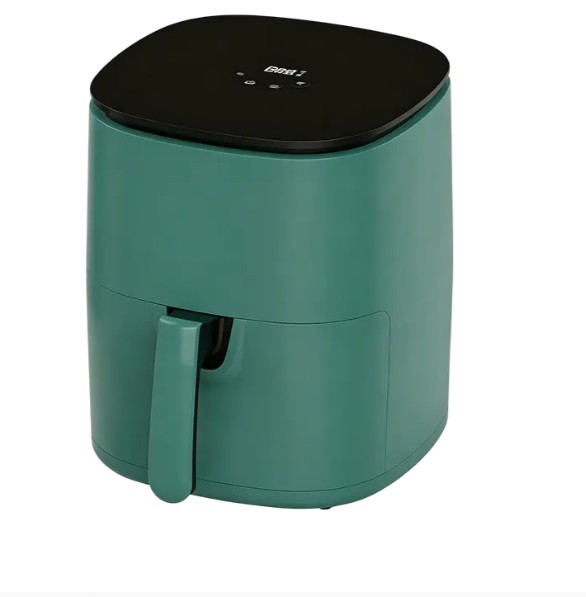
Air Fryer Chicken Breast Temp: Juicy, Safe Results and Smarter Appliance Design
A chicken breast that looks golden outside can still be dry at the center, and a thick cut can stay pink near the bone while the surface browns. For air fryer chicken breast temp, the practical answer is simple: set most boneless, skinless breasts at 375°F (190°C) and cook until the thickest part reaches 165°F (74°C). The temperature is the target; thickness, bone-in structure, basket load, and appliance wattage decide how long that target takes.
That is the conclusion first because temperature and time are not interchangeable. A thin cutlet and a thick hotel-style breast should not share the same timer setting. Once you separate “safe internal temperature” from “how long at 375°F,” the results become more predictable, whether you are cooking dinner at home or evaluating air fryer performance for a retail or foodservice program.
Use 375°F (190°C) as the default air fryer chicken breast temp, then rely on a 165°F (74°C) internal reading, not the clock alone.
Quick Answer: Best Air Fryer Chicken Breast Temp
For boneless, skinless chicken breast, 375°F is the most reliable starting point because it browns the surface without drying the interior too quickly. Many recipes use 360°F to 380°F, and those settings can work well, but 375°F gives a practical balance between color, moisture, and cooking speed. Preheat the air fryer for 3 to 5 minutes when the manual recommends it, especially in compact baskets where recovery time is slower.
Internal temperature is the safety line. The USDA recommended minimum for poultry is 165°F. Insert an instant-read thermometer into the thickest part of the breast, away from bone and fat. If the breast is stuffed or rolled, check the center. If you are cooking several pieces, check the largest one and one from the edge of the basket, because airflow patterns can create hot and cool zones.
Time will still vary. A 6-ounce boneless breast may finish in 12 to 15 minutes at 375°F, while a thick 10-ounce breast may need 18 to 22 minutes. Bone-in breasts need longer because the bone conducts heat differently and the meat is often thicker. Frozen breasts need a lower starting temperature and more time, with a thermometer check before serving.
Set 375°F, preheat if your model calls for it, and pull the chicken at 165°F; thickness and bone status are the main reasons times differ.
Why Thickness Changes Time More Than Temperature
Two breasts can weigh the same and still cook differently. A wide, flat breast exposes more surface to moving hot air, while a thick, compact breast has a longer distance from edge to center. That is why a recipe that says “15 minutes” can produce dry meat for one cook and an undercooked center for another. The air fryer’s basket shape, fan strength, and wattage add another layer of variation.
Thickness is the variable that most often explains a dry result or a raw center. The bar chart below translates common supermarket cut sizes into practical time windows at 375°F, assuming a preheated basket and a light oil coating.
Approximate boneless chicken breast time at 375°F
The chart is a starting window, not a guarantee. In a small 2-quart basket, crowding can block airflow and push cooking time toward the longer end. In a larger 5- to 6-quart basket with a strong fan, the same breast may finish closer to the shorter end. For appliance buyers, this is why basket geometry and tested time charts matter: a manufacturer that validates thickness bands and load sizes gives users a more realistic recipe card than one that publishes a single universal time.
For suppliers and wholesalers, consistent browning and even heating are not only recipe issues. They affect returns, customer reviews, and repeat purchases. A supplier that tests chicken breasts at different thicknesses, basket positions, and load weights can provide more useful guidance for packaging, quick-start guides, and retail listings. That kind of testing also helps a manufacturer tune wattage, fan speed, and basket depth before mass production.
Home cooks should also consider shape. A breast pounded to an even 3/4 inch will cook more evenly than a natural breast with a thick end and a thin tail. If you do not want to pound the meat, tuck the thin tail under or cut the breast into similar-sized pieces. Smaller pieces cook faster, so reduce the time and check early.
Match the timer to thickness, not just weight; a 1-inch breast needs a different window from a 1/2-inch cutlet.
Boneless vs. Bone-In: Different Rules for the Same Temperature
Boneless, Skinless Breasts
Boneless, skinless breasts are the most common air fryer cut because they cook quickly and fit in a single layer. Use 375°F and start checking at 12 minutes for a standard 3/4-inch breast. A light coating of oil helps browning and seasoning adhesion, but too much oil can smoke. Pat the chicken dry first, season both sides, and place pieces in a single layer with space between them.
If the breasts are very thick, consider slicing them horizontally into two thinner pieces or pounding them to an even thickness. This is often more effective than lowering the temperature, because a lower temperature may dry the surface before the center reaches 165°F. If you keep the breast whole, use a thermometer and expect a longer cook.
Bone-In, Skin-On Breasts
Bone-in breasts need more time and a slightly gentler approach. The bone can slow heat transfer to the center, and the skin needs enough time to render and crisp. Start at 360°F to 375°F and plan for 18 to 26 minutes, depending on size. Place skin-side up for part of the cook, then flip if your model browns unevenly. Check the thickest part away from the bone; the bone itself can read hotter or cooler than the meat.
Do not judge doneness by the skin color alone. A browned surface can form before the center is safe. If the skin is browning too fast, tent the breast loosely with foil or reduce the temperature slightly and extend the time. For commercial programs, bone-in products may need a different validated time chart because the bone mass and skin coverage change the heat profile.
Boneless breasts are faster, but bone-in breasts need a longer window and a thermometer check near the bone.
Frozen Chicken Breast: Lower Temp, Longer Time
Frozen chicken breast can be cooked in an air fryer, but it should not be treated like a fresh breast with a few extra minutes. The outside can brown while the center remains icy. A safer approach is to start at 360°F, separate pieces if they are frozen together, and allow 25 to 35 minutes for a medium boneless breast. Check the internal temperature in the thickest part and continue cooking in short increments if needed.
Do not thaw chicken on the counter. If you plan ahead, thaw it in the refrigerator and cook it as fresh. If you are cooking from frozen, use a thermometer and avoid high heat at the start. Some air fryer models have a defrost setting, but it is not a substitute for a final temperature check. For buyers evaluating appliance instructions, frozen-food guidance is worth reviewing because it often reveals how well the manufacturer has tested real-world use.
Frozen bone-in breasts take even longer and can brown unevenly. If the skin is already dark and the center is still cold, lower the temperature to 340°F to 350°F and extend the time. This gives the heat more time to reach the center without burning the surface. Always let the chicken rest for 5 minutes before slicing, and check the temperature again if you have any doubt.
Frozen breasts need 360°F and a longer, thermometer-led cook; browning is not proof that the center is safe.
Step-by-Step: From Seasoning to Resting
- Pat the chicken breast dry with paper towels. Surface moisture can steam the meat instead of browning it.
- Season both sides with salt, pepper, paprika, garlic powder, or a simple marinade. Avoid sugar-heavy sauces before cooking because they can burn.
- Preheat the air fryer to 375°F for 3 to 5 minutes if your model recommends it. A hot basket helps the surface start browning immediately.
- Lightly oil the chicken, not the basket. A thin coating is enough. Too much oil can drip and smoke.
- Place breasts in a single layer with space between them. Do not stack. If you need to cook in batches, keep the first batch warm while the second cooks.
- Set the timer to the lower end of the range for the thickness. For a 3/4-inch boneless breast, start at 12 minutes.
- Flip halfway through if your model browns unevenly. Use tongs and avoid piercing the meat repeatedly.
- Check the internal temperature at the thickest part. Continue cooking in 2-minute increments until it reaches 165°F.
- Rest for 5 minutes before slicing. Carryover heat can raise the temperature slightly and helps the juices settle.
A instant-read thermometer is more useful than a fixed recipe time. If you cook chicken often, keep the thermometer near the air fryer and check every batch. For a manufacturer or supplier, including a simple temperature and thickness chart in the user guide can reduce guesswork and support safer use.
Dry the surface, season lightly, cook in a single layer, flip halfway, and finish with a 165°F thermometer check.
What “Done” Looks Like: Internal Temp and Carryover
Color, juices, and firmness are helpful clues, but they are not reliable safety tests. A breast can look white and still be below 165°F at the center. Use an instant-read thermometer and take the reading from the thickest part, avoiding bone, fat, and the bottom of the basket. If the breast is very thin, insert the probe from the side to reach the center.
After the chicken reaches 165°F, rest it for 5 minutes. The temperature may rise a few degrees, and the juices redistribute. If you slice immediately, more juice can run out onto the board. For meal prep, cool the chicken slightly before storing, but do not leave it at room temperature for more than two hours.
A 165°F reading is the minimum. Some cooks prefer to pull at 162°F to 163°F and let carryover finish the job, but that requires experience and a reliable thermometer. For foodservice and retail guidance, the safer recommendation is to cook to 165°F and hold or rest according to local food safety rules.
Cook to 165°F, rest 5 minutes, and rely on a thermometer rather than appearance or juice color.
Common Problems and Fixes
Most air fryer chicken breast problems come down to thickness, crowding, temperature, or time. The table below gives practical fixes without changing the basic 375°F starting point.
| Problem | Likely cause | Practical fix |
|---|---|---|
| Dry exterior and raw center | Temperature too high for a thick breast | Lower to 360°F and extend time; check at 2-minute intervals |
| Uneven browning | Crowded basket or weak airflow | Cook in a single layer, leave gaps, and flip halfway |
| Tough texture | Overcooked or cooked too long after 165°F | Pull at 165°F, rest 5 minutes, and slice against the grain |
| Smoke from the basket | Excess oil or sugary marinade | Use a thin oil coating, wipe the basket, and avoid sugar-heavy sauces |
| Cold center near bone | Bone-in breast cooked like boneless | Add 5 to 10 minutes and check away from the bone |
If the chicken is still pink near the bone after the exterior is browned, do not rely on the color of the juices. Return it to the air fryer at 350°F and check every 2 minutes. For a commercial kitchen, keep a written time and temperature log so staff can repeat the same result across batches.
Fix uneven results with airflow and thickness control before changing the recipe; crowding and thick centers cause most failures.
Air Fryer Design and Sourcing Notes for Buyers
For appliance buyers, air fryer chicken breast temp is not only a recipe question. It is a performance question. A model that recovers heat quickly, moves air evenly, and fits a standard chicken breast in a single layer is easier to recommend than one with a small basket or hot spots. Retailers and foodservice operators increasingly ask for tested cooking guidance because returns and complaints often trace back to unclear time and temperature instructions.
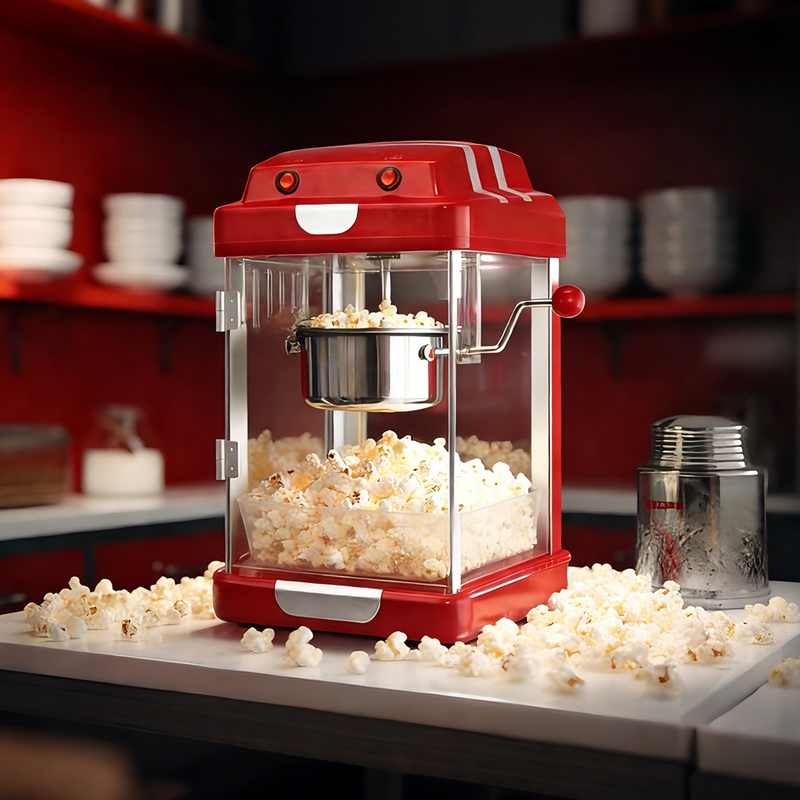
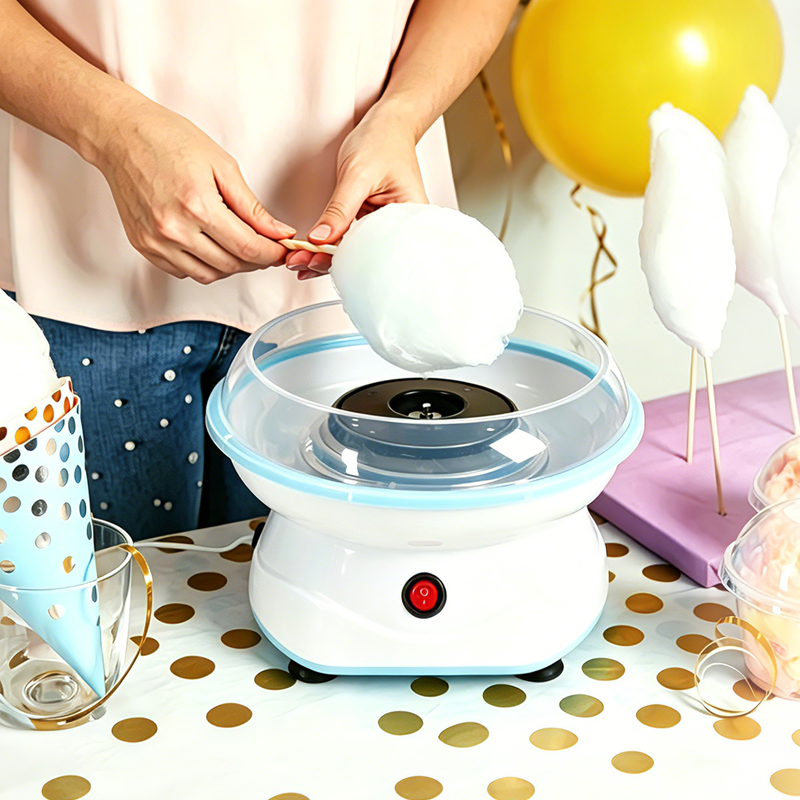
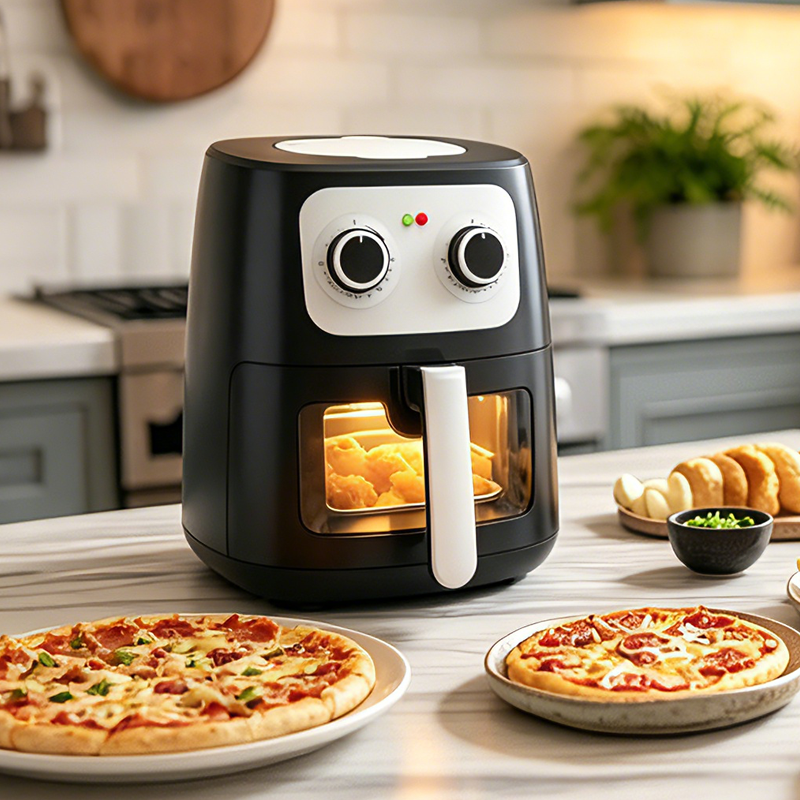
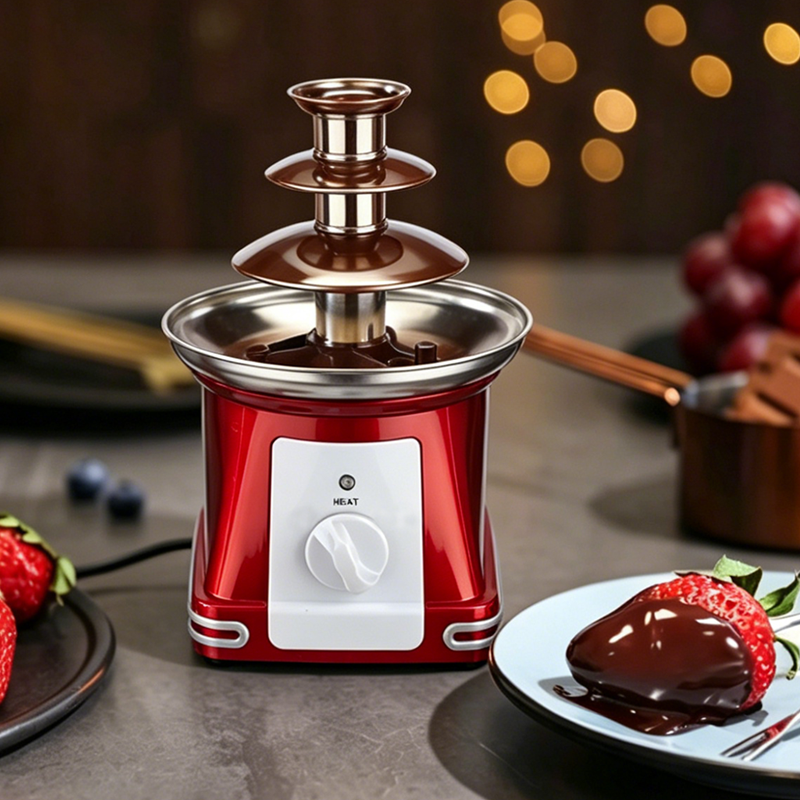
Cixi Homease Electrical Products Co., Ltd is a small appliance manufacturer with a 20,000-square-meter manufacturing base, 300 employees, and daily capacity of up to 10,000 units. The company’s product range includes air fryers alongside popcorn machines, cotton candy machines, chocolate fountains, ice makers, slush machines, and milkshake machines. For a supplier or wholesaler building a kitchen appliance line, that multi-category structure can simplify sourcing conversations across party, retail, and foodservice scenarios.
When comparing air fryer suppliers, ask for more than wattage and basket size. Request cooking validation for common foods such as chicken breast, frozen fries, and vegetables at different load weights. Check whether the manual gives thickness-based time ranges, whether the basket coating is durable, and whether the test kitchen records carryover time. A manufacturer with NPI support and standardized production procedures can usually adapt these details for private-label packaging and retail instruction sheets.
Buyers should also consider the end user. A family-focused retailer may prioritize easy-clean baskets, quiet operation, and clear preset labels. A foodservice buyer may care more about batch consistency, durable parts, and simple controls. A wholesaler may want a compact carton size and a product range that supports mixed containers. These are commercial decisions, but they all depend on the same underlying performance: the appliance must cook food safely and predictably.
For air fryer sourcing, validate real food tests and clear thickness-based guidance, not just wattage and basket volume.
FAQ: Air Fryer Chicken Breast Temp and Timing
What is the best air fryer chicken breast temp?
375°F (190°C) is the best default for boneless, skinless chicken breast. Use 360°F to 375°F for thicker cuts or bone-in breasts, and always cook to 165°F internal temperature.
How long should I cook chicken breast in an air fryer?
A standard 3/4-inch boneless breast usually takes 12 to 15 minutes at 375°F. A 1-inch breast may take 15 to 18 minutes, and a very thick breast may need 18 to 22 minutes. Start at the lower end and check with a thermometer.
Should I preheat the air fryer for chicken breast?
Preheat for 3 to 5 minutes if your manual recommends it. Preheating helps browning and makes timing more consistent, especially in small baskets. If your model does not recommend preheating, follow the manufacturer’s guidance.
Do I need to flip the chicken breast?
Flip halfway through if your air fryer browns unevenly or if the breast is thick. Flipping helps both sides brown and supports more even cooking, but it is not always required in models with strong top and bottom airflow.
Can I cook frozen chicken breast at 375°F?
It is better to start frozen breasts at 360°F and cook longer, usually 25 to 35 minutes for a medium boneless breast. Check the center with a thermometer and continue cooking until it reaches 165°F.
Why is my air fryer chicken breast tough?
Toughness usually comes from overcooking or cooking a thin breast too long at high heat. Pull the chicken at 165°F, rest it for 5 minutes, and slice against the grain.
Can I use a marinade or sauce before air frying?
Yes, but avoid sugar-heavy sauces before cooking because they can burn. Use a dry rub or a thin oil-based marinade, then add sticky sauces after cooking or during the last few minutes.
What internal temperature is safe for chicken breast?
165°F (74°C) is the recommended minimum internal temperature for poultry. Use an instant-read thermometer in the thickest part, away from bone and fat.
The safe answer is 165°F internal; the practical cooking answer is 375°F with time adjusted for thickness, bone, and basket load.
Final Takeaway
Air fryer chicken breast temp is easy to remember: 375°F for most boneless breasts, 360°F to 375°F for thicker or bone-in cuts, and 165°F internal before serving. The harder part is timing, because a single number cannot cover every breast size, basket shape, and load weight. Use the chart as a starting window, keep the basket uncrowded, flip when needed, and trust the thermometer over the timer.
For home cooks, that approach protects moisture and safety. For appliance manufacturers, suppliers, and wholesalers, it points to a larger opportunity: clear, tested cooking guidance can improve user experience and reduce support issues. A well-designed air fryer with realistic instructions is easier to recommend, easier to repeat, and easier to sell into家庭 kitchens, retail programs, and foodservice settings.
Set 375°F as the default, adjust time by thickness and bone, and finish every batch with a 165°F internal temperature check.
Related products
Get in Touch
Your email address will not be published.
Required fields are marked *
contact us
Have a project in mind?
Contact with us
We are happy to answer your questions. Please fill out this form
and one of our professional team will get back to you as soon as possible.
-
Company AddressNO.212 Qiaotou Road, Qiaotou Town, Cixi City Zhejiang Province
-
Tel:+86-574-63032602/63032605/63032682/63032681
-
E-mail:homease@homease.com.cn
huajun_sam@homease.com.cn
jayden@homease.com.cn
sunny@homease.com.cn
Copyright © Cixi Homease Electrical Products Co., Ltd. All Rights Reserved. China Small Home Appliances Manufacturer Food Equipment Factory
