
 中文简体
 русский
 Français
 Español
 Português
 Deutsch
 عربى
 italiano
 Türk

Search
Categories
Recommend News
Categories
Recommend News
-
Industry News
-
Industry News
-
Industry News
-
Industry News
Oct 20, 2026 - By admin
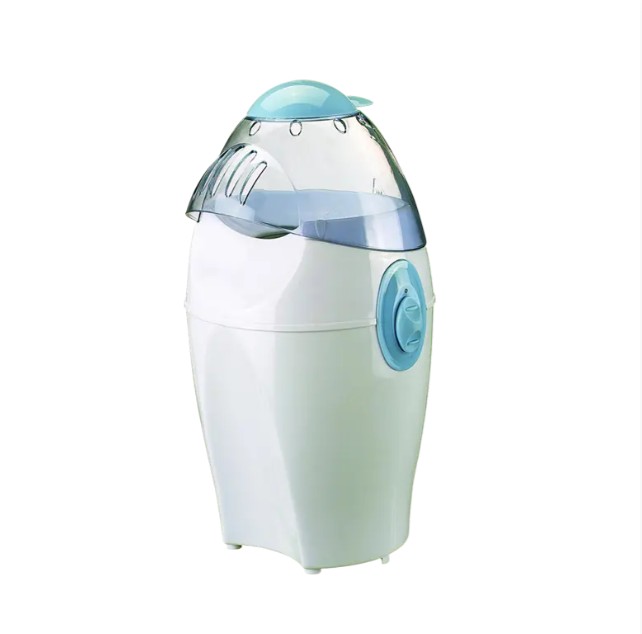
Popcorn Maker Recipes: Hot Air, Retro & Tabletop Batch Guides for Home
A 6-ounce kettle loaded with 1/2 cup of kernels and 2 tablespoons of oil should give you roughly 10 cups of popped corn, provided the recipe was written for that machine. Most disappointing batches at home, at rental counters, and in small retail programs come down to the same mismatch: a recipe built for a stovetop pot, a hot air popper, or a commercial kettle gets used in the wrong barrel, with the wrong oil volume and the wrong salt timing. The practical conclusion is straightforward: choose the popcorn maker recipe by popper type first, then adjust kernels, oil, sugar, and seasoning to the batch size you actually run.
This guide sets out repeatable popcorn maker recipes for hot air, retro, and tabletop machines, along with coating formulas, scaling notes for parties and food service, and the quality checks that matter when equipment is bought in volume. It is written from the perspective of a small appliance manufacturer that builds popcorn makers for households, rental counters, and retail programs, so the ratios below are practical starting points rather than laboratory conditions.
Match the recipe to the popper type before measuring anything; the machine sets the oil volume, batch size, and seasoning window.
Popcorn Maker Recipes by Popper Type: Hot Air, Retro, and Tabletop
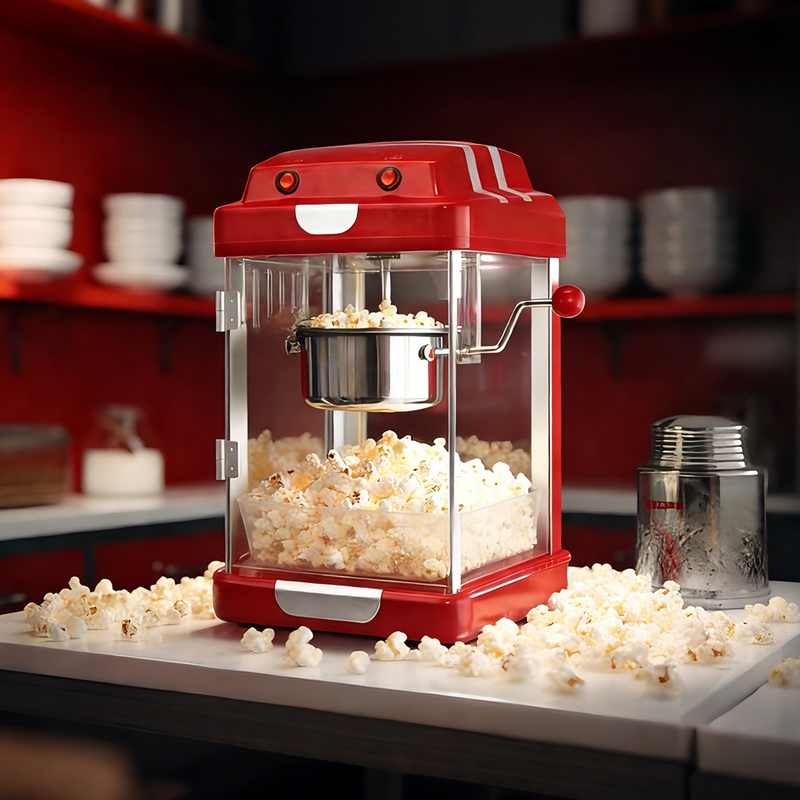
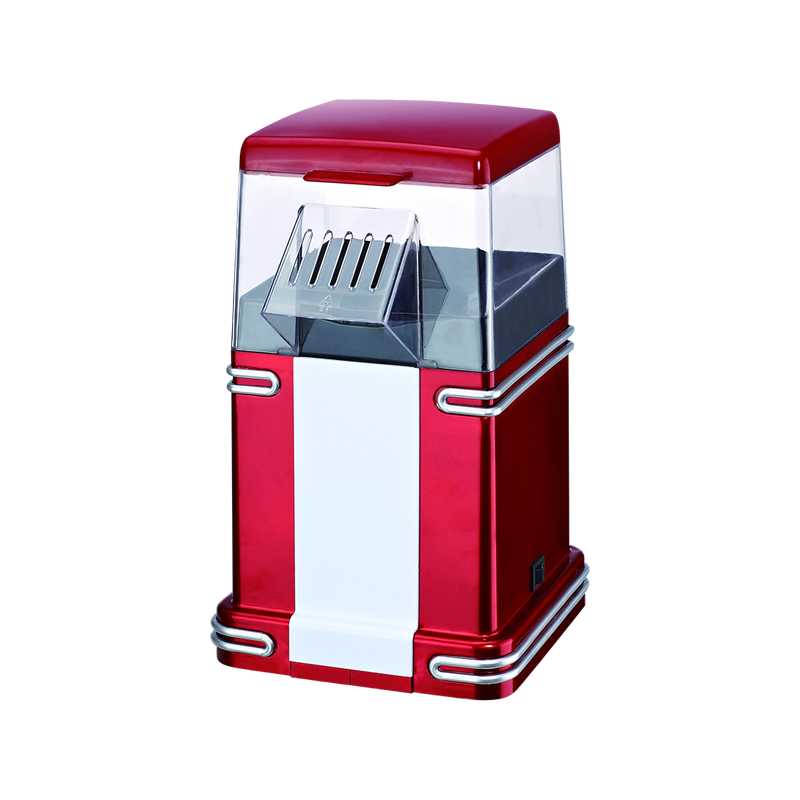
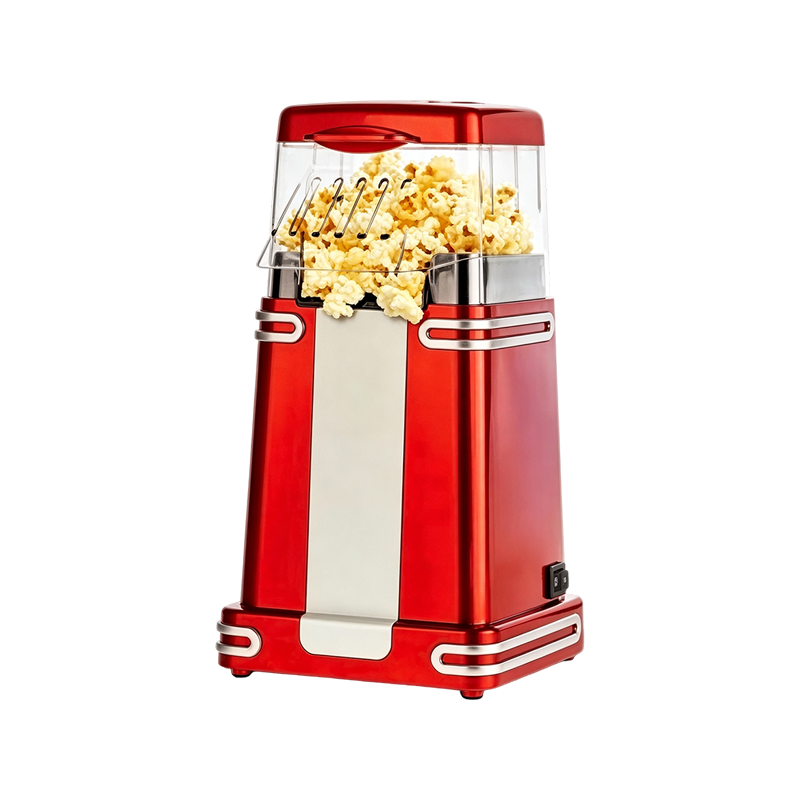
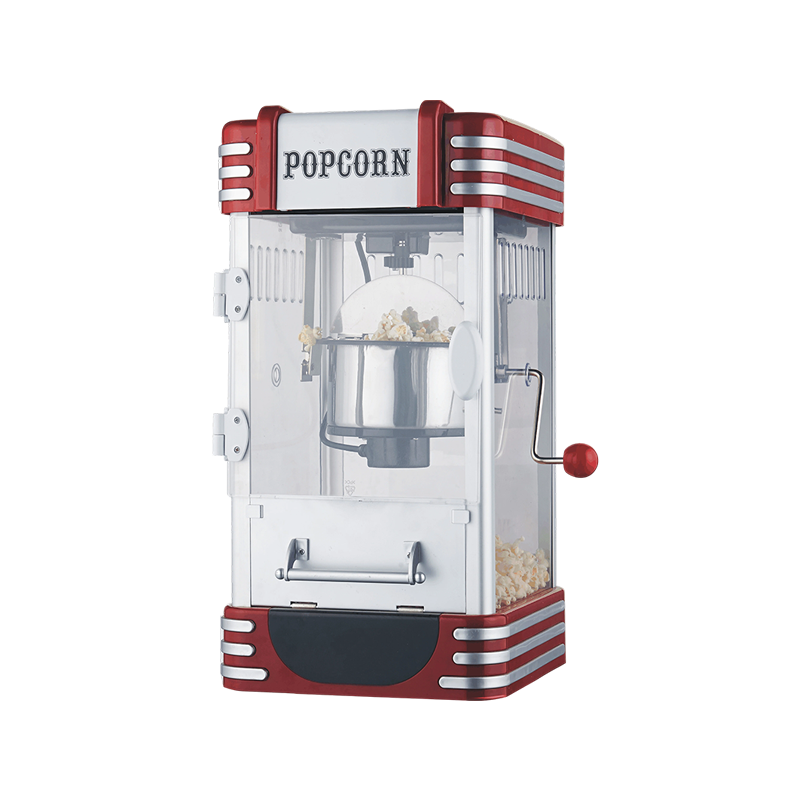
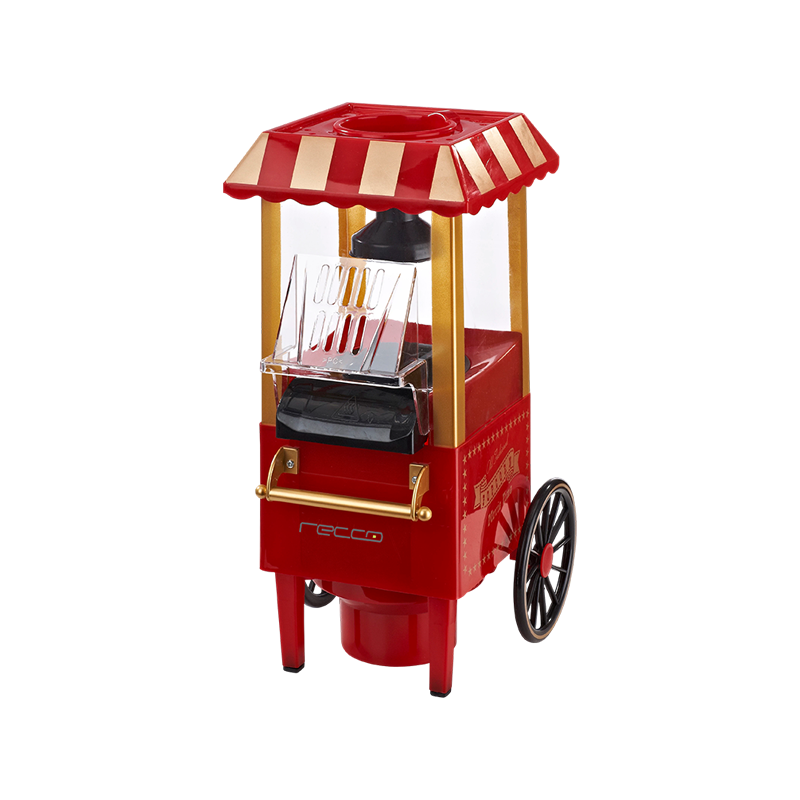
The three popper families sold today do not behave the same way with the same ingredients. A hot air machine moves kernels with a strong, dry airflow and gives no oil for salt or sugar to cling to. A retro-style oil popper stirs kernels through a measured amount of oil, which produces a rounder, heavier pop and a more forgiving surface for coatings. A tabletop popper with a kettle and warming deck is designed for repeated batches, so its recipe has to account for holding time, humidity, and the way a warm batch behaves when a second one is added.
Before writing a recipe card, check the rated batch size on the machine, not the size of the bowl. A 6-ounce kettle is usually loaded with 4 to 6 ounces of kernels by weight, while a home hot air popper may be rated for a third of a cup. Overfilling a kettle slows the stir and leaves unpopped kernels; underfilling a hot air chamber can send kernels straight through the chute before they pop. The table below gives starting points that can be adjusted to the specific model.
| Popper type | Typical kernel load | Oil or fat | Expected yield | Best recipe direction |
|---|---|---|---|---|
| Hot air popper | 1/3 cup (about 2.5 oz) | None in the chamber | 7 to 9 cups | Dry seasoning, light butter finish |
| Retro oil popper | 1/2 cup (about 4 oz) | 2 to 3 tablespoons | 10 to 12 cups | Cinema butter, kettle corn, caramel base |
| Tabletop 6 oz kettle | 4 to 6 oz by weight | 2 to 3 tablespoons | 9 to 11 cups | Party batches, sweet and savory coatings |
| Tabletop 8 oz kettle | 6 to 8 oz by weight | 3 to 4 tablespoons | 13 to 16 cups | Small retail, rental counters, event service |
For a hot air machine, the recipe is mostly about what happens after popping. A dry batch needs a fine salt or a powdered seasoning, and any butter should be clarified or applied as a light spray so the corn does not collapse. For a retro popper, the oil is part of the recipe, not a side note: too little oil scorches the pan, and too much leaves a greasy batch that resists a crisp finish. For a tabletop kettle, the recipe has to be written in repeated-batch terms, because the second batch starts in a hot kettle and often needs a slightly lower sugar or butter load than the first.
Homease builds all three popcorn maker formats for home and commercial buyers, which makes the differences easy to see on the production side. The hot air models are designed around dry airflow, the retro models around a measured oil charge, and the tabletop poppers around a stir rod and a warming deck. A recipe that ignores those design choices usually shows up as uneven seasoning, a soft texture after twenty minutes, or a kettle that needs scraping between batches.
Write separate recipe cards for hot air, retro, and tabletop poppers; a single "popcorn recipe" cannot serve all three consistently.
Batch Ratios That Keep Popcorn Maker Recipes Repeatable
A repeatable recipe needs a ratio, not just a list of ingredients. When a batch is scaled from a home kitchen to a party or a rental counter, the kernel-to-oil ratio and the expected yield are the two numbers that prevent overloading and under-seasoning. The chart below compares typical yields from common starting loads; it is a planning aid, not a guarantee, because kernel variety and machine temperature both affect the final volume.
Typical popped yield per batch by popper type
Hot air popper
1/3 cup kernels
1/3 cup kernels
8 cups
Retro oil popper
1/2 cup kernels
1/2 cup kernels
12 cups
Tabletop 6 oz kettle
4 to 6 oz kernels
4 to 6 oz kernels
10 cups
Tabletop 8 oz kettle
6 to 8 oz kernels
6 to 8 oz kernels
14 cups
The yield gap matters most when popcorn is packed into bags or served in cups. An 8-ounce kettle that produces about 14 cups gives roughly seven 2-cup portions, while a hot air batch of 8 cups gives four portions of the same size. For a small retail counter, that difference affects how many batches are needed per hour and how much holding space is required. For a home party, it affects how many bowls can be filled before the second batch starts.
Oil volume should be scaled with kernels, but not in a straight line. A retro popper running 1/2 cup of kernels usually needs 2 to 3 tablespoons of oil; doubling the kernels does not always mean doubling the oil, because a flooded kettle steams the corn instead of frying it. A better rule is to keep the oil at roughly 8 to 12 percent of the kernel weight for oil poppers, then adjust within that range for the coating you plan to apply. Hot air machines use no chamber oil, so their recipe is scaled by kernel volume alone.
Homease supplies popcorn makers to buyers who run both home and commercial recipes, and the most common request is not a new flavor but a consistent batch card. A simple card that lists kernel weight, oil volume, expected yield, holding time, and the seasoning step is more useful than a long ingredient list. That card also makes it easier to compare a hot air model with a tabletop kettle when a buyer is choosing equipment for a specific menu.
Scale recipes by kernel weight and expected yield, then adjust oil within a narrow range; volume alone is a weak planning number.
Hot Air Popcorn Maker Recipes: Light, Dry, and Coatable
Hot air popcorn is the cleanest base for recipes that need a crisp finish. The kernels pop without added oil, so the surface is dry and slightly porous, which is helpful for powdered seasonings and less helpful for melted butter. The trick is to season in two stages: a fine dry base immediately after popping, then a light liquid finish only if the recipe calls for it.
Recipe 1: Basic Light-Salt Hot Air Popcorn
- Measure 1/3 cup of fresh popcorn kernels and remove broken pieces.
- Run the hot air popper according to the manufacturer's instructions, with the chute pointed into a large bowl.
- Let the batch stand for 30 seconds so steam can escape.
- Mix 1/4 teaspoon of fine popcorn salt with 1/2 teaspoon of powdered butter or a neutral dry seasoning, then sprinkle through a fine mesh strainer while tossing.
- Serve within 20 minutes for the crispest texture.
Fine salt is important here. Coarse salt bounces off dry popcorn and ends up at the bottom of the bowl, which makes the first serving bland and the last serving overly salty. A strainer or a small shaker gives a more even coat than pouring from a spoon.
Recipe 2: Butter-Finished Hot Air Popcorn
- Pop 1/3 cup of kernels in the hot air machine.
- Melt 2 tablespoons of butter in a small pan and skim the foam, or use clarified butter for a drier finish.
- Transfer the popcorn to a wide bowl and toss while adding the butter in three small additions.
- Add 1/4 teaspoon of fine salt after the first butter addition, not at the end.
- Spread the batch on a sheet pan for 3 to 5 minutes if you want a drier surface for a second coating.
Butter applied all at once softens the batch. Three small additions with tossing in between distribute the fat more evenly and leave fewer soggy pockets. If the recipe is going into bags or cups, a brief sheet-pan rest helps the surface set before packing.
Recipe 3: Savory Herb Hot Air Popcorn
- Pop 1/3 cup of kernels and let the batch rest for 1 minute.
- Blend 1/2 teaspoon of fine salt, 1/4 teaspoon of garlic powder, 1/4 teaspoon of onion powder, and 1/8 teaspoon of dried parsley or thyme.
- Add 1 teaspoon of olive oil to a small spray bottle and mist the popcorn lightly while tossing.
- Sprinkle the dry blend through a strainer and toss again.
- Rest for 2 minutes before serving so the herbs hydrate slightly.
This recipe works because the oil mist gives the powder something to cling to without turning the batch greasy. Keep the mist light; a heavy spray creates a chewy texture that is hard to correct. The same method can be used with a chili-lime blend or a smoky paprika blend, provided the powder is fine.
Hot air recipes succeed on fine powders and light misting; heavy butter or coarse salt is the fastest way to lose crispness.
Retro Popcorn Maker Recipes: Cinema Butter, Kettle Corn, and Caramel
A retro oil popper gives the recipe a fat component from the start, which changes both flavor and texture. The oil carries heat into the kernel, helps the salt adhere, and produces a heavier pop that holds up better under butter. The same machine can run sweet recipes, but sugar needs more attention because it burns quickly once the kettle is hot.
Cinema-Style Butter Popcorn
- Add 2 tablespoons of a neutral oil with a high smoke point to the cold kettle.
- Add 1/2 cup of kernels and close the lid.
- Turn on the machine and let the kettle come up to temperature; do not stir manually unless the manufacturer requires it.
- When popping slows to one pop every 2 to 3 seconds, empty the kettle into a bowl.
- Melt 3 tablespoons of butter with 1/4 teaspoon of fine salt and drizzle in two additions, tossing between them.
Cinema-style butter is not only about fat. The salt should be dissolved in the butter or mixed with a small amount of oil so it spreads evenly. If the butter is added cold, it cools the batch and makes the corn chewy. Clarified butter or a butter-flavored oil gives a longer holding time, which matters for rental counters and party service.
Kettle Corn in a Retro Popper
- Add 2 tablespoons of oil and 1/2 cup of kernels to the kettle.
- Add 2 tablespoons of fine sugar and close the lid immediately.
- Start the machine and listen for the popping rate to slow.
- Empty the kettle as soon as the popping slows, before the sugar darkens.
- Toss with 1/4 teaspoon of fine salt while the corn is still warm.
Sugar burns faster than kernels brown, so the timing window is narrow. A retro popper with a stir rod helps, but the recipe still depends on emptying promptly. If the batch smells acrid or the sugar turns dark brown, the kettle was too hot or the sugar load was too high. Start with 2 tablespoons of sugar per 1/2 cup of kernels and adjust only after the first batch.
Caramel Corn Base
- Pop 1/2 cup of kernels in 2 tablespoons of oil using the retro popper.
- Remove any unpopped kernels and spread the popcorn on a lined sheet pan.
- Combine 1/2 cup of brown sugar, 4 tablespoons of butter, 2 tablespoons of corn syrup, and 1/4 teaspoon of salt in a saucepan.
- Bring to a boil and cook for 3 to 4 minutes, stirring, until the mixture thickens slightly.
- Pour over the popcorn, toss, and bake at 250°F for 20 to 25 minutes, stirring every 10 minutes.
- Cool completely before breaking into pieces.
The oven step is what turns a sticky coating into a crisp shell. Without it, caramel corn stays chewy and clumps in storage. A retro popper is a good base machine for this recipe because the oil-popped corn is sturdier than hot air corn and absorbs the caramel without collapsing.
Retro popper recipes depend on controlled oil and fast emptying; sugar recipes need a narrow timing window and a prompt finish.
Tabletop Popcorn Popper Recipes for Parties, Rentals, and Small Retail
A tabletop popper with a kettle and a warming deck is built for repeated batches. That changes the recipe in ways that are easy to miss: the kettle is already hot when the second batch starts, the warming deck continues to dry the corn, and the serving window may be two or three hours rather than twenty minutes. A recipe that works perfectly as a single home batch can turn greasy or chewy in a repeated-batch setting.
For a 6-ounce kettle, start with 4 to 5 ounces of kernels and 2 tablespoons of oil. For an 8-ounce kettle, start with 6 to 7 ounces of kernels and 3 tablespoons of oil. Keep the kettle below its maximum fill line, even if the recipe says it can hold more. A full kettle stirs slowly, which increases the number of unpopped kernels and makes the batch uneven.
Party Batch Recipe With a Holding Plan
- Pop the first batch with 5 ounces of kernels and 2 tablespoons of oil in a 6-ounce kettle.
- Empty the kettle promptly and spread the corn on the warming deck in a thin layer.
- Season the first batch lightly; plan to season the second batch separately rather than seasoning the entire deck at once.
- Hold the corn at the warming deck temperature for no more than 45 minutes before serving.
- Run the second batch with the same kernel weight but 1 1/2 tablespoons of oil, because the kettle is already hot.
Seasoning the whole deck at once is a common mistake. The corn on the bottom picks up moisture from the steam, and the salt migrates downward. Smaller, separately seasoned batches stay more even, and the server can refill bowls without mixing old and new corn.
Small Retail Portion Recipe
For bagged portions, aim for a 2-cup serving and a batch yield of about 10 cups from a 6-ounce kettle. That gives five bags per batch, with a small allowance for spillage and quality checks. Use a neutral oil rather than butter in the kettle, then finish with a butter-flavored topping at the bagging station if the recipe calls for it. This keeps the kettle cleaner and reduces the risk of burnt milk solids on the heating surface.
Humidity is the quiet variable in tabletop recipes. On a damp day, the corn loses crispness faster and the salt clumps in the shaker. Keep the warming deck ventilated, avoid sealing hot corn in plastic bags, and bag only what will be sold within the holding window. A simple hygrometer near the station is more useful than a long recipe note.
Homease tabletop poppers are used in party rentals, retail displays, and small food service, and the same recipe logic applies across those settings: smaller batches, separate seasoning, and a clear holding limit. Pairing the popcorn station with a cotton candy maker or a chocolate fountain also changes the workflow, because staff attention is divided. Recipes that require constant tossing or last-minute glazing are harder to run next to another machine.
Tabletop recipes should be written as repeated batches with separate seasoning and a defined holding time, not as one large batch.
Popcorn Seasoning Recipes That Actually Stick
Seasoning is where many popcorn maker recipes fail, even when the popping step is correct. Dry powders need a fine grind and a light binder; wet coatings need enough heat to set but not enough to soften the corn. The table below gives ratio-based starting points for common blends, with a note on which popper type handles each one best.
| Blend | Base ratio for 10 cups | Application | Best popper |
|---|---|---|---|
| Classic cinema salt | 1/2 teaspoon fine salt plus 2 tablespoons melted butter | Toss in two additions | Retro or tabletop |
| Cheddar-style powder | 1 tablespoon cheese powder plus 1/4 teaspoon salt | Mist lightly with oil, then dust | Hot air or tabletop |
| Chili-lime | 1/2 teaspoon chili powder, 1/4 teaspoon lime powder, 1/4 teaspoon salt | Dry toss while warm | Hot air |
| Cinnamon sugar | 1 tablespoon fine sugar plus 1/2 teaspoon cinnamon | Toss with 1 teaspoon melted butter | Retro or tabletop |
| Herb and garlic | 1/2 teaspoon garlic powder, 1/4 teaspoon dried herbs, 1/4 teaspoon salt | Light oil mist, then dust | Hot air |
| Smoky paprika | 1/2 teaspoon smoked paprika plus 1/4 teaspoon salt | Dry toss or light butter | Retro or tabletop |
For dry blends, a fine mesh strainer does more than a spoon because it breaks up clumps and spreads the powder over a wider area. For wet blends, the butter or oil should be warm but not hot; very hot fat wilts the corn and makes the batch dense. If a blend includes sugar, apply it after the salt so the salt does not dissolve into a sticky layer.
Retail and food service operators also need to think about labeling. Cheese powder, milk powder, and some seasoning blends carry allergen declarations that must be reflected on the packaging. A recipe that is fine for a home party may not be acceptable for a bagged retail product without the right label. Keep the blend formula and the supplier specification sheet together so the information is available when a buyer asks.
Homease does not sell seasoning, but the company's popcorn makers are used with a wide range of coating systems. The practical advice from the equipment side is to keep the kettle free of sugar and cheese residue between batches. A dry blend is easier to clean than a sticky glaze, and a clean kettle produces a more consistent batch the next time.
Use fine powders, a light binder, and separate salt and sugar steps; sticking is a technique issue before it is an ingredient issue.
Commercial Popcorn Maker Recipes: Scaling Without Losing Crunch
Scaling a popcorn maker recipe for commercial use is not a matter of multiplying every number by ten. A larger kettle has a different surface-to-volume ratio, a different stir speed, and a different recovery time between batches. The recipe has to be rebuilt around the machine's rated capacity, the holding system, and the packaging step.
Start with the kettle's rated kernel weight, not the volume of the bowl. If a kettle is rated for 8 ounces, a commercial batch should stay at or below that weight, even if the popped corn fits comfortably in the warmer. Overloading increases unpopped kernels and slows the batch, which reduces throughput more than a larger load can add. A realistic target for many small retail setups is a batch every 4 to 6 minutes, with a holding time of 30 to 45 minutes.
Oil choice matters more at scale because the kettle runs hot for longer periods. A neutral oil with a high smoke point keeps the batch clean and reduces burnt residue. Butter should be added after popping or used as a topping at the bagging station, not in the kettle, unless the machine is designed for it. Sugar recipes need a dedicated cleaning routine because caramelized sugar hardens on the stir rod and reduces batch consistency.
For buyers sourcing equipment in volume, the recipe and the machine specification should be reviewed together. A popcorn maker manufacturer can confirm the rated batch size, the heating element power, the stir motor duty cycle, and the recommended cleaning interval. A supplier who understands food service will also ask about the holding method, the packaging material, and the expected daily batch count. A wholesaler or OEM partner may need private-label documentation, spare parts planning, and a sample batch protocol before a full order.
Homease operates a 20,000 square meter manufacturing base with 300 employees and a daily capacity of up to 10,000 units, which supports orders across different scales. The company's product range includes hot air, retro, and tabletop popcorn makers, along with cotton candy makers, air fryers, chocolate fountains, ice makers, slush machines, and milkshake makers. That breadth is useful for buyers building a snack station rather than sourcing a single appliance, because the recipes and the equipment can be planned as one service flow.
Custom design and new product introduction support are part of the company's stated capabilities, and those services matter when a recipe depends on a specific kettle size or warming deck configuration. A buyer who needs a 10-ounce kettle for a particular bag size, or a warmer that holds 40 portions without stacking, is making an equipment decision that starts with the recipe. Bringing the batch card to the supplier conversation is more productive than starting with a catalog photo.
Commercial recipes should be built around rated kettle capacity, holding time, and cleaning intervals; volume multiplication alone is unreliable.
Troubleshooting Popcorn Maker Recipes: Unpopped Kernels, Chewy Corn, and Burnt Sugar
Most batch failures fall into a small number of categories. The fix is usually a change in load size, oil volume, temperature, or timing, not a new ingredient. The list below covers the problems that come up most often when a recipe is moved from one popper to another.
- Many unpopped kernels: the kettle was overloaded, the kernels were old or too dry, or the oil volume was too low for the batch. Reduce the kernel load by 10 to 15 percent and check the kernel date.
- Chewy popcorn after 20 minutes: the batch was sealed while still warm, the butter was applied too heavily, or the holding environment was humid. Vent the bag, reduce the butter, and shorten the holding time.
- Burnt sugar in a kettle: the sugar load was too high, the kettle was already hot from a previous batch, or the batch was left in the kettle after popping slowed. Empty promptly and clean the stir rod before the next batch.
- Greasy texture: the oil was measured by eye rather than by volume, or butter was added in the kettle instead of after popping. Weigh or measure the oil and keep butter for the finishing step.
- Seasoning at the bottom of the bowl: the powder was too coarse or applied too fast. Use a fine grind and a strainer, and toss while applying.
- Uneven salt: the salt was added after the butter instead of between additions, or the batch was not tossed enough. Add salt in two stages and toss for at least 15 seconds.
- Soft hot air popcorn: the batch was covered immediately after popping, trapping steam. Let it rest uncovered for 30 to 60 seconds before seasoning.
- Kettle scorching between batches: sugar or cheese residue was not removed while the kettle was still warm. Wipe the kettle and stir rod after each sweet or coated batch.
Kernel quality is a variable that many recipes ignore. Popcorn kernels lose moisture over time, and a dry kernel may not pop even when the machine is working correctly. Store kernels in a sealed container away from heat, and test a new bag with a small batch before committing it to a retail run. If the test batch produces more than a small handful of unpopped kernels, adjust the load or change the kernel lot.
Temperature recovery is another common issue in repeated-batch settings. A tabletop kettle that has just emptied is still hot, so the next batch may brown faster than the first. Reducing the oil by a small amount or shortening the preheat step can bring the batch back into balance. Keeping a simple batch log with kernel weight, oil volume, pop time, and unpopped count makes these adjustments visible instead of guesswork.
Diagnose batch faults by load, oil, moisture, and timing in that order; changing the flavor too early hides the real cause.
Cleaning and Storage After the Recipe Is Done
A popcorn maker recipe is only repeatable if the machine starts clean. Oil residue turns rancid, sugar residue hardens on the stir rod, and cheese powder traps moisture in the kettle. The cleaning routine should be short enough to run between batches and thorough enough to protect the next recipe.
For a hot air popper, unplug the machine and let it cool before wiping the chute and the base with a dry or slightly damp cloth. Do not immerse the body in water. Remove loose kernels from the popping chamber and check the air inlet for dust. For a retro or tabletop popper, empty the kettle while it is still warm, then wipe the kettle and stir rod with a soft cloth and a small amount of neutral oil if sugar is stuck. Wash removable parts according to the manufacturer's instructions and dry them fully before reassembly.
Store popcorn kernels in an airtight container in a cool, dry place. Avoid storing them next to the popper if the machine gives off heat, because warmth and temperature swings reduce kernel moisture. Seasoning blends should be kept in sealed jars away from steam; a shaker left open near a warming deck will clump within a day.
For commercial stations, a cleaning schedule belongs on the same card as the recipe. A sweet batch should be followed by a kettle wipe, and a cheese-coated batch should be followed by a full cleaning before the next plain batch. Spare stir rods and kettle lids reduce downtime when a busy service period prevents immediate cleaning. The goal is not a sterile kitchen; it is a machine that returns to the same starting condition for the next recipe.
Clean the kettle and stir rod between coated batches and store kernels sealed; recipe consistency starts with a repeatable starting condition.
Choosing a Popcorn Maker for the Recipes You Want to Run
The recipe should drive the equipment choice, not the other way around. A buyer who wants cinema-style butter popcorn and bagged retail portions needs a different machine from a buyer who wants light, dry popcorn for a low-oil menu. The three main formats cover most needs, but the details matter when the machine runs every day.
Hot Air Poppers
Best for light snacking, dry seasoning, and low-oil recipes. A hot air popper is easy to clean and does not use oil in the chamber, but it gives a drier surface that needs a binder for heavy coatings. It is a good fit for home kitchens, offices, and small Cafés that serve popcorn as a light snack rather than a main offering.
Retro Oil Poppers
Best for cinema-style butter, kettle corn, and caramel bases. The oil in the chamber gives a rounder flavor and a sturdier surface, but the machine needs more cleaning and a measured oil charge. A retro popper is a strong choice for party rentals, home theaters, and small shops that want a recognizable, traditional popcorn texture.
Tabletop Kettle Poppers
Best for repeated batches, parties, retail displays, and food service. The warming deck and larger kettle support a service window, but the recipe has to be written for holding time and batch recovery. A 6-ounce model suits smaller spaces, while an 8-ounce model supports higher volume and larger portion counts.
Homease builds popcorn makers across these formats and also supplies cotton candy makers, air fryers, chocolate fountains, ice makers, slush machines, and milkshake makers. That range allows a buyer to plan a snack station as a set rather than as isolated purchases. A party rental company might pair a tabletop popcorn popper with a cotton candy maker and a chocolate fountain; a small retail shop might combine a popcorn warmer with an ice maker for drinks. The recipes should be reviewed together so that staff attention and counter space are realistic.
When comparing suppliers, ask for the rated batch size, the recommended oil volume, the heating power, the duty cycle, and the cleaning method. A manufacturer that builds for both home and commercial buyers should be able to explain how the same recipe behaves in a smaller and a larger kettle. If the answer is only a recipe card with no equipment specification, the buyer is missing the information needed to scale.
Choose the popper format from the recipe and service model, then confirm batch size, oil volume, and cleaning routine with the manufacturer.
FAQ About Popcorn Maker Recipes
What is the best oil for popcorn maker recipes?
A neutral oil with a high smoke point is the safest starting point for retro and tabletop poppers. It carries heat evenly and does not compete with butter or seasoning. Coconut oil is popular for cinema-style flavor, but it sets firm at room temperature and can leave a waxy texture if the batch is held too long.
How much popcorn should I put in a 6-ounce kettle?
Start with 4 to 5 ounces of kernels by weight and 2 tablespoons of oil. Stay below the manufacturer's maximum fill line, even if the popped corn fits in the warmer. A slightly smaller batch usually produces fewer unpopped kernels and a more even coat.
Can I use butter instead of oil in the kettle?
Butter contains milk solids that burn easily on a hot kettle surface. Use a neutral oil in the chamber and add melted or clarified butter after popping. If the recipe requires a butter flavor in the kettle, use a butter-flavored popping oil rather than whole butter.
Why is my hot air popcorn chewy?
Hot air popcorn can turn chewy when steam is trapped or when a heavy liquid coating is applied. Let the batch rest uncovered for 30 to 60 seconds after popping, use a light oil mist rather than a pour, and avoid sealing warm popcorn in a bag.
How do I make kettle corn without burning the sugar?
Use 2 tablespoons of sugar per 1/2 cup of kernels as a starting point, add it to the kettle with the oil and kernels, and empty the kettle as soon as popping slows. A hot kettle from a previous batch can burn sugar quickly, so reduce the preheat time or wait a minute before the next batch.
How long does popcorn stay fresh after a recipe?
Plain popcorn is usually best within a few hours of popping, and coated popcorn depends on the coating. Caramel corn benefits from a cooling step and can hold longer if stored in an airtight container. Butter-coated popcorn should be served within the holding window rather than stored overnight.
Can I scale a home recipe for a commercial popper?
Scale by kernel weight and expected yield, not by multiplying every ingredient. A larger kettle has a different recovery time and stir speed, so the oil volume and seasoning step may need adjustment. Run a small test batch at the new size before committing to a full production run.
What is the difference between a retro popper and a tabletop popper?
A retro popper is usually a home-style oil popper with a smaller kettle and a simple lid. A tabletop popper is built for repeated batches and often includes a warming deck, a larger kettle, and a more robust stir system. The recipe for a tabletop machine should account for holding time and back-to-back batches.
Do I need a special salt for popcorn?
Fine popcorn salt distributes more evenly than coarse salt, especially on dry hot air popcorn. If only coarse salt is available, grind it finer before applying. For buttered popcorn, dissolve the salt in the butter or mix it with a small amount of oil before tossing.
How do I choose a popcorn maker supplier for bulk orders?
Ask for the rated batch size, heating power, duty cycle, cleaning method, spare parts availability, and sample process. A manufacturer with experience across home and commercial formats can explain how the recipe changes with kettle size. Confirm the order terms, packaging, and documentation before placing a bulk order.
Most recipe questions come back to three variables: the popper format, the oil volume, and the holding time.
A Final Recipe Plan for Home and Bulk Buyers
A useful popcorn maker recipe is a short, repeatable card: popper type, kernel weight, oil volume, expected yield, seasoning step, holding limit, and cleaning note. That card can be used at home, in a rental trailer, or on a retail counter without rewriting the entire method. The recipe should also identify which variables are flexible and which are fixed. Kernel weight and oil volume are usually fixed within a narrow range; seasoning and salt can be adjusted to the audience.
For home buyers, the practical path is to start with the machine's rated batch size and one base recipe, then add coatings after the base batch is consistent. For commercial buyers, the recipe should be reviewed alongside the equipment specification, the holding system, and the cleaning schedule. A manufacturer or supplier who can discuss those details is more useful than a catalog that lists only the popped volume.
Homease's product range covers popcorn makers and adjacent snack equipment, which allows a buyer to plan a menu rather than a single purchase. Whether the recipe is a light hot air batch, a retro cinema-style batch, or a tabletop party batch, the same principle holds: the machine and the recipe have to be designed together. Once they are, the batch becomes predictable, and predictable batches are what make a snack station work day after day.
Turn every popcorn maker recipe into a batch card with fixed kernel weight, oil volume, yield, holding time, and cleaning step.
Get in Touch
Your email address will not be published.
Required fields are marked *
Required fields are marked *
contact us
Have a project in mind?
Contact with us
Contact with us
We are happy to answer your questions. Please fill out this form
and one of our professional team will get back to you as soon as possible.
and one of our professional team will get back to you as soon as possible.
-
Company AddressNO.212 Qiaotou Road, Qiaotou Town, Cixi City Zhejiang Province
-
Tel:+86-574-63032602/63032605/63032682/63032681
-
E-mail:homease@homease.com.cn
huajun_sam@homease.com.cn
jayden@homease.com.cn
sunny@homease.com.cn
Copyright © Cixi Homease Electrical Products Co., Ltd. All Rights Reserved. China Small Home Appliances Manufacturer Food Equipment Factory
