
 中文简体
 русский
 Français
 Español
 Português
 Deutsch
 عربى
 italiano
 Türk

Search
Categories
Recommend News
Categories
Recommend News
-
Industry News
-
Industry News
-
Industry News
-
Industry News
Nov 18, 2026 - By admin
air fryer veggie recipes: Applications, Selection Criteria, and Practical Guidance
Two trays of broccoli go into the same basket at the same setting, and one comes out with charred tips over a raw stem while the other browns evenly from top to bottom. The machine is not the problem. Surface moisture, spacing and cut size decide the outcome long before the dial does, and once those three are under control, the results stop being a lottery.
This guide collects the air fryer veggie recipes that hold up in a working kitchen: the temperatures that actually brown, the cuts that cook at the same speed, the seasoning that survives high heat, and the batch logic for feeding a room instead of a plate. It is written for home cooks who want dinner handled in fifteen minutes and for buyers who need to understand what a vegetable-heavy menu demands from the appliance itself.
Here is the short version before the detail. Most vegetables roast best at 190°C in a single layer, tossed with 8 to 10 ml of oil per 300 g, and shaken once halfway through. Dense roots need 14 to 20 minutes, brassicas 8 to 14, and anything with a high water content such as zucchini or mushrooms finishes in under 10. Everything that follows expands on that baseline, including what changes when you scale from one portion to forty.
Almost every disappointing result comes from water and crowding, not from the recipe itself.
Why air fryer veggie recipes turn out uneven
An air fryer is a compact convection oven. A heating element raises the air temperature and a fan pushes that air across the food at speed, which is why a basket the size of a shoebox can outperform a full oven on browning. The mechanism only works when the surface of the food is dry enough to climb above roughly 140°C.
While a vegetable is wet, the water on its surface holds the temperature at around 100°C as it evaporates. Nothing browns at 100°C. Browning, the reaction that gives roasted vegetables their colour and savoury depth, needs a dry surface and a temperature well above boiling. This is why a wet marinade can make vegetables taste better on paper and worse on the plate: the sugar and acid are welcome, but the liquid has to be dealt with before the basket goes in.
The same logic explains crowding. Every piece of food in the basket is a wet surface competing for the same hot air. Pile vegetables two or three deep and the fan cannot reach the pieces in the middle, so they release steam into a trapped pocket and effectively boil in their own moisture. Spread them into one layer with visible gaps and the air flows, the surface dries, and the browning starts within two or three minutes.
There is one more factor people underrate: the temperature drop when the basket goes in. A preheated air fryer recovers in under a minute. A cold one can take four or five minutes to climb back to setting, and those are the minutes most vegetables spend sweating rather than roasting.
Dry surface first, heat second: a wet vegetable sits at 100°C and steams no matter what the dial says.
Three variables that decide texture
Before touching a recipe, it helps to know which lever does what. Almost every adjustment in an air fryer kitchen falls into one of these three categories.
Surface moisture
Wash vegetables early and dry them thoroughly, or wash them and then spin, pat and rest them on a towel for ten minutes. Leafy items such as kale and cabbage need the most attention because water hides in the folds. Mushrooms behave like sponges and should be cleaned with a damp cloth rather than rinsed under a tap. If a recipe calls for a marinade, drain it and pat the pieces dry, then reserve a spoonful of the marinade to brush on in the last two minutes.
Spacing and load
A single layer with small gaps is the target. As a rough rule, keep the load to about two thirds of the basket's stated capacity when vegetables are the main event, because vegetables are mostly water and release far more steam than a comparable weight of chicken or fries. If the basket is small, cook in two batches rather than one crowded one; two good batches take less total time than one batch that needs a rescue.
Cut size and uniformity
Uniform pieces cook at the same rate, which matters more than the exact size you choose. A 15 mm cube and a 20 mm cube both work, but a mix of 8 mm and 30 mm in the same basket guarantees that some pieces are raw while others are leathery. Dense vegetables should be cut smaller than you think; watery vegetables should be cut larger so they keep some bite before collapsing.
Uniform cuts plus a single layer will fix more complaints than any change of seasoning.
Cook times and temperatures for the vegetables people cook most
The table below is the working reference. It assumes a 4 to 6 litre basket, a preheated unit, one layer, and 8 to 10 ml of oil per 300 g. Treat the numbers as a starting point and use the last column to judge whether a batch needs two more minutes or needs to come out now.
| Vegetable | Cut | Temperature | Time | What to watch |
|---|---|---|---|---|
| Potato | 15 mm cubes, soaked and dried | 190°C | 16 to 20 min | Starch browns fast; shake at the 8 minute mark |
| Sweet potato | 15 mm cubes | 190°C | 15 to 18 min | Softer than potato; salt after cooking |
| Carrot | 10 mm batons | 190°C | 12 to 15 min | Thin ends scorch before thick centres soften |
| Parsnip | 10 mm batons | 185°C | 11 to 14 min | High sugar content; keep pieces even |
| Brussels sprouts | Halved, loose leaves removed | 190°C | 12 to 14 min | Loose outer leaves burn first; discard them |
| Cauliflower | 30 mm florets | 190°C | 10 to 13 min | Floret head cooks before the stem |
| Broccoli | 30 mm florets | 190°C | 8 to 11 min | Tips darken before stems soften; cut stems smaller |
| Bell pepper | 20 mm strips | 190°C | 8 to 10 min | Skin loosens; shake at 6 minutes |
| Onion | 20 mm wedges, root intact | 190°C | 10 to 12 min | Thin slices burn; keep the layers together |
| Zucchini | 10 mm half moons | 190°C | 7 to 9 min | Releases water quickly; never crowd |
| Mushroom | Halved, stems trimmed | 190°C | 6 to 8 min | Absorbs oil; toss immediately before loading |
| Green beans | Whole, trimmed | 190°C | 8 to 10 min | Thin beans dry out fast |
| Asparagus | Whole, woody end snapped | 190°C | 6 to 8 min | Spears finish unevenly; rotate the basket |
| Kale | Torn, stems removed, oil massaged in | 160°C | 4 to 6 min | Seconds from charred; check at 4 minutes |
| Frozen mixed vegetables | Straight from the freezer | 190°C | 12 to 15 min | Ice means steam; never thaw before cooking |
Two practical notes sit behind these figures. First, wattage matters less than airflow, so a 1,500 W unit with a well-shaped basket can beat a 1,800 W unit that traps air under the food. Second, thermostat tolerance matters. A machine that swings 15°C either side of the setting will produce uneven browning across batches, while one that holds within about 5°C gives repeatable results, which is exactly what a cafe reheating the same side dish fifty times a day needs.
Use the table as a floor, not a ceiling: start at the lower time, shake, and add two minute increments.
How density and water content reshape the timing
Cut size gets most of the attention, but density decides how long heat needs to travel before the centre softens. The chart below compares a single-layer cook time at 190°C for eight vegetables cut to roughly 10 to 15 mm, using a 4 to 6 litre basket and a preheated unit.
Approximate single-layer cook time at 190°C, in minutes
Potato cubes 15 mm18 min
Carrot batons 10 mm14 min
Brussels sprouts halved13 min
Cauliflower florets12 min
Broccoli florets10 min
Bell pepper strips9 min
Zucchini half moons8 min
Mushrooms halved6 min
Bar length tracks the amount of water and structural fibre inside each piece, which is why the two ends of the chart behave so differently. A potato cube is dense and low in free water, so heat has to conduct inward for a long time before the centre is tender. A mushroom is mostly water held in a loose structure, so it collapses and browns in a fraction of the time. Cooking the two together in one basket is the single most common reason a mixed vegetable batch turns out part raw and part overcooked.
Basket geometry matters as much as raw power here. A shallow, wide basket keeps more of the food in the direct airflow path, so the gap between the top and bottom layer narrows. A deep, narrow basket encourages stacking, and stacking pushes the effective cook time closer to the upper end of every range in the table.
For anyone specifying air fryers for vegetable-heavy menus, whether for a household, a party rental fleet or a small cafe, the practical targets are consistent airflow above 1,500 W and a basket that comfortably holds 1.5 to 2 kg without stacking more than two deep. Machines built around those numbers need fewer batches, which matters more than a slightly faster preheat.
Group vegetables by density, not by colour: dense roots together, watery vegetables in their own batch.
The prep routine that works across almost every vegetable
Once the variables are understood, the routine becomes mechanical. This sequence takes about six minutes of hands-on work and applies to nearly everything in the reference table.
- Preheat the empty basket at the target temperature for three minutes. Longer is not better; it just wastes energy and can trigger an overheat cycle.
- Cut everything to one size, roughly 10 to 15 mm for dense vegetables and 20 to 30 mm for watery ones.
- Soak starchy roots in cold water for ten minutes, then drain and dry completely. This removes surface starch that otherwise scorches before the centre cooks.
- Dry the pieces on a clean towel for five to ten minutes. This step alone changes the texture of broccoli and zucchini more than any spice blend.
- Toss with oil in a bowl rather than drizzling in the basket. Measure it, because free pouring almost always doubles the amount.
- Load in a single layer, then shake the basket at the halfway point and again in the final two minutes if the pieces look pale on one side.
Oil: enough to coat, not enough to pool
Oil is a heat-transfer aid and a carrier for flavour, not a frying medium. Eight to ten millilitres per 300 g is roughly a tablespoon, and it should leave every piece glossy without leaving a film on the bottom of the bowl. Vegetables with a porous surface, such as eggplant and mushroom, take a little more; leaves take less, because oil trapped in a fold will not drain and will turn bitter.
Refined oils with a high smoke point work best. Extra virgin olive oil is fine at 190°C for short cooking, but it will taste harsh if it scorches at the edges of a long potato batch. A light spray is useful for a top-up halfway through, especially on breaded or starchy items.
Preheat, then do not open the basket
The most common self-inflicted error is opening the basket every two minutes to look. Each opening drops the internal temperature by 20 to 40°C and adds a minute or more to the total. Shake at the halfway mark, look at that moment, and then leave it alone until the timer says otherwise.
Measure the oil, dry the surface, and shake once: those three habits do most of the work.
When a batch goes wrong, the cause is usually one of four things
Troubleshooting is faster when you match the symptom to the mechanism instead of guessing at the time or temperature.
| Symptom | Likely cause | Fix |
|---|---|---|
| Pale, soft, steamed vegetables | Wet surface or an overloaded basket | Dry thoroughly, cut the load by a third, raise the temperature by 10°C |
| Burnt tips with a raw centre | Uneven cut sizes or too high a setting | Cut to one size, drop to 180°C, add three to four minutes |
| Dry, leathery edges | Too little oil or an extended cook | Increase oil slightly, shorten the time, salt after cooking |
| Sticking and torn surfaces | Coating damage, no oil, or food added to a cold basket | Preheat, use a light oil film, avoid metal tongs |
| Bitter taste on leaves | Oil trapped in folds scorching | Massage oil in lightly, cook kale at 160°C and check early |
Match the symptom to the mechanism before changing anything, or you will fix the wrong variable.
Air fryer veggie recipes by vegetable family
The six recipes below cover the categories that show up most often in home kitchens and small commercial menus. Each one lists a workable ratio, a temperature and a finishing step, and each can be doubled as long as it is cooked in two batches rather than one deep pile.
Golden potato and carrot base
300 g waxy potato cut into 15 mm cubes, 150 g carrot cut into 10 mm batons, 15 ml oil, 3 g salt, 2 g smoked paprika, 1 g black pepper. Soak the potato for ten minutes, drain, dry thoroughly, then toss everything with the oil and seasoning. Cook at 190°C for 16 to 20 minutes, shaking at 8 minutes and again at 14. The carrot will finish slightly ahead of the potato, which is fine because it carries the sweetness that makes the batch taste finished rather than plain. Add a squeeze of lemon off the heat if the paprika reads dry.
Broccoli and cauliflower with lemon salt
250 g broccoli florets, 250 g cauliflower florets, 15 ml oil, 4 g salt, 2 g garlic powder. Cut the stems smaller than the heads so both parts finish together. Cook at 190°C for 10 to 13 minutes, shaking at 7 minutes. While the basket runs, mix 2 g fine salt with the zest of half a lemon and scatter it over the vegetables the moment they leave the basket. The zest releases oils on contact with the hot surface and gives a brighter result than any sauce added later.
Pepper and onion mix for wraps and bowls
Two bell peppers cut into 20 mm strips, one onion cut into 20 mm wedges with the root left intact, 12 ml oil, 3 g salt, 2 g cumin. Cook at 190°C for 8 to 10 minutes and shake at 6 minutes. The onion needs the root end to stay together; once it separates into single layers it dries out and burns at the edges. This mix holds well for twenty minutes in a warm drawer and is the most forgiving recipe in the set for batch work.
Dry-rub mushrooms with thyme
300 g button or cremini mushrooms, halved, cleaned with a damp cloth and never rinsed. Toss with 12 ml oil, 3 g salt, 1 g dried thyme and a pinch of black pepper at the very last moment, then cook at 190°C for 6 to 8 minutes without shaking until the 5 minute mark. Mushrooms release a surprising amount of liquid in the first two minutes; opening the basket early lets that steam out and slows the browning. Eggplant cubes at 20 mm can follow the same method with two extra minutes.
Asparagus and green beans with garlic oil
200 g asparagus with the woody ends snapped, 200 g trimmed green beans, 12 ml oil mixed with one crushed garlic clove, 3 g salt. Cook at 190°C for 6 to 8 minutes. The garlic should be in the oil, not scattered on the vegetables, because loose garlic pieces burn within three minutes at this temperature and turn acrid. Remove the garlic clove before tossing if the flavour is already strong enough.
Frozen mixed vegetables that stay crisp
400 g frozen mixed vegetables straight from the freezer, 10 ml oil, 3 g salt. Do not thaw. Toss the frozen pieces with oil, which will partially set on contact, then cook at 190°C for 12 to 15 minutes with a shake at 8 minutes. The ice coating is the enemy, so keep the load light and resist the urge to add extra vegetables to a full basket. Frozen vegetables carry more surface water than fresh ones and need the space.
Cook by density family, finish by hand: salt, acid and zest added off the heat do more than anything added before.
Seasoning and finishing so the results do not taste flat
High heat mutes delicate flavours and concentrates salt, so seasoning strategy needs a little planning. Salt added before cooking penetrates and seasons evenly, but it also draws moisture to the surface of cut vegetables within minutes. For dense roots, salt early and accept the moisture because the long cook drives it off. For watery vegetables, salt in the last minute or after cooking so the surface stays dry long enough to brown.
Dry rubs outperform wet marinades in the basket for the simple reason that they add flavour without adding water. A workable ratio is 4 g salt, 2 g spice blend and 8 to 12 ml oil per 300 g of vegetables, with sugar-based rubs kept below 2 g because sugar burns before the interior is tender. If a marinade is essential, drain it thoroughly, pat the pieces dry, and brush a little fresh marinade on during the final two minutes.
Finishing is where most home recipes stop too early. A squeeze of lemon or a few drops of vinegar cuts through the roasted sweetness. A tablespoon of grated hard cheese added in the last minute melts into the hot surface without burning. Toasted seeds, crushed nuts and fried shallots add crunch that the air fryer cannot create on its own. Fresh herbs should go on after the basket comes out, never before, because delicate leaves turn dark and bitter within four minutes at 190°C.
Keep sugar below 2 g per 300 g and add acid, cheese and herbs after cooking, not before.
Batch cooking for parties, retail demonstrations and food service
Scaling from one portion to twenty changes the workflow more than the recipe. The most reliable approach is a staggered bake rather than a single large load: keep two or three batches moving, hold the finished ones in a warming drawer at 70 to 80°C with the lid slightly open so they do not steam, and serve within twenty minutes.
Order matters. Start with roots because they hold heat longest, then brassicas, then peppers and onions, then watery items such as zucchini and mushrooms which lose texture fastest. Anything that was crisp at minute zero will be soft at minute thirty, so schedule the final batch to land just before service.
For retail demonstrations and party rental setups, the practical constraint is recovery time between batches. A machine that drops 30°C when the basket is opened needs several minutes to return to setting, which halves throughput over an afternoon. Units with a tighter thermostat and a stronger fan return faster and keep the second and third batches consistent with the first. That consistency is what customers actually notice when they are tasting a sample at a counter.
Stagger batches by density and serve within twenty minutes; holding longer than that undoes the crispness.
What buyers should check when sourcing air fryers for vegetable-heavy menus
Vegetables are a harsher test for an air fryer than frozen fries. They release more moisture, they are lighter and more likely to be blown around, and they show uneven browning immediately. Buyers evaluating a supplier should look past the wattage badge and check the details that decide whether the appliance performs on a real menu.
- Airflow design and fan placement, not just element power, since air circulation drives browning.
- Basket volume and shape, measured with 2 kg of mixed vegetables rather than with the marketing figure.
- Thermostat tolerance, ideally within about 5°C of the setting across a full cook cycle.
- Timer granularity of one minute or finer, plus a shake reminder on models aimed at home users.
- Coating durability on the basket and crisper plate, since vegetables are tossed and shaken frequently.
- Ease of cleaning, particularly whether the crisper plate traps water and food particles.
- Certification and documentation for the destination market, and packaging that survives container shipping.
- New product introduction support, tooling lead time and minimum order quantities for private label programmes.
Volume buyers also need to know how a supplier handles customisation. Colour, control panel layout, basket coating, accessory sets and packaging artwork are all common requests, and the difference between a smooth programme and a painful one is usually whether the factory has an in-house engineering team that can take a concept through prototyping and into mass production without losing the tolerances agreed at sample stage.
Manufacturing snapshot: Homease
- Kitchen appliance manufacturer based in Cixi, with research, design and production under one roof.
- 20,000 square metre manufacturing base with a team of 300.
- Daily output capacity of up to 10,000 units, with the flexibility to handle different order sizes.
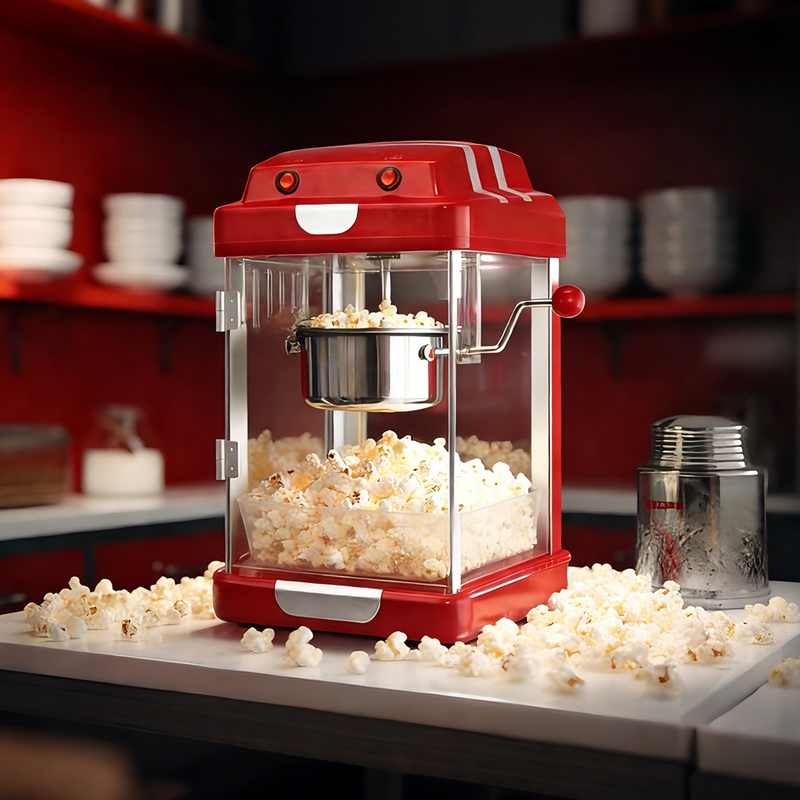
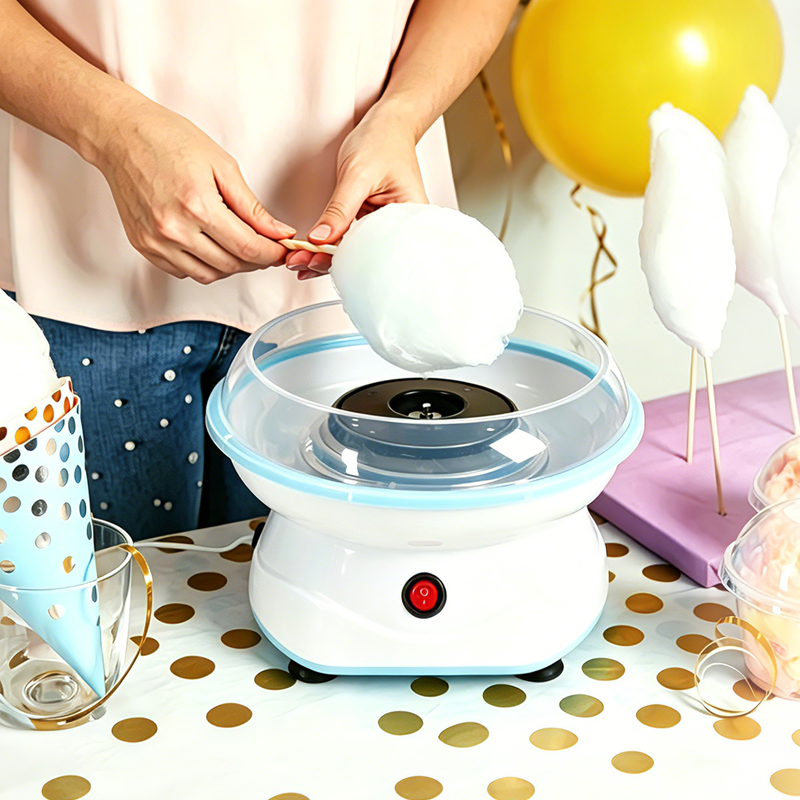
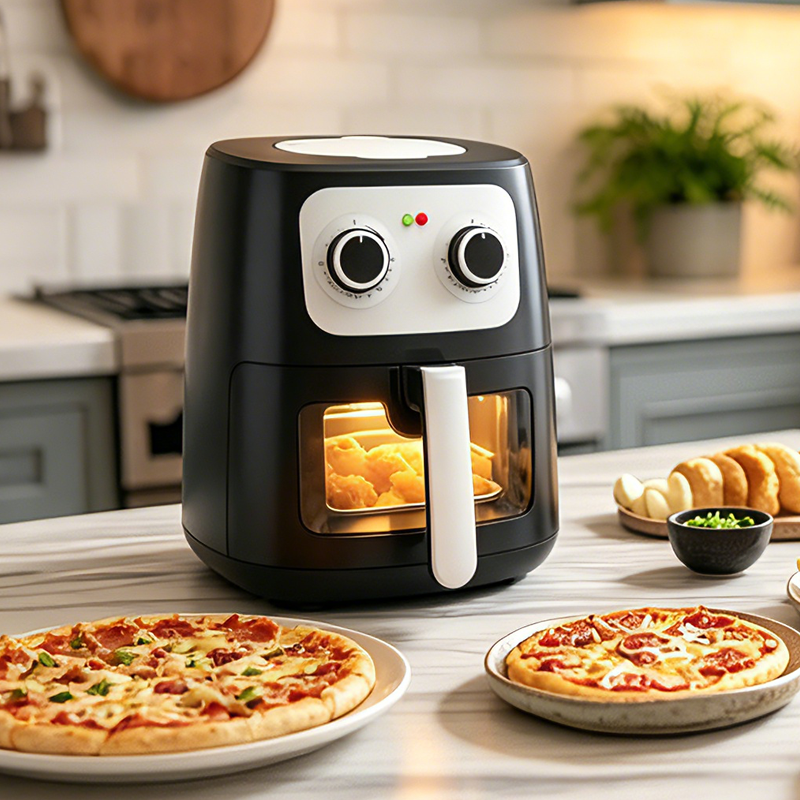
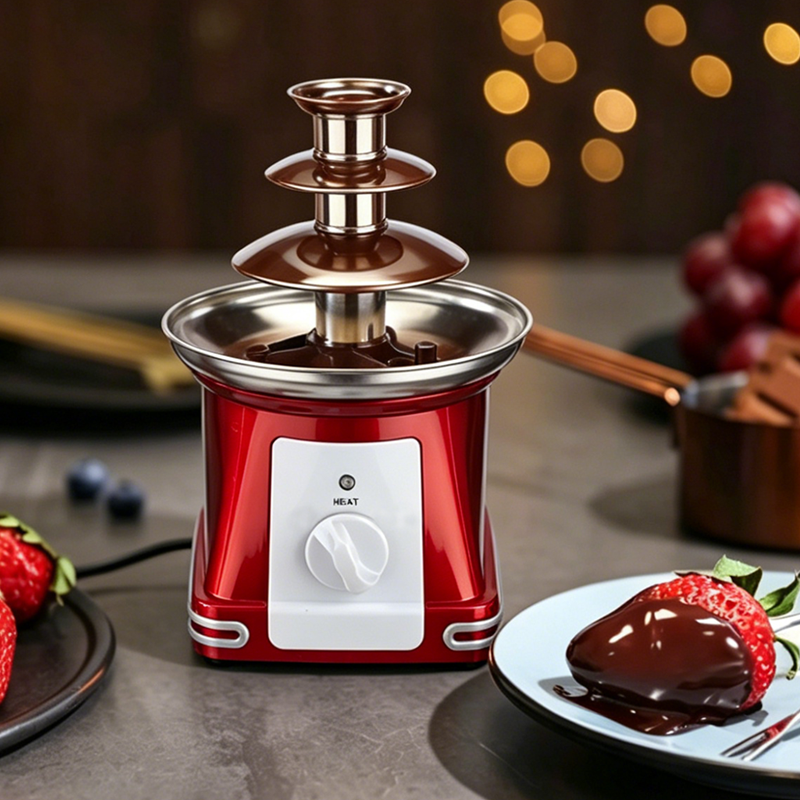
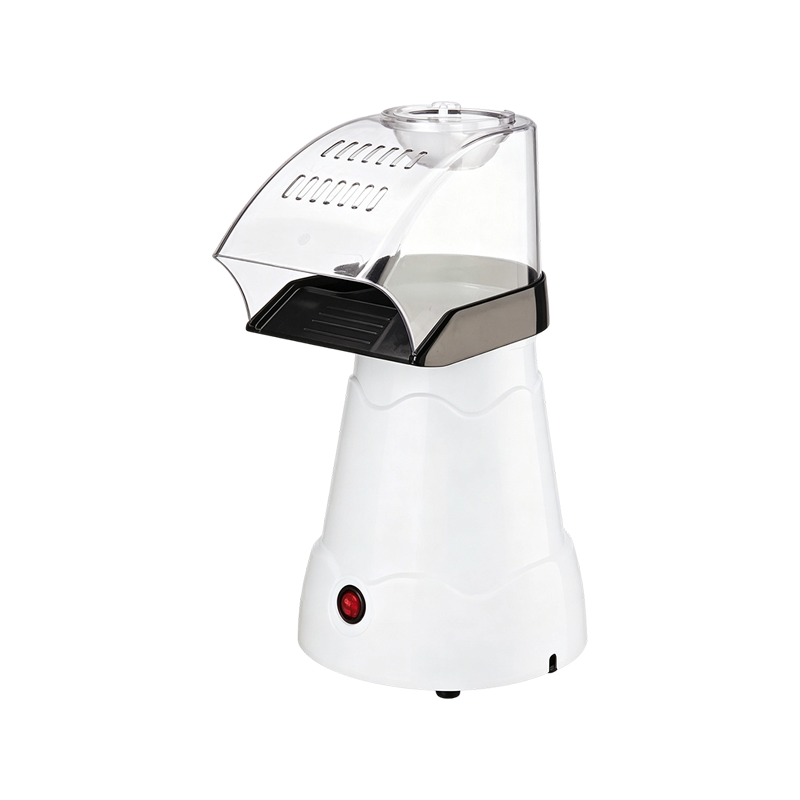
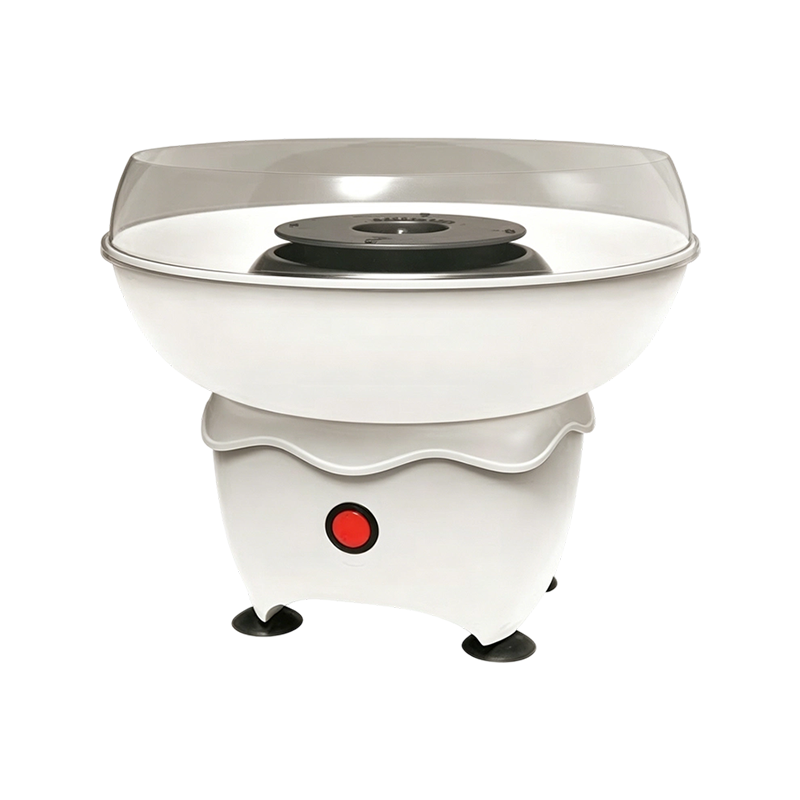
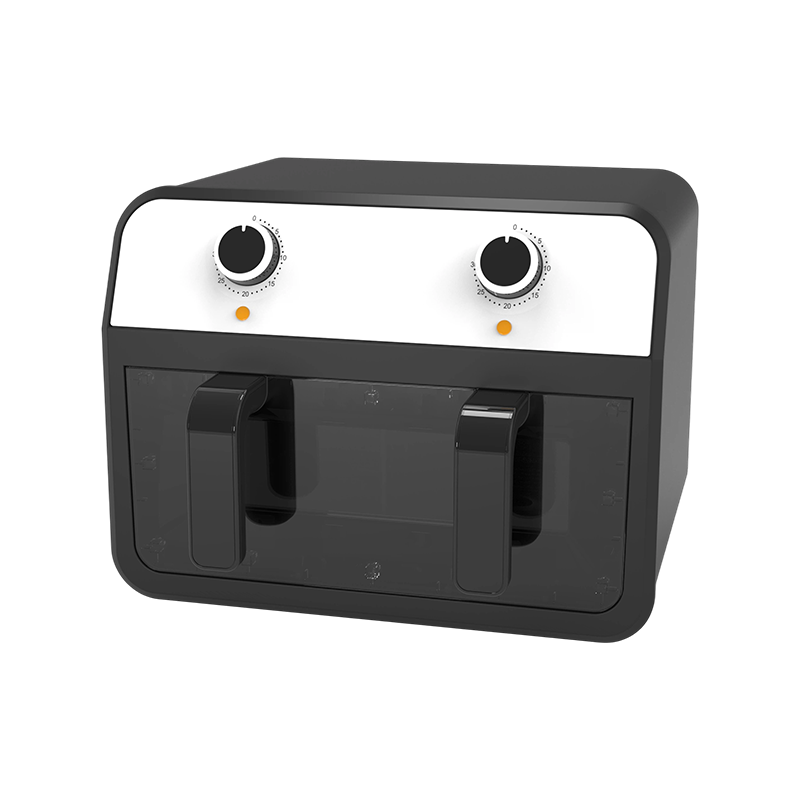
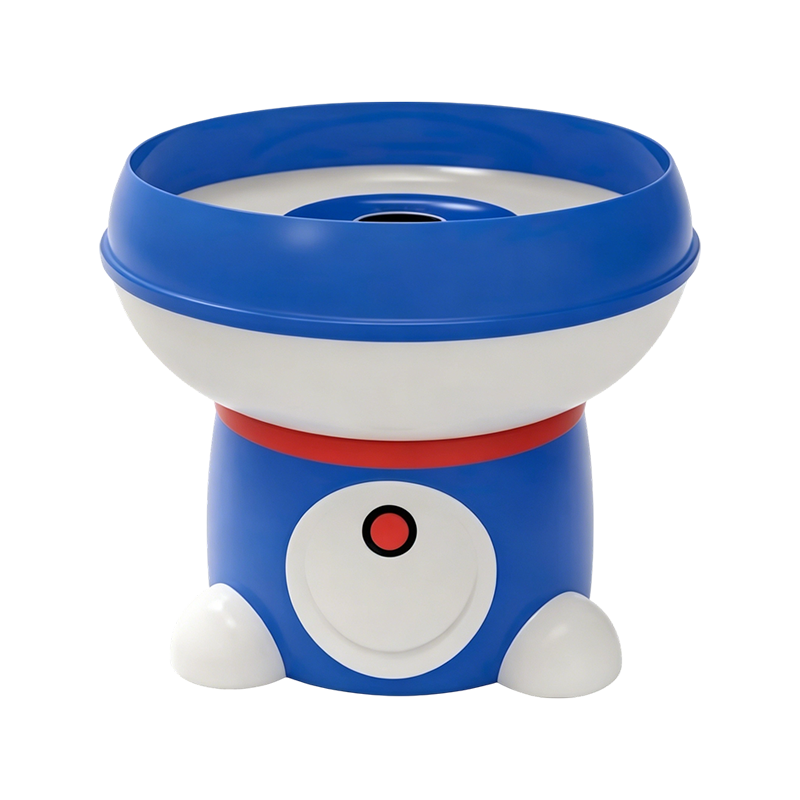
- Product range covering air fryers, popcorn makers, cotton candy machines, chocolate fountains, ice makers, slush machines and milkshake machines.
- Multiple product patents, standardised operating procedures and in-house product testing.
- Custom design support and a technical team that manages new product introduction through to volume production.
- Applications spanning home kitchens, party and entertainment settings, retail channels and food service.
A buyer who asks for a vegetable test, not just a fries test, will learn more in twenty minutes than from a full specification sheet. Ask for broccoli, mushrooms and frozen mixed vegetables cooked in front of you. The batch that browns evenly without a soggy middle is the one worth ordering.
Test the appliance with watery vegetables, not fries: that is where design quality shows.
Frequently asked questions
What temperature should I use for air fryer veggie recipes?
190°C suits most vegetables and is the safest default. Drop to 180°C for thin or sugar-rich items such as parsnip and sliced onion, and to 160°C for kale and other leaves, which go from crisp to charred in under a minute at higher settings.
Do I have to use oil?
You can cook without it, but the result is closer to steamed than roasted, and light coatings tend to stick. Eight to ten millilitres per 300 g is enough to carry heat and flavour without turning the basket greasy.
Why do my vegetables come out soggy?
Almost always moisture plus crowding. Wet surfaces cannot exceed 100°C, so nothing browns, and an overloaded basket traps the steam that is released. Dry the pieces, cut the load by a third, and preheat before adding food.
Can I cook frozen vegetables straight from the freezer?
Yes, and you should not thaw them first. Thawing creates a wet surface before cooking even begins. Toss frozen pieces with oil, keep the layer thin, and allow 12 to 15 minutes at 190°C for a mixed bag.
Can I mix different vegetables in one batch?
Only if they share a similar density. Potatoes and carrots work together; broccoli and mushrooms do not. When in doubt, cook the dense item first, remove it, then cook the watery item in the same basket while the first batch rests.
How do I keep roasted vegetables warm for a party?
Hold them at 70 to 80°C in a covered dish with the lid slightly ajar to release steam, and serve within twenty minutes. A two minute refresh at 200°C restores some crispness if the batch has gone soft.
How long does broccoli take in an air fryer?
Eight to eleven minutes at 190°C for 30 mm florets, with a shake at the halfway point. Cut the stems smaller than the heads so both parts finish at the same time.
Can I prepare the vegetables ahead of time?
Cutting and drying can be done a few hours ahead and stored in a lined container in the refrigerator. Do not add oil or salt until just before cooking, because salt draws water to the surface and oil plus time produces a limp texture.
Most questions come back to the same answer: dry the surface, respect the load limit, and cook by density.
Good air fryer veggie recipes are less about invention than about control. Dry the surface, cut to one size, measure the oil, keep the layer thin, and use the table as a floor rather than a promise. Once those habits are in place, the same basket that produced charred broccoli and watery zucchini will turn out sweet roasted peppers, crisp-edged potatoes and mushrooms that actually brown.
For home cooks, that means dinner in fifteen minutes without a pot to wash. For buyers and commercial kitchens, it means an appliance specification that survives a real menu rather than a demonstration. A manufacturer that tests with vegetables, tunes airflow rather than just wattage, and holds its thermostat within a narrow band will produce machines that make these recipes repeatable, batch after batch.
Related products
Get in Touch
Your email address will not be published.
Required fields are marked *
Required fields are marked *
contact us
Have a project in mind?
Contact with us
Contact with us
We are happy to answer your questions. Please fill out this form
and one of our professional team will get back to you as soon as possible.
and one of our professional team will get back to you as soon as possible.
-
Company AddressNO.212 Qiaotou Road, Qiaotou Town, Cixi City Zhejiang Province
-
Tel:+86-574-63032602/63032605/63032682/63032681
-
E-mail:homease@homease.com.cn
huajun_sam@homease.com.cn
jayden@homease.com.cn
sunny@homease.com.cn
Copyright © Cixi Homease Electrical Products Co., Ltd. All Rights Reserved. China Small Home Appliances Manufacturer Food Equipment Factory
